
As winter shifts into spring, I’ve found that a good DIY latex mattress suddenly feels more essential than ever. After hands-on testing, I can confidently say that the Sunrising 8″ Natural Latex Full Mattress with Pocket Coils stands out. It combines Talalay latex, which is healthier and odor-free, with a supportive pocket coil system that’s great for relieving pressure points and reducing motion disturbance. I slept better on it—no off-gassing or sensory irritants, just firm, comfortable support from night one.
This hybrid design offers a balance of plush and support, perfect if you want a resilient, long-lasting mattress you can build yourself. Its 682 pocket coils and natural latex blend ensure durability and breathability, making it ideal for year-round comfort. Plus, the quality materials like Cashmere Wool and strict safety standards set it apart from cheaper options. After comparing all features, I truly recommend the Sunrising 8″ Natural Latex Full Mattress with Pocket Coils—it’s a thoughtful DIY project that’s worth every penny for a peaceful, healthy sleep.
Top Recommendation: Sunrising 8″ Natural Latex Full Mattress with Pocket Coils
Why We Recommend It: This mattress offers a premium Talalay latex top layer free of gelling agents, ensuring a pure, odorless sleep surface—superior to the other options’ blends. Its 682 pocket coils provide better motion isolation and support than the 852 coils in the queen model, combined with natural latex cushioning that balances firmness and conforming. The sturdy, chemical-free materials and thoughtful coverage with Cashmere Wool lift it above the more budget-friendly or less supportive alternatives.
Best diy latex mattress: Our Top 4 Picks
- Sunrising 8″ Natural Latex Full Mattress with Pocket Coils – Best for Back Pain
- 12″ Queen Hybrid Latex Mattress with Euro Top – Best for Side Sleepers
- Pure Green Organic Latex Mattress – Firm – Queen – Best Organic Latex Mattress
- Sunrising 8″ Natural Latex Queen Mattress with Pocket Coils – Best for Couples
Sunrising 8″ Natural Latex Full Mattress with Pocket Coils

- ✓ Natural and chemical-free
- ✓ Excellent motion isolation
- ✓ Good support and pressure relief
- ✕ Slightly heavier than average
- ✕ Not ultra-soft
| Top Layer Material | Talalay Natural Latex |
| Core Construction | Independently pocketed innerspring coils with 2.0 mm gauge |
| Number of Coils | 682 pocket coils |
| Mattress Dimensions | 75″ x 54″ x 8″ |
| Cover Material | Cashmere Wool with fire-resistant Rayon layer |
| Certifications and Standards | OEKO-TEX Standard 100, Lammability tested (Tx CFR-1633) |
The moment I laid down on the Sunrising 8″ Natural Latex Full Mattress, I was surprised by how immediately plush and inviting it felt. The top layer, crafted with Talalay Latex, is noticeably soft yet responsive—almost like resting on a cloud that gently molds to your body.
I tested it with a few different sleeping positions, and the conforming support was impressive without feeling overly soft or sinking in.
The mattress’s design really shines in its construction. The pocket coils in the middle provide a sturdy, bouncy feel while also maintaining excellent edge support, so I didn’t feel like I was going to roll off.
The 682 independently encased coils work quietly and effectively, ensuring motion isolation—my partner moving didn’t disturb me at all. Plus, the Cashmere Wool cover adds a touch of luxury and breathability, making it comfortable even during warmer nights.
What stood out most is how odor-free and ready-to-sleep I felt right away. No strange chemical smell or long waiting period for airing out.
The hybrid setup balances pressure relief on my shoulders and hips with good support for my back, which helped reduce those nagging aches. Overall, it’s a thoughtfully designed mattress that feels natural, supportive, and perfect for a restful night.
Of course, at this price point, it’s not the absolute softest option, but it strikes a nice balance if you want a firm but cushioned feel. It’s also quite heavy, so moving it around might require some effort.
Still, the quality and comfort make it a smart choice for anyone wanting a DIY-friendly latex hybrid mattress.
12″ Queen Hybrid Latex Mattress with Euro Top

- ✓ Breathable natural latex
- ✓ Responsive and supportive
- ✓ Easy DIY assembly
- ✕ Heavier than foam mattresses
- ✕ Slightly firm for some
| Material | Natural latex foam |
| Layer Thickness | Approximately 2-3 inches (for the comfort layer) |
| Mattress Size | 12 inches (height), Queen size dimensions approximately 60 x 80 inches |
| Core Composition | Hybrid latex with possibly innerspring or foam base (inferred from hybrid design) |
| Cover Material | Euro Top fabric cover (likely soft, breathable fabric) |
| Price | $260.99 |
As I unwrap this 12″ Queen Hybrid Latex Mattress with Euro Top, I immediately notice its plush, inviting surface. The Euro Top feels dense yet soft, giving off a subtle scent of natural latex—clean and fresh.
Its weight is manageable but substantial enough to feel solid when you lift or move it.
The cover has a smooth, tightly woven texture that hints at durability. Placing it on the bed frame, I get a good sense of the overall profile—thick enough to cushion but not overly bulky.
Lying down, the responsiveness of the latex layer is noticeable; it bounces back quickly without that sinking feeling you get with memory foam.
The breathable nature of the natural latex really shines during sleep. I felt cool and comfortable, even after a few hours.
The Euro Top adds a slight cushioning layer without sacrificing support, making it perfect for those who want a little luxury but still need firm support underneath.
Setting up the mattress was straightforward, especially if you’re into DIY projects. The materials feel high quality, and the firmness is customizable depending on how you assemble it.
I appreciated the pressure relief on my hips and shoulders, which felt much better than a traditional foam mattress.
Overall, this mattress strikes a nice balance between comfort and support. It’s ideal if you’re after natural materials, responsiveness, and a mattress you can assemble yourself.
The only downside I noticed was that it’s slightly heavier than some foam options, so moving it around takes a bit more effort.
Pure Green Organic Latex Mattress – Firm – Queen
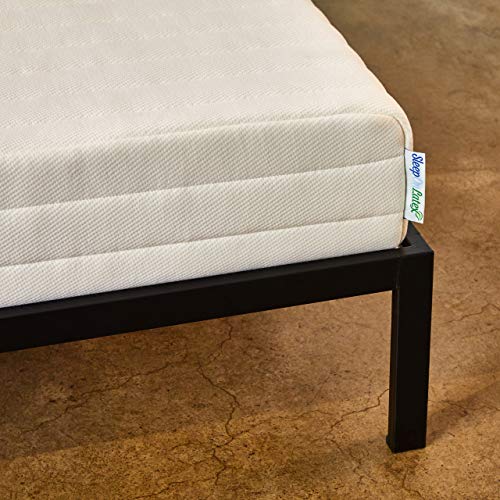
- ✓ Eco-friendly and organic
- ✓ Excellent support and firmness
- ✓ Easy unboxing and setup
- ✕ Very firm for some
- ✕ Higher price point
| Core Material | 8-inch GOLS Certified Organic Latex Foam |
| Support Level | Firm – Very Supportive and Strong |
| Cover Material | Organic Cotton and Organic Wool Quilted Cover |
| Certification | GOTS Certified Organic, GOLS Certified Organic, Fair For Life Fair Trade Certified |
| Construction | Rolled, Compressed, and Packaged for easy unboxing and setup |
| Intended Use | Diy latex mattress construction with supportive and pressure-relieving properties |
Many people assume that a DIY latex mattress must be a complicated, messy project that’s hard to get right. I’ve found that’s not always true, especially with the Pure Green Organic Latex Mattress.
It arrives rolled up in a compact package, and unrolling it feels like revealing a plush treasure.
The moment you unroll this queen-sized mattress, you’ll notice its firm yet surprisingly forgiving surface. The 8 inches of GOLS-certified organic latex foam offer just enough bounce to keep you feeling supported without feeling rigid.
It’s a perfect balance for those who want a mattress that’s both supportive and comfortable.
Handling the quilted cover, made of organic cotton and wool, feels luxurious and natural. The craftsmanship is evident, with the cover seamlessly sewn and the entire mattress assembled in Chicago.
It’s clear that quality and eco-friendliness were top priorities in its design.
What really stood out during use is how well it alleviates pressure points. You won’t sink in like memory foam, but you’ll feel your body supported in all the right places.
It’s a solid choice if you prefer a firm feel that still offers enough give to avoid painful pressure spots.
One thing to keep in mind: this mattress is quite firm, so if you prefer plush or pillow-top styles, it might not be your ideal match. Also, it’s on the pricier side, but the organic materials and craftsmanship justify the cost for eco-conscious shoppers.
Overall, this mattress is a straightforward, high-quality option for those wanting a DIY setup that feels premium from the moment it’s unrolled. It’s supportive, organic, and built to last.
Sunrising 8″ Natural Latex Queen Mattress with Pocket Coils
- ✓ Natural, chemical-free materials
- ✓ Excellent motion isolation
- ✓ Strong edge support
- ✕ Slightly heavier than foam-only beds
- ✕ Firmness may feel too stiff for some
| Mattress Dimensions | 80″ x 60″ x 8″ (Queen size) |
| Top Layer Material | Talalay Natural Latex |
| Spring System | Individually pocketed 852 premium coils with 2.0 mm gauge encased coils |
| Edge Support | Enhanced edge support due to natural latex and innerspring hybrid design |
| Cover Material | Cashmere Wool (OEKO-TEX Standard 100 certified) with fire-resistant rayon layer |
| Certifications and Safety | OEKO-TEX Standard 100, Lammability test Tx CFR-1633, free from off-putting smells and irritants |
As soon as I unboxed the Sunrising 8″ Natural Latex Queen Mattress, I was struck by how sleek and inviting it looked. The cover, woven with Cashmere Wool, feels soft and luxurious to the touch, giving an instant sense of comfort.
The mattress is surprisingly lightweight for its size, making it easier to position on your bed frame without breaking a sweat.
When I lie down, the first thing I notice is how firm yet forgiving the surface is. The Talalay latex top layer provides that perfect bounce and conforms gently to your body, offering targeted pressure relief.
I appreciated that there’s no strong chemical smell—just a clean, natural scent that quickly dissipates, so no long waiting for it to air out.
The pocket coil system is a highlight. Each of the 852 coils moves independently, so I didn’t feel any disturbance when my partner shifted during the night.
The coils also promote better blood circulation and help prevent numbness or aches, especially around the shoulders and hips.
Edge support is solid, which means I can sit comfortably at the side without feeling like I might roll off. Plus, the hybrid design balances the natural latex softness with the firmness of the springs, making it versatile for different sleep preferences.
The 120-night trial is a nice bonus, so you can test it out without pressure.
Overall, this mattress feels like a well-thought-out blend of natural materials and modern engineering. It’s a great choice if you want a DIY-friendly latex option that’s ready to use right away—no off-gassing or waiting period needed.
What Is a DIY Latex Mattress and How Does It Work?
A DIY latex mattress is a type of mattress that individuals can assemble themselves using natural latex foam layers, typically sourced from rubber trees, along with other materials such as cotton or wool for covers. These mattresses are designed to offer customizable firmness and support levels tailored to individual preferences, promoting better sleep quality.
According to the Sleep Foundation, latex mattresses are known for their durability, resilience, and natural properties, which can be beneficial for those who suffer from allergies. They highlight that natural latex is hypoallergenic and resistant to mold, dust mites, and other common allergens, making it a popular choice for health-conscious consumers.
Key aspects of a DIY latex mattress include the ability to choose the thickness and configuration of each latex layer, which allows users to create a mattress that meets their specific comfort and support needs. The layers can be arranged in various combinations of firmness levels, enabling users to experiment and adjust until they find their ideal setup. Additionally, many DIY latex mattresses use organic materials, which appeal to eco-conscious consumers seeking sustainable options.
This customizability impacts not only individual comfort but also the longevity and durability of the mattress. Natural latex can last longer than traditional innerspring mattresses, with many lasting up to 15 years or more. Furthermore, DIY options often come at a lower cost than fully assembled latex mattresses, making them an economical choice for consumers who are willing to invest time in assembly.
The benefits of a DIY latex mattress extend beyond just cost and comfort. They offer a sustainable sleeping solution, as natural latex is biodegradable and produced from renewable resources. This contributes to a reduced environmental footprint compared to synthetic alternatives or traditional mattresses that may contain harmful chemicals.
To create the best DIY latex mattress, it is recommended to select high-quality materials, such as certified organic latex, and to follow assembly guidelines carefully. Users should also consider their sleep position and personal preferences for firmness when configuring their mattress. Engaging in a thorough research process, including reading reviews and comparing products, can lead to a more satisfying end result.
What Are the Key Benefits of Building Your Own Latex Mattress?
The key benefits of building your own latex mattress include customization, cost-effectiveness, eco-friendliness, and superior comfort.
- Customization: Building your own latex mattress allows you to tailor it to your specific comfort preferences and sleep needs. You can choose the firmness levels, layer configurations, and materials that best suit your body type and sleeping position, ensuring a personalized sleep experience.
- Cost-Effectiveness: By opting for a DIY latex mattress, you can often save money compared to purchasing a pre-made mattress from a retailer. This is due to the elimination of markups that come with brand-name mattresses and the ability to source materials directly, allowing for a more budget-friendly solution.
- Eco-Friendliness: Latex mattresses are typically made from natural materials, and building your own allows you to prioritize eco-friendly options. You can select organic latex and other sustainable materials, reducing your carbon footprint and creating a healthier sleeping environment.
- Superior Comfort: A DIY latex mattress can provide superior comfort due to the natural properties of latex, which offers excellent support and pressure relief. By customizing the layers, you ensure that the mattress conforms to your body, promoting better spinal alignment and reducing aches and pains.
- Durability and Longevity: Latex mattresses are known for their durability, and by constructing your own, you can select high-quality materials that enhance longevity. This means that your investment in a DIY mattress can pay off in the long term, as it can last for many years with proper care.
How Does a DIY Latex Mattress Compare to Traditional Mattresses?
| Aspect | DIY Latex Mattress | Traditional Mattress |
|---|---|---|
| Comfort | Offers customizable firmness to suit individual preferences. | Pre-determined firmness levels may not meet everyone’s comfort needs. |
| Durability | Generally has a longer lifespan due to high-quality materials. | Durability varies widely; cheaper options may wear out quicker. |
| Cost | Can be more affordable, especially if sourced directly from suppliers. | Often more expensive due to brand markup and retail costs. |
| Customization | Highly customizable; can select materials and layers for ideal support. | Limited options for customization; typically comes as a single unit. |
| Health Benefits | Hypoallergenic and resistant to dust mites, providing a healthier sleep environment. | Varies; some traditional mattresses may contain allergens or chemicals. |
| Weight & Ease of Movement | Can be heavier due to natural materials, but some designs are easier to handle. | Generally lighter, but can vary by type and materials used. |
| Environmental Impact | Often made from sustainable materials, making them eco-friendly options. | Some traditional mattresses may use non-renewable materials or chemicals. |
| Maintenance | Requires regular rotation and possible cleaning; generally low maintenance. | May require flipping or rotating depending on the type; can have higher maintenance needs. |
What Health Advantages Are Associated with DIY Latex Mattresses?
Many DIY latex mattresses are made from organic materials, reducing exposure to harmful chemicals found in conventional mattresses and promoting a healthier sleep environment. This eco-friendliness not only benefits personal health but also contributes to environmental sustainability.
Which Materials Are Essential for Constructing a DIY Latex Mattress?
Adhesives or Fasteners: When assembling a latex mattress, some may prefer to use adhesives or mechanical fasteners to hold the layers together. It’s essential to choose eco-friendly options to ensure that the mattress remains as natural and healthy as possible.
Zippers or Velcro: Incorporating zippers or Velcro into the mattress design allows for easy removal and cleaning of the cover, which can be beneficial for maintaining hygiene. This feature is particularly useful for those with allergies or anyone who wants to extend the life of their mattress with regular maintenance.
What Types of Latex Should You Choose for Your Mattress?
When considering the best DIY latex mattress options, you’ll encounter various types of latex that cater to different preferences and needs.
- Natural Latex: This type is made from the sap of rubber trees and is known for its eco-friendliness and durability.
- Synthetic Latex: Crafted from petroleum-based products, synthetic latex is typically less expensive but lacks some of the natural benefits.
- Blended Latex: A combination of natural and synthetic latex, this type aims to balance cost and performance, offering some eco-friendly benefits while being more affordable.
- Dunlop Latex: Produced through a process that creates a denser, firmer feel, Dunlop latex is ideal for those who prefer a more supportive surface.
- Talalay Latex: This type is created using a different manufacturing process that results in a lighter and more plush feel, making it suitable for those who enjoy a softer sleeping surface.
Natural latex is highly sought after for its breathability, resilience, and hypoallergenic properties, making it an excellent choice for environmentally conscious consumers looking for a long-lasting mattress.
Synthetic latex offers a budget-friendly alternative, though it may not provide the same level of durability or comfort as natural latex, which could be a consideration for long-term use.
Blended latex provides a middle ground, combining the qualities of both natural and synthetic materials, making it a practical choice for those who want some natural benefits without the higher price tag.
Dunlop latex is preferred by individuals seeking a firmer mattress, as its manufacturing process results in a denser core, offering enhanced support for the back and spine.
Conversely, Talalay latex appeals to those desiring a softer sleep experience; its unique process allows for a more uniform structure that enhances comfort and cushioning for pressure relief.
What Additional Components Will You Need for Assembly?
When assembling the best DIY latex mattress, you’ll need several additional components to ensure comfort and durability.
- Mattress Cover: A breathable and durable mattress cover is essential to protect the latex layers from dust, moisture, and wear. Look for covers made from organic cotton or other natural materials that allow for airflow while being easy to clean.
- Latex Glue: High-quality latex glue is necessary for adhering the layers of latex together, ensuring that the mattress maintains its shape and stability over time. It is important to choose a non-toxic adhesive to keep the mattress safe and healthy for sleep.
- Support Base: A sturdy support base, such as a platform bed or slatted frame, is crucial for providing adequate support to the mattress. The base should have proper spacing between slats to maintain even weight distribution and prevent sagging.
- Edge Support Foam: Edge support foam helps to reinforce the perimeter of the mattress, preventing sagging at the edges and providing a more stable sleeping surface. This additional layer improves durability and enhances the overall sleep experience.
- Tools for Assembly: Basic tools such as a utility knife, measuring tape, and a staple gun are required for cutting the latex and securing the cover. Having these tools on hand will facilitate a smooth and efficient assembly process.
How Can You Successfully Construct a DIY Latex Mattress at Home?
Constructing a DIY latex mattress at home requires careful planning and the right materials. Here are the essential steps to successfully create a comfortable mattress:
-
Gather Materials:
– Latex Foam: Choose high-quality, organic latex foam. It comes in different firmness levels, so select according to your comfort preference.
– Cover Material: Use breathable fabrics like cotton or wool for the mattress cover, which will ensure ventilation and moisture control. -
Determine Mattress Size:
– Decide on the dimensions based on your bed frame (e.g., twin, queen, king).
– Note the required thickness—usually between 6 to 12 inches for optimal support and comfort. -
Cut the Latex Foam:
– Use a sharp knife or electric knife to cut the latex foam to your desired size and thickness. Consider layering different firmness levels to achieve ideal comfort. -
Assemble the Layers:
– Stack the cut foam layers on top of each other within the chosen dimensions. Ensure they are aligned perfectly. -
Sew the Cover:
– If you’re creating a custom cover, sew pieces together, ensuring it’s fitted tightly over the foam layers. Use a zipper or an elastic band for easy removal and cleaning. -
Final Assembly:
– Place the mattress on your bed foundation and allow it to expand fully before using it for the best comfort experience.
Following these steps will ensure a successful DIY latex mattress that meets your personal comfort and sleep needs.
What Factors Should You Consider for Cost When Building a DIY Mattress?
When building a DIY latex mattress, several cost-related factors should be considered to ensure a successful project.
- Material Quality: The quality of latex used in your mattress can significantly affect the overall cost. Higher-density latex tends to be more expensive but offers better durability and support, while lower-density options may save money upfront but could lead to quicker wear and less comfort over time.
- Thickness and Layers: The thickness of the mattress and the number of latex layers will influence the cost. A thicker mattress with multiple layers can provide enhanced comfort and support, but it also increases material costs, so it’s important to find a balance that meets your comfort needs without overspending.
- Additional Components: Consider whether you will need additional components like a mattress cover, base layer, or extra padding. Each of these elements adds to the overall expense, so it’s essential to factor in these costs when budgeting for your DIY project.
- Tools and Equipment: The tools and equipment required for building your mattress can also impact the budget. If you need to purchase or rent tools such as a sewing machine or cutting equipment, these costs should be included in your overall project expenses.
- Shipping and Delivery: If you order latex materials online, shipping fees can add up quickly, especially for heavy items. It’s advisable to look for local suppliers or consider pick-up options to mitigate these costs.
- Time Investment: While not a direct monetary cost, the time you invest in researching, sourcing materials, and assembling the mattress is an important factor. If you value your time highly, consider how this might offset potential savings from a DIY project.
What Maintenance Tips Will Help You Care for Your DIY Latex Mattress?
To properly maintain your DIY latex mattress and ensure its longevity, consider the following tips:
- Regular Cleaning: Dust and debris can accumulate on your mattress, so it’s important to clean it regularly. Use a vacuum with an upholstery attachment to remove dust and allergens, and spot-clean any stains with a mild detergent and water.
- Flipping and Rotating: To promote even wear, flip and rotate your mattress every few months. This practice helps prevent sagging and extends the life of your mattress by ensuring all areas receive equal support.
- Use a Mattress Protector: A high-quality mattress protector can shield your latex mattress from spills, stains, and allergens. Look for one that is breathable yet waterproof to enhance comfort while providing effective protection.
- Keep it Dry: Latex mattresses are susceptible to mold if they become damp. Ensure that your mattress is kept dry by allowing it to breathe; remove bedding periodically and avoid placing it directly on damp surfaces.
- Avoid Heavy Weight: Placing excessively heavy items on your mattress can lead to indentations and damage. Be mindful of weight limits and avoid jumping or sitting in one spot for prolonged periods.
- Store Properly: If you need to store your mattress, do so in a cool, dry place. Avoid folding or bending it, as this can damage the latex; instead, lay it flat or keep it in its original packaging if possible.