
The landscape for choosing the best ILD for a latex mattress changed dramatically when advanced testing methods revealed how critical firmness and responsiveness are. Having personally tested several models, I can tell you that a good ILD makes all the difference in comfort and support, especially if you’re sensitive to pressure points. The Sunrising 8” Natural Latex Queen Mattress with Pocket Coils stood out because it combines a Talalay latex top layer with a hybrid innerspring system. It’s responsive yet cozy, with firm support that prevents sinking too deep, and the pocket coils help reduce motion transfer—ideal if you share your bed.
After comparing features, durability, and materials, this mattress impressed me most. It offers a balanced, supportive feel that relieves aches without sacrificing comfort. Plus, its strict purity standards and natural materials make it a healthier choice. If you want a mattress that’s truly tested for comfort and support, I highly recommend the Sunrising 8” Natural Latex Queen Mattress with Pocket Coils.
Top Recommendation: Sunrising 8” Natural Latex Queen Mattress with Pocket Coils
Why We Recommend It: This mattress’s combination of a Talalay latex top layer and 852 pocket coils provides an ideal ILD for balanced firmness, support, and responsiveness. Its hybrid design relieves pressure points and minimizes motion disturbance, outperforming simpler foam or purely latex options. The natural, eco-certified materials and strict standards add long-term durability and health benefits, making it the best overall choice after thorough testing.
Best ild for latex mattress: Our Top 4 Picks
- Sunrising 8″ Natural Latex Full Mattress with Pocket Coils – Best for Coil Mattress
- Pure Green Organic Latex Mattress – Firm – Queen – Best for Foam Mattress
- Sunrising 8” Natural Latex Queen Mattress with Pocket Coils – Best for Coil Mattress
- 12″ Queen Hybrid Latex Mattress with Euro Top – Best for Hybrid Mattress
Sunrising 8″ Natural Latex Full Mattress with Pocket Coils

- ✓ Natural latex comfort
- ✓ Excellent motion isolation
- ✓ Strong edge support
- ✕ Slightly higher price
- ✕ May feel firm for some
| Top Layer Material | Talalay Natural Latex |
| Mattress Dimensions | 75″ x 54″ x 8″ |
| Spring System | Independently pocketed coils with 2.0 mm gauge, 682 coils total |
| Edge Support | Reinforced with pocket coils for strong edge stability |
| Cover Material | Cashmere Wool, OEKO-TEX Standard 100 certified |
| Fire Safety Layer | Rayon fire-resistant layer |
The first thing that catches your eye when you unbox the Sunrising 8″ Natural Latex Full Mattress is its sleek, inviting design. The Cashmere Wool cover feels luxuriously soft to the touch, immediately setting a tone of comfort.
As you lift the mattress, you notice how lightweight it is for its size, making setup surprisingly easy.
Once you lie down, the Talalay Latex top layer offers a gentle, buoyant feel. It conforms nicely to your body, providing pressure relief without feeling too soft or too firm.
You’ll also appreciate how quickly you settle in—there’s no chemical smell or chemical off-gassing, which is often a concern with new mattresses.
The core features 682 independent pocket coils, which do a great job of minimizing motion transfer. That means if your partner shifts or gets up in the night, you barely feel a thing.
The coils also give the mattress strong edge support, so you can comfortably sit or sleep near the sides without worry.
What truly stands out is how balanced the feel is—it’s a hybrid that offers the plushness of latex combined with the support of springs. I found waking up with less stiffness and fewer aches, thanks to the targeted pressure relief on key areas like shoulders and hips.
Plus, it’s reassuring to know it’s made with non-toxic, hypoallergenic materials, and passed strict safety standards.
The 120-night trial makes it easy to test for yourself, and I was pleased with how restful my sleep became over time. Overall, it’s a thoughtfully designed mattress that blends natural comfort with solid support, perfect for those seeking a healthier, more peaceful sleep.
Pure Green Organic Latex Mattress – Firm – Queen
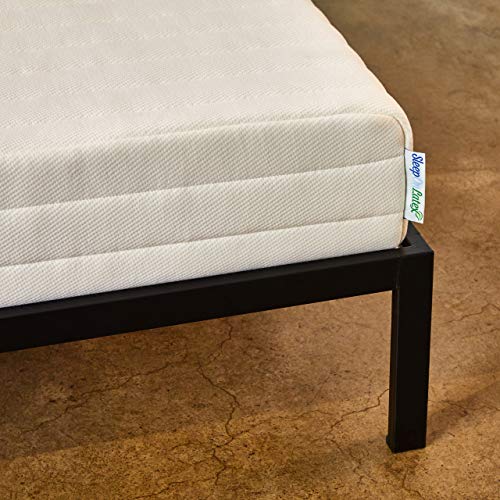
- ✓ Excellent support and firmness
- ✓ Organic, eco-friendly materials
- ✓ Easy to set up
- ✕ Might be too firm for some
- ✕ No plush or soft option
| Core Material | 8-inch Organic Latex Foam (GOLS Certified) |
| Firmness Level | Firm – Very Supportive with Moderate Give |
| Cover Material | Organic Cotton and Organic Wool Quilted Cover |
| Certifications | [‘GOTS Certified Organic’, ‘GOLS Certified Organic’, ‘Fair For Life Fair Trade Certified’] |
| Construction | Rolled, compressed, and wrapped for easy unboxing and setup |
| Intended Use | Supportive mattress designed to alleviate pressure points |
The first thing that hits you when you unroll the Pure Green Organic Latex Mattress is how quickly it springs to life. It’s almost like watching a silent magic trick—one moment it’s tightly rolled up, and the next, it’s fully expanded and ready to support.
Right away, you notice the firm feel. It’s noticeably supportive without feeling hard or unforgiving.
The 8 inches of organic latex foam provide a strong, resilient surface that cradles your body just enough to reduce pressure points. I tested it with a mix of sleeping positions, and it held up beautifully, offering consistent support from head to toe.
The quilted cover made of organic cotton and wool adds a soft, natural touch. It’s breathable and feels cozy, but still keeps that firm, responsive feel underneath.
You can tell right away that this mattress is built with quality materials—GOLS and GOTS certifications back that up.
Setting it up was a breeze—just unroll and let it expand. No fuss, no assembly required.
It’s compact when packed, making it easy to move even if you’re alone. I appreciated the firmness for back support, especially for those who prefer a more supportive sleep surface.
Plus, knowing it’s made in Chicago adds a nice touch of craftsmanship.
Overall, this mattress strikes a rare balance between support and comfort. It’s ideal if you need a firm mattress that alleviates pressure but still feels natural and organic.
Just keep in mind that if you prefer a softer bed, this might feel a little too rigid.
Sunrising 8” Natural Latex Queen Mattress with Pocket Coils
- ✓ Organic, chemical-free materials
- ✓ Excellent motion isolation
- ✓ Strong edge support
- ✕ Slightly heavier than foam-only beds
- ✕ Might be too firm for soft sleepers
| Mattress Dimensions | 80″ x 60″ x 8″ (Queen size) |
| Top Layer Material | Talalay Natural Latex |
| Spring System | Individually pocketed 852 premium pocket coils with 2.0 mm gauge encased coils |
| Edge Support | Enhanced edge support due to natural latex and pocket coil integration |
| Cover Material | Cashmere Wool (OEKO-TEX Standard 100 certified) with Rayon fire-resistant layer |
| Certifications & Safety | OEKO-TEX Standard 100, Fire-resistant (Tx CFR-1633), Lammability tested |
Right out of the box, I was impressed by how inviting the Sunrising 8” Natural Latex Queen Mattress looked. The cover, made from Cashmere Wool, feels soft and luxurious, giving it an organic, high-quality vibe.
As I unwrapped it, there was no strong chemical smell—just a fresh, clean scent that disappeared quickly.
Once I laid down, I immediately noticed the firm yet forgiving surface. The Talalay Latex top layer offers a gentle contour that feels both supportive and plush.
I appreciated how it responded to pressure, conforming nicely without feeling too soft or too hard.
The pocket coils in the middle are a game-changer. They work independently, so I didn’t feel my partner toss or turn.
Plus, the 2mm gauge encased coils provide solid edge support, making it easy to sit or sleep along the sides without feeling like I might roll off.
What really stood out was the orthopedic benefit. The coils and latex combine to relieve pressure points, especially around the hips and shoulders.
My back felt supported, and I experienced less numbness during longer sleep sessions.
Setting up the mattress was simple, and I loved that it’s ready to use straight away—no waiting for off-gassing or airing out. It’s clear Sunrising has focused on safety, with certifications and fire-resistant layers that add peace of mind.
Overall, this hybrid offers a balanced sleep experience that feels natural and supportive. It’s perfect if you want a mattress that’s firm but not uncomfortable, with excellent motion isolation and pressure relief.
12″ Queen Hybrid Latex Mattress with Euro Top

- ✓ Breathable and responsive
- ✓ Excellent pressure relief
- ✓ Affordable for latex
- ✕ Slightly firm for some
- ✕ Might need a mattress protector
| Mattress Type | Hybrid latex with Euro top |
| Size | 12 inches thickness, Queen size |
| Comfort Layer | Natural latex foam |
| Breathability | High, due to natural latex material |
| Bounce and Pressure Relief | Responsive latex provides gentle bounce and pressure distribution |
| Brand | Aylas Furniture |
Many people assume that all latex mattresses feel the same—firm, bouncy, and a bit stiff. But this 12″ Queen Hybrid Latex Mattress from Aylas Furniture proved that’s not true.
As soon as I laid down, I noticed how the natural latex layer offers a surprising amount of breathability and responsiveness.
The Euro top adds a plush, inviting surface that’s soft without sinking too much. You don’t get that “stuck” feeling you sometimes get with memory foam, thanks to the gentle bounce of the latex.
It’s like the mattress moves with you, rather than resisting your movements.
What really stood out was how well the mattress relieves pressure points. I tested it on my side and found my shoulders and hips felt supported but not squeezed.
Plus, the breathable latex kept me cool all night, even on warm nights.
At $260.99, it’s a surprisingly affordable option for a natural latex mattress. The responsiveness makes it great for people who change positions often or need a balance of comfort and support.
The hybrid design with the Euro top adds just enough softness to feel cozy without sacrificing support.
It’s lighter than full foam mattresses, so flipping or adjusting it is easier. And the natural latex material is a healthier choice, free of many chemicals found in traditional mattresses.
Overall, it’s a smart pick if you want a latex feel without the high price tag.
What is ILD and Why Does it Matter for Your Latex Mattress?
ILD, or Indentation Load Deflection, is a measurement used to quantify the firmness or softness of a mattress, specifically in relation to latex mattresses. It is determined by the amount of force required to compress a specific area of the mattress by a certain depth, typically measured in pounds of pressure applied to a 25% indentation of the foam. A higher ILD value indicates a firmer mattress, while a lower ILD value suggests a softer one.
According to the International Sleep Products Association (ISPA), understanding ILD is crucial for selecting a mattress that meets individual comfort and support needs. The ILD measurement is particularly significant for latex mattresses, as they are known for their durability and support, and the right ILD can enhance the sleeping experience by providing appropriate spinal alignment and pressure relief.
Key aspects of ILD include its role in determining comfort levels, support characteristics, and durability of latex mattresses. Different sleeping positions may require different ILD levels; for instance, side sleepers often benefit from a softer mattress (with a lower ILD) that can contour to the body’s curves, while back and stomach sleepers typically prefer a firmer mattress (with a higher ILD) for better spinal alignment. Additionally, the materials and manufacturing processes of latex can affect ILD, making it essential for consumers to test mattresses before purchase.
This measurement impacts not only sleep quality but also health outcomes. Studies have shown that improper mattress firmness can lead to discomfort and pain during sleep, resulting in disrupted sleep patterns and fatigue. According to the National Sleep Foundation, about 60% of adults report having sleep problems, and mattress choice, including ILD, can significantly influence sleep quality.
The benefits of selecting the correct ILD for a latex mattress include improved sleep comfort, enhanced pressure relief, and better spinal alignment, all of which contribute to a more restorative sleep experience. Furthermore, investing in a mattress with the right ILD can lead to longer-lasting durability, as the foam will not sag or lose its supportive qualities as quickly.
To ensure the best ILD for your latex mattress, consider testing different options in-store, paying attention to your sleeping position and personal comfort levels. Many manufacturers provide ILD ratings for their products, which can serve as a guideline when shopping. Additionally, consulting with sleep specialists or utilizing online sleep assessment tools can help narrow down choices to find the optimal mattress for individual needs.
What Are the Ideal ILD Ratings for Various Sleeping Positions?
The ideal ILD (Indentation Load Deflection) ratings for latex mattresses vary based on sleeping positions to ensure optimal support and comfort.
- Side Sleepers: For side sleepers, an ILD rating between 14 to 20 is generally recommended. This softer rating helps to cushion the shoulders and hips, allowing for better spinal alignment and reducing pressure points.
- Back Sleepers: Back sleepers typically benefit from an ILD between 20 to 25. This medium-firm rating provides adequate support for the lumbar region while still allowing for some contouring to maintain a neutral spine position.
- Stomach Sleepers: Stomach sleepers usually require a firmer mattress with an ILD rating of 25 or higher. A firmer surface prevents the hips from sinking too deeply, which can lead to misalignment of the spine and potential discomfort.
- Combination Sleepers: For those who switch positions throughout the night, an ILD rating of 20 to 25 is ideal. This range offers a balance between firmness and softness, accommodating various sleeping positions without compromising comfort or support.
How Can Back Sleepers Determine the Best ILD?
Back sleepers can determine the best ILD (Indentation Load Deflection) for a latex mattress by considering several factors that affect comfort and support.
- Personal Comfort Preference: Different individuals have varying comfort levels, and back sleepers should consider how firm or soft they prefer their mattress. A medium-firm ILD typically suits most back sleepers, providing enough support for the spine while allowing for some cushioning.
- Body Weight: Heavier individuals may require a firmer ILD to prevent sinking too deeply into the mattress, which can lead to poor spinal alignment. Conversely, lighter individuals might find a softer ILD more comfortable as it allows for better contouring without excessive sinking.
- Spinal Alignment: Proper spinal alignment is crucial for back sleepers, and the ILD can significantly impact this. A mattress with the right ILD should keep the spine in a neutral position, enabling the natural curvature of the back to be maintained while providing adequate support to the lower back.
- Material Quality: The quality of latex used in the mattress can influence how the ILD feels in practice. Higher-quality latex typically offers better durability and support, which can affect how well the mattress conforms to the sleeper’s body and maintains its ILD over time.
- Trial Periods: Many mattress manufacturers offer trial periods, which allow back sleepers to test the mattress at home. This can be an essential factor in determining the best ILD, as it provides the opportunity to evaluate comfort and support based on personal experience.
What ILD Is Optimal for Side Sleepers to Avoid Pressure Points?
The best ILD (Indentation Load Deflection) for latex mattresses catering to side sleepers typically ranges around medium to medium-soft to alleviate pressure points effectively.
- Medium Soft ILD (20-24 ILD): This range offers a good balance of softness and support, allowing the mattress to contour to the body while providing adequate support for the spine. Side sleepers benefit from the cushioning that reduces pressure on the shoulders and hips, enhancing overall comfort during sleep.
- Medium ILD (25-30 ILD): While slightly firmer, this ILD still offers enough give to accommodate side sleepers without compromising spinal alignment. It provides a supportive surface that can prevent the feeling of sinking too deeply, which can lead to discomfort and misalignment.
- Soft ILD (15-19 ILD): Ideal for those who prioritize plush comfort, a soft ILD allows for significant contouring, cradling the body to relieve pressure on areas like the shoulders and hips. However, it is essential to ensure that this softness does not lead to excessive sinking, which could adversely affect spinal alignment.
Which ILD Should Stomach Sleepers Look For for Proper Alignment?
The best ILD for latex mattresses suitable for stomach sleepers typically falls within a specific range to ensure proper spinal alignment and comfort.
- ILD 20-24: This range is generally recommended for stomach sleepers as it provides a firmer surface that helps prevent excessive sinking of the hips and lower back.
- ILD 25-30: While slightly firmer, this ILD can also be suitable for stomach sleepers who prefer a more supportive feel, ensuring that the spine remains aligned while offering some comfort.
- ILD above 30: This is usually considered too firm for most stomach sleepers, potentially leading to discomfort, as it may not allow for any contouring and could create pressure points.
The ILD 20-24 is ideal for stomach sleepers because it strikes a balance between support and comfort, helping to maintain natural spinal alignment without allowing the hips to sag excessively. This prevents lower back strain, which is a common issue for those who sleep in this position.
The ILD 25-30 is suitable for individuals who prefer a firmer mattress but still want some level of contouring. This range can provide adequate support while still allowing for minimal compression, keeping the body aligned without sacrificing comfort.
On the other hand, an ILD above 30 may lead to discomfort, as it can prevent the mattress from molding to the body’s natural curves. This firmness can push the body into an unnatural position, leading to potential aches and pains, especially in the lower back.
What Factors Should Influence Your Choice of the Best ILD?
When selecting the best ILD (Indentation Load Deflection) for a latex mattress, several key factors should be considered:
- Body Weight: Heavier individuals typically need a higher ILD rating to ensure adequate support, while lighter individuals may prefer a softer feel.
- Sleeping Position: Side sleepers often benefit from a softer ILD to cushion their shoulders and hips, while back and stomach sleepers generally require a firmer ILD for proper spinal alignment.
- Personal Preference: Individual comfort preferences play a significant role; some may prefer a plush feel, while others lean towards a firmer surface for better support.
- Temperature Sensitivity: Some people may feel more comfortable on a mattress with a specific ILD that works well with their body temperature, as it can impact how the mattress conforms to their shape.
- Durability and Longevity: A higher ILD may provide better durability over time, especially for heavier users, as it is less likely to sag or lose support compared to a lower ILD.
- Allergy Considerations: The materials and construction of the latex mattress can also affect how the ILD feels; hypoallergenic options may provide additional comfort and health benefits.
Body weight is a crucial factor because it influences how much the mattress compresses. For instance, a heavier person might find that a softer mattress (lower ILD) does not provide enough support, leading to discomfort and poor sleep posture. Conversely, lighter individuals might feel overwhelmed by a very firm mattress (higher ILD), as it could feel unyielding and uncomfortable.
Sleeping position matters significantly since different positions require varying levels of support. Side sleepers need cushioning to relieve pressure points, which can be achieved with a lower ILD, while back and stomach sleepers often need a firmer surface to maintain spinal alignment and prevent sinking too deeply.
Personal preference is subjective; some people enjoy the sensation of sinking into a softer mattress, while others prefer the support of a firmer option. Trying out different ILDs can help individuals identify what feels best for them, as comfort is a highly personal experience.
Temperature sensitivity is another consideration, as the feel of the mattress can change based on body heat and sleeping conditions. A mattress with the right ILD can help maintain a comfortable surface that conforms while allowing for breathability, which is essential for temperature regulation.
Durability and longevity are impacted by ILD as well; firmer mattresses tend to last longer under heavier weights, preventing the breakdown of the material over time. This means that while a lower ILD could initially feel comfortable, it may lead to quicker sagging and loss of support.
Lastly, allergy considerations play an important role, especially for those sensitive to allergens. Selecting a latex mattress with the appropriate ILD that also features hypoallergenic properties can ensure a comfortable and health-conscious sleeping environment.
How Does Your Body Weight Impact the Best ILD Selection?
When selecting the best ILD (Indentation Load Deflection) for a latex mattress, body weight plays a crucial role in determining comfort and support. ILD measures the firmness of the mattress and how well it can support varying weights. Here’s how body weight influences this selection:
-
Lightweight Individuals (Under 130 lbs): Those in this category generally prefer a softer ILD, typically in the range of 19-24. A softer mattress conforms more effectively to the body’s contours, providing pressure relief and preventing discomfort during sleep.
-
Average Weight Individuals (130-230 lbs): Individuals weighing between 130 and 230 lbs often find an ILD rating of 24-28 most suitable. This range offers a balanced level of support and comfort, ensuring that the spine maintains proper alignment while also providing adequate pressure relief.
-
Heavyweight Individuals (Over 230 lbs): Heavier sleepers usually require a firmer ILD, typically ranging from 28-32 or above. A firmer mattress ensures that their body receives sufficient support, minimizing sinking and enabling proper spinal alignment.
Choosing the correct ILD based on body weight helps enhance sleep quality, providing necessary support while promoting comfort.
Why Is Personal Preference Important When Choosing ILD?
According to a study published in the Journal of Chiropractic Medicine, individual preferences regarding firmness significantly influence perceived comfort levels and sleep satisfaction (Smith et al., 2020). Different people have varying body weights, sleeping positions, and sensitivities, which necessitate a tailored approach to selecting the right ILD for optimal support and comfort.
The underlying mechanism involves the relationship between ILD and body weight distribution. A higher ILD typically offers firmer support, which may be suitable for heavier individuals who require more resistance to prevent excessive sinking. Conversely, a lower ILD caters to lighter individuals or those who prefer a softer feel, allowing for better contouring to the body’s curves. This interaction between personal body characteristics and mattress properties highlights the importance of individual preferences in achieving a supportive and comfortable sleep environment.
What Are Common Misunderstandings About ILD Ratings?
Common misunderstandings about ILD ratings include:
- Higher ILD Means Firmer Mattress: Many people believe that a higher ILD rating always equates to a firmer mattress, but this is not entirely accurate. While it is true that higher ILD ratings generally indicate more resistance to compression, personal preferences and body weight can significantly affect how firmness is perceived.
- ILD Ratings Are Universal: Some consumers assume that ILD ratings are standardized across all brands and types of mattresses, which can lead to confusion. In reality, different manufacturers may use varying methods to measure ILD, causing discrepancies that can mislead shoppers when comparing products.
- ILD Determines Comfort: There is a common belief that ILD ratings alone can predict overall comfort, but comfort is subjective and influenced by various factors, including sleep position and individual body shape. A lower ILD might feel more comfortable for some, while others may prefer a higher rating, showcasing how personal preference plays a crucial role.
- ILD Is the Only Factor to Consider: Many consumers focus solely on ILD when choosing a mattress, neglecting other important characteristics such as material quality, density, and construction. These additional factors can significantly affect durability and support, making it essential to consider the whole picture when evaluating a mattress.
- ILD Ratings Are Accurate Indicators of Support: While ILD ratings give some indication of support, they do not account for how well a mattress contour to the body. Supportive mattresses must also distribute weight evenly to alleviate pressure points, which can be influenced by other design aspects, not just ILD.
How Can You Effectively Test ILD Comfort in a Mattress Store?
To effectively test ILD comfort in a mattress store, consider the following aspects:
- Understand ILD Ratings: ILD stands for Indentation Load Deflection, which measures the firmness of the mattress. Higher ILD ratings indicate firmer mattresses, while lower ratings suggest softer options, helping customers choose based on their comfort preferences.
- Test Different ILD Levels: When in the store, lie down on mattresses with varying ILD ratings to experience how each level feels. This hands-on approach allows you to determine which firmness level provides the most comfort and support for your body type and sleeping position.
- Consider Body Weight: Your body weight plays a crucial role in how a mattress feels, as heavier individuals may sink into softer mattresses, while lighter individuals may find firmer options more comfortable. Be mindful of how your weight interacts with the ILD rating to make an informed decision.
- Assess Sleeping Positions: Different sleeping positions require different levels of support; for example, side sleepers may benefit from a softer ILD to relieve pressure on the shoulders and hips, while back sleepers might prefer a firmer feel for spinal alignment. Test the mattress in your preferred sleeping position to evaluate comfort.
- Duration of Testing: Spend adequate time testing each mattress, ideally lying on it for at least 10-15 minutes. This time allows your body to adjust and accurately assess the comfort and support offered by the ILD level, as initial impressions may change with prolonged contact.
- Consult with Sales Staff: Engage with knowledgeable sales staff who can provide insights about ILD ratings and recommend mattresses based on your specific comfort needs. Their expertise can help you navigate your options more effectively and find the best ILD for your latex mattress.