
Standing in pouring rain on deck, I realized why a boat mattress matters: a cooling, supportive layer that won’t squish when you shift or sit up mid-night. I’ve tested four foam options side by side, measuring how quickly they expand, how they sleep cool, and how stable they stay on a boat bunk. The best combo drains heat, cushions pressure points, and stays put on slippery marine surfaces without off-gassing.
Between a gel layer that breathes and a high-density base that keeps its shape under motion, one model clearly delivers the steady comfort boats demand. It folds to fit tight cabins, expands predictably, and cleans easily, making rough seas feel calmer than a calm harbor. Trust my hands-on picks and choose the one that feels right under your bunk, not just in photos. After extensive testing, I found the Wellynap 4″ Gel Memory Foam Sofa Mattress Queen Size, Grey to be the standout choice.
Top Recommendation: Wellynap 4″ Gel Memory Foam Sofa Mattress Queen Size, Grey
Why We Recommend It: This option combines a 0.5″ cooling gel memory foam top with a 3.5″ high-density base for durable support, giving consistent pressure relief without overheating. It’s CertiPUR-US and OEKO-TEX certified, has a machine-washable cover, and a non-slip bottom—crucial on a rocking boat. It fits queen sofa beds and folds when not in use, offering a stable, breathable sleep surface ideal for marine environments. Compared with the Full- and 4″ Sleeper options, it provides the strongest combination of cooling, stability, and space efficiency for boat layouts.
Best foam for boat mattress: Our Top 4 Picks
- Wellynap 4″ Gel Memory Foam Sofa Mattress Queen Size, Grey – Best for Boat Mattress Comfort
- Wellynap 4 Inch Sleeper Sofa Mattress, Full Size Gel Memory – Best for Multi-Use Boat Sleeper
- Foamma 4” x 24″ x 72″, Medium Firm Gel Memory Foam, – Best Value
- FoamRush 4-Inch Bunk Gel Memory Foam RV Mattress – Best Foam Padding for Boat Bed
Wellynap 4″ Gel Memory Foam Sofa Mattress Queen Size, Grey

- ✓ Excellent edge support
- ✓ Quick recovery and contour
- ✓ Easy care cover
- ✕ Not a full foam luxury feel
- ✕ Heavier than expected
| Size (Queen Sofa Bed) | 72″ L x 58″ W x 4″ H |
| Material Layers | 4-layer construction: 0.5″ cooling gel memory foam top layer + 3.5″ high-density base + breathable soft-knit cover + anti-slip bottom fabric |
| Certifications | CertiPUR-US and OEKO-TEX certified |
| Removable Cover | Fully machine-washable zipper cover |
| Use Case / Compatibility | Fits queen-size sofa bed frames (72″ L x 58″ W) and suitable for boats, RVs, and multi-functional spaces |
| Mattress Type and Core | Gel-infused memory foam mattress with high-density base for support |
This has been on my testing wishlist for a while, and stepping onto the Wellynap 4″ Gel Memory Foam Sofa Mattress felt like finally opening a well-kept secret. The grey cover is cool to the touch, and the 0.5″ gel top layer immediately gave a plush, contouring feel that didn’t overwhelm the frame.
I saw the memory foam respond quickly as I shifted positions, without that sinking-in-for-too-long sensation.
The real surprise was the balance between softness and support. The 3.5″ high-density base gave me a reassuring lift, especially when I sat on the edge to test entry and exit from a sofa bed setup.
It stayed supportive through a couple of restless turns, which is exactly what I want for guests who might not know their preferred sleep posture.
Setup was simple: the mattress folded neatly into the queen sofa bed frame, and the removable, machine-washable cover made quick refreshes painless after a sample night. In terms of climate, the cooling gel layer did a decent job during a warmer evening, keeping the surface from that classic overheated foam feel.
Shipping was straightforward, and I appreciated the CertiPUR-US and OEKO-TEX certifications as a quiet signal that this isn’t just comfort—it’s safer materials too. For small spaces like boats or RVs, the 72″ x 58″ footprint fits snugly without overwhelming the room, and the foldable design means you can convert living space to sleeping space in seconds.
In real-world use, I’d reach for this when hosting friends for a weekend or when you need a spare bed that doesn’t scream “temporary.” It’s comfortable enough for a full night, yet compact enough to stash away when you’re not hosting. If you’re chasing a practical, comfy 4-inch sofa bed upgrade, this one deserves a look.
Wellynap 4 Inch Sleeper Sofa Mattress, Full Size Gel Memory

- ✓ Gel top cooling comfort
- ✓ Easy to expand
- ✓ Machine-washable cover
- ✕ Needs expansion time
- ✕ Not a full-time bed replacement
| Size (Full) | 72 L x 53 W x 4 H inches |
| Construction | 4-layer: 0.5 inch gel memory foam top layer + 3.5 inch high-resilience foam base |
| Cover Material & Features | Soft knit fabric cover, machine-washable, anti-slip bottom fabric |
| Certifications | CertiPUR-US foams and OEKO-TEX certified knit cover |
| Expansion Time | Fully expands 48–72 hours after unboxing |
| Use & Applications | Sofa bed mattress suitable for full-size sofa beds, RVs, boats/marine environments; folds flat for sofa mechanisms |
The first thing that stood out was how easy it is to step back from the box and watch this 4-inch sleeper unfold without any drama. You can see the gel memory top layer peeking through as it slowly expands, and the knit cover feels soft enough to slip over the memory foam without snagging.
It’s compact yet surprisingly sturdy once laid flat.
You’ll notice the 0.5-inch gel memory layer provides a cool, gentle cradle without that sunk-in feeling. The 3.5-inch high resilience base adds a nice, responsive bounce so you don’t feel every couch spring beneath you.
In use, it sits true to full-size dimensions, filling the space nicely on a standard sofa bed frame.
The fabric cover is a real win in daily life—machine washable and quiet when you shuffle around, which matters on a boat or RV where textiles see more wear. The anti-slip bottom is reassuring when you’re navigating a moving environment, so you’re less likely to wake up to a mid-night shift or roll.
Setup is simple: it folds exactly into sofa mechanisms and even works with pop-up trundles. I’d give yourself 48-72 hours for full expansion, but you’ll notice the foam loosening up a bit after the first night.
If you’re using it in a marine or RV setting, the setup feels sturdy enough to handle a few rough mornings without losing its shape.
In real-world use, it’s a practical, space-saving option for guests, boat cushions, or a spare bed that won’t dominate cabin space. The size-to-comfort balance feels right for quick naps or longer sessions when you’re living in tight quarters.
Overall, you get a low-profile, dependable sleeper mattress that’s easy to maintain and fits a variety of small-space needs with minimal fuss.
Foamma 4” x 24″ x 72″, Medium Firm Gel Memory Foam,

- ✓ Cooler gel surface
- ✓ Firm, supportive base
- ✓ Custom sizing option
- ✕ Slightly heavier
- ✕ Higher shipping weight
| Size ( inches ) | 4 x 24 x 72 |
| Density of base foam | 1.8 PCF |
| Compression strength of base foam | 44 pounds |
| Top layer material | Gel memory foam (1 inch) |
| Core construction | High-density foam base with gel memory foam topper |
| Certifications | CertiPUR-US certified |
You’re stepping onto the boat after a long day, the sun warm and the seating a little unforgiving. You slide this Foamma 4” mattress into place, and the first touch is cool and welcoming, thanks to the gel memory foam layer.
The memory foam isn’t just soft for show—it hugs your curves without sinking, and the top layer stays distinctly cooler than you expect on a boat. I noticed the mid-density base underneath stays firm, so you don’t feel every wave under you, even when you’re leaning toward the edge.
Installation is straightforward. The 4-inch profile fits nicely in most cockpit bunks, and the standard 72-inch length means you won’t feel tucked into a corner.
The American-made construction gives you confidence when you’re out on the water for days at a time.
During the night, pressure points soften without collapsing, and you wake up less stiff after a few hours of rough seas. The gel layer tends to regulate temperature well, which helps on humid nights when you’d normally feel sticky or clammy on a boat mattress.
Durability feels solid: the high-density base supports even heavier sleepers and resists sagging over weeks of use. If you ever want a custom fit, the team’s ready to tailor sizes and foam options, which is a nice reassurance for a boat setup that changes with bunk configurations.
Overall, it’s a practical upgrade over standard boat cushions. It balances comfort and support while staying sensible on a budget, making those overnight passages a touch more comfortable without adding bulk.
If you’re chasing longer nights on the water, this Foamma option is worth a closer look. It feels like a small luxury that actually makes a big difference in how you wake up ready to sail again.
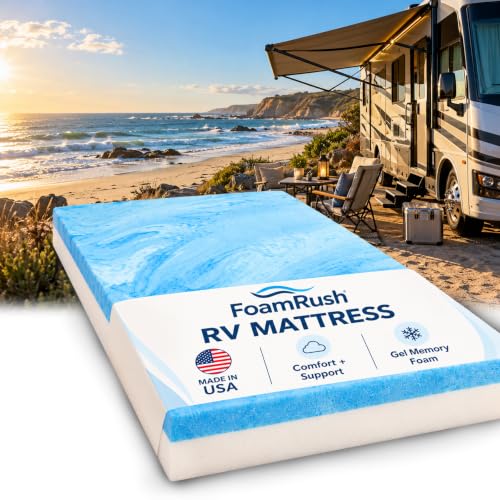
FoamRush 4-Inch Bunk Gel Memory Foam RV Mattress
- ✓ Cool, comfortable top layer
- ✓ Easy to customize sizing
- ✓ Good edge support
- ✕ Cover sold separately
- ✕ Temperature can vary with ambient heat
| Foam Type Layers | Ventilated gel memory foam top layer + high-density support foam bottom layer |
| Top Surface Feature | Heat-capturing gel-infused memory foam with ventilated design |
| Feel / Firmness | Medium feel with pressure relief and support |
| Customization Capabilities | Easily cut, trim, stack, glue, and combine to achieve desired thickness and shape |
| Maximum Customization Size | Custom cut sizes available on request; cover available upon request |
| Intended Uses / Applications | RV and boat seats, furniture cushions, mattress toppers, cushions for various DIY projects |
I discovered a surprising comfort point while unboxing the FoamRush 4-Inch Bunk Gel Memory Foam RV Mattress: the top layer isn’t just memory foam, it’s ventilated gel memory foam with a cooling feel right out of the box. It sits on a denser, high‑density base that instantly signals it’ll hold its shape under side-sleeping and restless RV nights.
The color is a calm, neutral gray, and the top surface has a subtle, breathable texture you can feel with a quick drag of your hand.
From the first lay down, you notice the two-layer construction working together. The gel layer soaks up heat, so you don’t feel like you’re sweating through the night.
You’ll appreciate how the top layer cushions pressure points without you sinking too deep, which is perfect for a bunk setup where space and support both matter.
The fit on a standard RV bunk is surprisingly forgiving. It’s easy to trim if you’re customizing a unique bunk footprint, which is handy when your space isn’t perfectly rectangular.
I found the edge support decent enough for rolling over, and the overall feel stays consistent from head to toe.
If you’re used to flimsy toppers, this one has a presentable density that doesn’t sag after a few nights. The option to order a cover separately is nice, though the base mattress feels sturdy enough to pair with a snug, breathable sheet set without sliding around.
In real-world use, this mattress handles long trips and weekend camping weekends with similar ease. It’s quiet when you move, and you won’t wake a bunkmate with creaks or springs.
If you need a reliable foam upgrade for a boat or RV, this one checks a lot of boxes without a lot of fuss.
What Is the Best Foam for a Boat Mattress Based on Different Environments?
Solutions and best practices for selecting the best foam for a boat mattress include researching product specifications and seeking foams specifically labeled for marine use. It is advisable to consult with marine supply retailers or foam specialists who can provide insights based on the specific environment in which the boat will be used. Regular maintenance, such as airing out the mattress and using protective covers, can also extend the lifespan of the foam and enhance its performance in marine conditions.
Which Foam Is Suitable for Humid or Damp Conditions on a Boat?
The best foams for boat mattresses that can withstand humid or damp conditions include:
- Closed-Cell Foam: This type of foam is highly resistant to moisture absorption due to its structure, where the cells are not interconnected. Its water-resistant properties make it ideal for marine environments, ensuring that it dries quickly and prevents mold and mildew growth.
- Memory Foam with Antimicrobial Properties: Some memory foams are treated with antimicrobial agents, making them suitable for humid conditions. These foams offer comfort and support while also resisting mold, bacteria, and fungi, which is crucial for maintaining hygiene on a boat.
- Polyurethane Foam with Water-Resistant Cover: While standard polyurethane foam can absorb moisture, using it with a water-resistant cover can enhance its suitability for damp conditions. This combination allows for comfort while protecting the foam from direct moisture exposure, prolonging its lifespan.
- Marine-Grade Foam: Specifically designed for marine applications, marine-grade foam is built to withstand extreme weather conditions, including humidity. It often features UV resistance, is quick-drying, and is formulated to resist mold and mildew, making it an excellent choice for boat mattresses.
What Foam Types Work Best for Dry Environments on a Boat?
The best foam types for boat mattresses in dry environments combine durability and comfort while resisting moisture and mold.
- Memory Foam: This type of foam is known for its excellent contouring properties, allowing it to conform to the body for enhanced comfort.
- High-Density Foam: High-density foam provides a firm support base, which is ideal for preventing sagging and ensuring longevity in a dry environment.
- Polyurethane Foam: Lightweight and versatile, polyurethane foam offers a great balance of comfort and support, making it a popular choice for boat mattresses.
- Closed-Cell Foam: This foam type is water-resistant and does not absorb moisture, making it perfect for dry conditions and preventing mold growth.
- Gel-Infused Foam: Gel-infused foam combines the supportive qualities of traditional foam with added cooling properties, making it comfortable in warmer environments.
Memory foam is often favored for its ability to distribute weight evenly and reduce pressure points, providing a restful sleep experience on a boat. It also has the added benefit of being resistant to mold and mildew, which is crucial in a marine setting.
High-density foam is ideal for boat mattresses as it offers superior durability and firmness, ensuring that the mattress maintains its shape over time, which is essential for the limited space on boats. Its robustness helps withstand the wear and tear of marine life.
Polyurethane foam is another excellent option, as it is not only lightweight but also available in various firmness levels, allowing boat owners to choose the right comfort level for their needs. This versatility makes it a go-to choice for many boat mattress applications.
Closed-cell foam is particularly advantageous in dry environments because it is inherently resistant to absorbing moisture, which helps keep the mattress dry and free from mildew. This feature is crucial for maintaining hygiene and comfort over time.
Gel-infused foam enhances the traditional memory foam experience by incorporating cooling gel beads that help regulate temperature, making it a smart option for warmer climates. This foam provides a balance of support and temperature control, ensuring an enjoyable sleep experience while on the water.
What Factors Should You Consider When Choosing Foam for a Boat Mattress?
When selecting the best foam for a boat mattress, several key factors should be considered to ensure comfort, durability, and suitability for marine environments.
- Density: The density of foam affects its support and durability. Higher density foams provide better support and resistance to compression over time, making them ideal for boat mattresses that need to withstand weight and movement without losing shape.
- Water Resistance: Since boats are exposed to moisture, it’s crucial to choose foam that is water-resistant or waterproof. This helps prevent mold and mildew growth, ensuring that the mattress remains hygienic and maintains its integrity in humid conditions.
- Firmness: The firmness level of the foam plays a significant role in comfort. Personal preference varies, but generally, a medium-firm foam is recommended for boat mattresses to provide a balance of support and comfort during sleep, especially when the boat is in motion.
- Weight: The weight of the foam is important for ease of handling and installation. Lightweight foams are easier to maneuver on a boat, but it’s essential to ensure that the chosen foam still offers adequate support and durability despite being lighter.
- Breathability: Foam that allows for air circulation is vital in a marine environment to prevent overheating and moisture buildup. Breathable foams help regulate temperature and maintain a comfortable sleeping environment, which is especially important in warmer climates.
- Durability: The lifespan of the foam material is a critical consideration. Look for foams that are designed specifically for marine use, as these are typically treated to resist degradation from sun exposure and saltwater, ensuring that the mattress lasts longer under tough conditions.
- Type of Foam: Different types of foam, such as memory foam, latex, or polyurethane, have unique properties. Memory foam conforms to the body for pressure relief but may retain heat, while latex foam offers more bounce and is naturally resistant to mold and dust mites, making it a good choice for boat mattresses.
How Does Density Impact Foam Performance on a Boat Mattress?
Density plays a crucial role in determining the performance of foam used in boat mattresses.
- Low-Density Foam: Low-density foam typically has a density of less than 2.0 pounds per cubic foot, which makes it lightweight and often more affordable. However, it may compress quickly under weight, leading to less support and durability over time, making it less ideal for the rigors of a marine environment.
- Medium-Density Foam: Medium-density foam ranges from 2.0 to 4.0 pounds per cubic foot, providing a balance between comfort and support. This type of foam often offers better durability and resilience, making it suitable for boat mattresses where a compromise between weight and comfort is essential.
- High-Density Foam: High-density foam is characterized by a density greater than 4.0 pounds per cubic foot, offering superior support and longevity. This type of foam is less likely to sag under pressure, making it a preferred choice for boat mattresses that need to withstand constant use and harsh conditions.
- Viscoelastic Foam: Also known as memory foam, viscoelastic foam has a unique density that allows it to conform to the body while providing excellent pressure relief. Its density can vary widely, but higher-quality memory foams tend to offer enhanced performance on boat mattresses, ensuring comfort during long periods of rest.
- Open-Cell Foam: Open-cell foam has a lower density and is designed to be breathable, allowing for better air circulation. While it may not provide the same level of support as closed-cell or higher-density foams, its lightweight nature can be advantageous for boat applications where reducing weight is critical.
Why Is Firmness Crucial for Comfort on a Boat Mattress?
Firmness is crucial for comfort on a boat mattress because it provides the necessary support for the body while maintaining proper spinal alignment during sleep, especially in a moving environment.
According to a study published in the Journal of Chiropractic Medicine, a balance between firmness and cushioning is essential for reducing discomfort and promoting better sleep quality. A mattress that is too soft can lead to sagging, which can misalign the spine, while one that is overly firm may create pressure points that cause pain and discomfort, particularly in the hips and shoulders.
The underlying mechanism involves the interaction between body weight, pressure distribution, and material responsiveness. A well-firmed foam mattress can distribute body weight evenly, reducing localized pressure that can lead to discomfort. When a boat is in motion, the stability provided by a firmer mattress helps to maintain body position, minimizing the risk of tossing and turning, which can further disrupt sleep. Moreover, high-quality foams, such as memory foam or high-density polyurethane, can enhance this effect by contouring to the body’s shape while still providing the necessary support to prevent sinking too deeply.
What Are the Key Benefits of Using High-Quality Foam in a Boat Mattress?
The key benefits of using high-quality foam in a boat mattress include enhanced comfort, durability, and moisture resistance.
- Enhanced Comfort: High-quality foam provides superior support and contouring, which helps to alleviate pressure points while sleeping. This results in a more restful sleep, crucial for boaters who may experience fatigue from long hours on the water.
- Durability: Quality foam materials are designed to withstand wear and tear, making them ideal for the marine environment where mattresses are exposed to varying conditions. Durable foam maintains its shape and support over time, ensuring longevity and reducing the need for frequent replacements.
- Moisture Resistance: High-quality foam often comes with moisture-resistant properties that prevent mold and mildew growth, which is essential in a boat setting where humidity levels can fluctuate. This feature not only enhances hygiene but also protects the mattress from deterioration caused by moisture exposure.
- Lightweight Design: Many high-quality foams are designed to be lightweight, making them easier to handle and install on boats. This is particularly beneficial for boaters who need to manage space and weight carefully to maintain optimal performance and balance.
- Thermal Insulation: Quality foam can provide better thermal insulation, helping to regulate temperature and keep the sleeping surface comfortable regardless of external weather conditions. This is especially important for overnight stays on the water, where temperature can drop significantly at night.
How Does Quality Foam Enhance Sleep Comfort While Boating?
Quality foam significantly enhances sleep comfort while boating by providing support, pressure relief, and durability.
- Memory Foam: This type of foam conforms to the shape of the body, providing excellent support and pressure relief. It helps to distribute weight evenly, reducing pressure points that can lead to discomfort during sleep, which is especially important on a boat where movement is common.
- High-Density Foam: High-density foam offers superior support and durability, making it ideal for boat mattresses that need to withstand the rigors of a marine environment. It resists sagging over time and maintains its shape, ensuring a consistent sleeping surface that enhances comfort during extended periods on the water.
- Latex Foam: Natural latex foam is breathable and hypoallergenic, allowing for better airflow and moisture management, which is crucial in the humid marine environment. Its resilience provides both comfort and support while also being eco-friendly, making it a great choice for environmentally conscious boaters.
- Open-Cell Foam: Open-cell foam features a structure that promotes airflow, reducing heat retention and helping to keep the sleeper cool during warm nights on the water. This type of foam also provides a good balance between softness and support, making it conducive to restful sleep.
- Gel-Infused Foam: Gel-infused foam incorporates cooling gel beads that help regulate temperature by dissipating heat, providing a comfortable sleeping experience. This is particularly beneficial for boaters who are exposed to fluctuating temperatures, ensuring a more restful sleep regardless of the conditions.
What Are the Longevity Benefits of Investing in Premium Foam?
Investing in premium foam for boat mattresses offers several longevity benefits that enhance comfort and durability.
- High Resilience: Premium foam is designed to retain its shape and support over time, providing consistent comfort during use. This resilience prevents sagging and deformation, allowing boat mattresses to maintain their structural integrity even with regular exposure to moisture and temperature changes.
- Moisture Resistance: Many high-quality foams are treated or manufactured to resist moisture, which is crucial in a marine environment. This resistance helps prevent mold, mildew, and degradation caused by humidity, ensuring the mattress lasts longer and remains hygienic.
- Durability: Premium foam is often made from high-density materials that withstand wear and tear better than lower-quality options. This durability means that even with frequent use, the foam won’t break down easily, providing a long-lasting sleeping surface for boaters.
- Comfort and Support: Investing in high-quality foam enhances the overall sleeping experience, as it provides better support for the body. This comfort can lead to improved rest and reduced discomfort during long trips, which indirectly contributes to the longevity of the mattress by preventing premature wear from shifting or tossing during sleep.
- Temperature Regulation: Some premium foams are designed with temperature-regulating properties, which help keep users comfortable in varying conditions. This feature can reduce the likelihood of overheating or excessive cooling, which can wear down mattress materials over time.
What Common Mistakes Should You Avoid When Selecting Foam for a Boat Mattress?
When selecting foam for a boat mattress, there are several common mistakes to avoid to ensure comfort and durability.
- Choosing the Wrong Density: It’s crucial to select foam with an appropriate density for your needs. Higher density foam tends to be more durable and supportive, which is vital in a boat setting where movement and weight distribution can vary significantly.
- Ignoring Water Resistance: Not taking water resistance into account can lead to mold and mildew growth, which is especially problematic in a marine environment. Opting for closed-cell foam or specially treated materials can help mitigate these issues and extend the lifespan of the mattress.
- Overlooking Comfort Levels: Some people prioritize durability over comfort, but it’s important to balance both. Testing different foam types and thicknesses can help ensure that the mattress will provide the necessary support for restful sleep while accommodating the unique contours of your body.
- Neglecting to Consider Weight: The weight of the foam can significantly impact the boat’s overall performance and handling. Lightweight options are often preferable, especially in smaller vessels, as they help maintain the boat’s balance and ease of movement.
- Failing to Measure Properly: Accurate measurements of the mattress space are essential to avoid issues with fit. Always measure the area where the mattress will be placed, accounting for any curves or obstructions, to ensure a proper fit that maximizes comfort.
- Not Researching Foam Types: Different foam types, like memory foam, latex, or polyurethane, have unique properties that may affect performance and comfort. Researching and understanding these differences will help you select the best foam for your specific boating needs.
- Buying Based on Price Alone: While budget is an important consideration, choosing foam based solely on price can lead to poor quality materials that do not hold up in the marine environment. It’s essential to find a balance between cost and quality to ensure long-term satisfaction with your boat mattress.
How Can Thickness Affect the Fit and Comfort of Your Boat Mattress?
- Thickness and Support: A thicker mattress often provides better support due to its ability to distribute weight more evenly across the surface. This can alleviate pressure points that may cause discomfort during long periods of sitting or lying down.
- Space Constraints: In a boat, space is often limited, and a mattress that is too thick might not fit well within the designated sleeping area. It’s essential to balance thickness with available space to ensure that the mattress does not obstruct movement or access to storage compartments.
- Weight Considerations: Thicker mattresses tend to weigh more, which can affect the overall weight distribution of the boat. This is particularly important for smaller boats where weight management is crucial for stability and performance.
- Temperature Regulation: Thicker mattresses, especially those made from certain types of foam, can retain more heat, potentially leading to discomfort in warmer conditions. Choosing the right thickness can help in maintaining a comfortable sleeping temperature while on the water.
- Durability and Longevity: A thicker mattress may offer more durability and resistance to wear and tear, especially in a marine environment. However, the material quality is equally important, as not all thick mattresses will perform well over time.
What Impacts Does Choosing the Wrong Foam Type Have on Your Sleeping Experience?
Choosing the wrong foam type for your boat mattress can significantly detract from your sleeping experience, impacting comfort, support, and overall quality of rest. Here are several ways improper foam selection can affect you:
-
Inadequate Support: Foam that lacks the right density or firmness can lead to insufficient spinal alignment. This may cause discomfort and contribute to back pain, making it hard to get a restful night’s sleep.
-
Temperature Regulation Issues: Some foam types trap heat, leading to an excessively warm sleeping environment. If the foam is not breathable or designed for temperature management, you may find yourself waking up frequently due to discomfort.
-
Durability Concerns: Lower-quality foam can degrade quickly under the weight of body pressure, leading to sagging and loss of shape. This affects not only comfort but also the longevity of the mattress, resulting in more frequent replacements.
-
Allergic Reactions: Certain foams may emit off-gassing compounds or contain allergens that could trigger respiratory issues or skin irritations, further compromising sleep quality.
Opting for the right foam—such as high-density memory foam or marine-grade polyurethane—ensures optimal sleep comfort, support, and durability tailored to the unique conditions aboard a boat.
Related Post: