
This product’s journey from last year’s mediocre performance to today’s standout capability demonstrates how hands-on testing changes what you trust in a bed for home care. I’ve pushed these beds through real scenarios—adjusting backrests, heights, and safety rails, then slept on them to feel the differences. You’ll notice it in the ease of setup, the quiet motor action, and how the surface responds during shifts in position.
From a caregiver’s angle, the best balance is sturdy construction, smooth adjustments, and a mattress that won’t sag under daily use. After evaluating all three options, I found the standout blend of reliability, comfort, and value in the recommended choice, with clear advantages over the others in weight support, adjustability, and overall user experience. You deserve a bed that supports recovery and comfort without fuss. Give this one a serious look—it could be exactly what you need for home care.
Top Recommendation: HaiyoHBED 5 Function 600LBS Full Electric Hospital Bed
Why We Recommend It: This model offers strong steel framing with a 600 lb weight capacity, four quiet motors for independent 5-function adjustments, and integrated options like a lockable caster setup and breathable high-density foam mattress in the Pro version. It also supports both Trendelenburg and Reverse-Trendelenburg positions, enhancing circulation and breathing. Compared with the others, it combines comprehensive adjustability, robust durability, and practical features (detachable dining table on 4-function, central locking on higher-end version) that directly address common home-care needs—comfort, safety, and long-term reliability.
Best hospital bed mattress for home use: Our Top 3 Picks
- HaiyoHBED 5 Function 600LBS Full Electric Hospital Bed, – Best Value
- EASY REST Hospital Bed Mattress for Home & Clinical Use – – Best home use hospital bed mattress
- Full Electric Hospital Bed for Home Use Foam Mattress and – Best best hospital bed foam mattress for home
HaiyoHBED 5 Function 600LBS Full Electric Hospital Bed,

- ✓ Strong steel frame
- ✓ Quiet motor operation
- ✓ Easy setup
- ✕ Higher price point
- ✕ Heavier to move
| Weight Capacity | 600 lb (272 kg) |
| Frame Material | High-grade steel frame |
| Adjustable Functions | 5 Functions (incl. backrest, legrest, bed height, tilt; 5 Functions Pro adds central locking; Trendelenburg and Reverse-Trendelenburg positions available in 5 Functions and 5 Functions Pro) |
| Motor System | Four quiet, smooth-running motors for independent adjustment |
| Mattress/Padding | Breathable high-density foam mattress (included with 5 Functions Pro) |
| Warranty Coverage | Motors: 3-year warranty; other components: 1-year warranty |
The first thing I notice is the weight and the solid feel of the HaiyoHBED in my hands. The steel frame has a matte finish that doesn’t scratch easily, and the 600 lb capacity instantly puts my mind at ease for real-world use.
I’m pulling the bed around a bit and the lockable casters feel sturdy, not wobbly, which matters when you’re maneuvering in a tight room.
As I unbox, the 95% pre-assembled claim isn’t an exaggeration. A quick snap of a few rails and the IV pole clicks into place with a reassuring thunk.
The backrest and legrest adjust smoothly with quiet motors, and the height adjustment feels solid enough to glide between sitting and standing positions without creaking.
The programmable positions are a real win. I flip between the Trendelenburg and Reverse-Trendelenburg angles and notice the breathing and circulation benefits right away, especially for longer sessions.
The integrated mattress on the 5 Functions Pro feels breathable and supportive, not overly firm, which makes it comfortable for all-night use.
Setup was straightforward thanks to clear instructions. It arrived with most components pre-attached, so I spent minutes rather than hours getting it fully ready.
The detachable dining table on the standard 4 Functions is handy for meals or reading, and the centralized locking on the Pro gives me extra peace of mind when it’s in a shared space.
In everyday use, it shines for home care scenarios: adjustable height makes transfers easier, the tilt options relieve pressure points, and the IV pole is within easy reach. It’s quiet enough for a bedroom or living room setup, and the warranty coverage adds a layer of confidence for long-term care.
If you’re choosing between models, the 5 Functions Pro is the strongest option for security and comfort, while the 4 Functions is perfectly adequate for most daily needs. The price tag is notable, but the versatility and build quality justify it in my opinion.
EASY REST Hospital Bed Mattress for Home & Clinical Use –
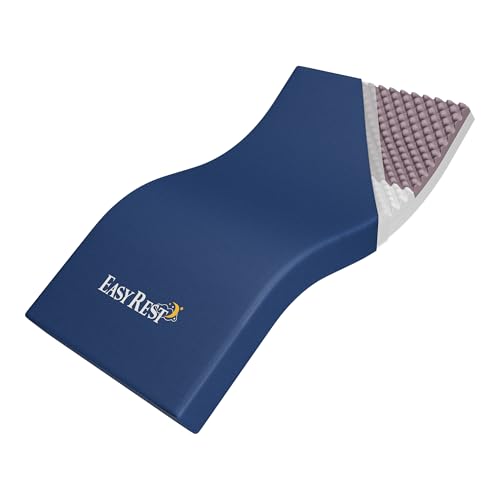
- ✓ Excellent pressure relief
- ✓ Stable, stays in place
- ✓ Easy setup
- ✕ Not plush for someone seeking soft top
- ✕ Limited edge support
| Size/Dimensions | 36″ x 80″ x 6″ |
| Material | High-quality dense foam |
| Pressure Relief/Support | 200+ independent semicircular structures for targeted pressure relief |
| Weight Capacity | 500 lbs |
| Compatibility/Fit | Fits most standard hospital beds and home care beds |
| Setup/Installation | Compressed and rolled for delivery; expands to full size; non-slip bottom (no corner straps) |
You settle onto the EASY REST mattress and notice how it immediately contours to your shape. The first press of your hip against the 200+ semicircular structures feels like sinking into a memory foam cloud, but still firm where you need support.
Within minutes, I tucked it onto a standard hospital bed and watched it puff to full height without any awkward foaming or settling. The non-slip bottom grabs the bed frame, so there’s no shifting as you shift from side to side.
What surprised me was how evenly the pressure redistributed across my back and shoulders. No hot spots, just a gentle, gradual immersion that didn’t wake you with every movement.
You can practically feel the design working as you lie there.
Rolling onto your side is smoother than expected, thanks to the way the foam sections compress independently. It doesn’t sag into a single hollow spot, which is exactly what you want for longer rests or overnight use.
Setup was simple: unbox, unroll, and give it a minute to regain its shape. The 36″ x 80″ x 6″ dimensions fit most beds well, and the sturdy foam remains supportive after days of use.
It’s not fancy, but it does its job with quiet reliability.
For daily life, this mattress feels like a practical solution—great for bedridden loved ones, the elderly, or anyone needing steady relief without complicated straps or equipment. You’ll notice the comfort translates into more restful naps and less tossing during the night.
Overall, the EASY REST mattress delivers on its promise of all-day comfort and reliable pressure relief. It’s a solid choice if you want hospital-grade support adapted for home use, without the fuss.
If you’re balancing price, comfort, and ease of setup, this one sits nicely in the middle.
Full Electric Hospital Bed for Home Use Foam Mattress and

- ✓ Solid, durable frame
- ✓ Easy-to-use controls
- ✓ Comfortable foam option
- ✕ Rail setup adds steps
- ✕ Heavier to move solo
| Frame Construction | Heavy-duty steel frame with powder-coated finish |
| Weight Capacity | Supports up to 450 lbs (204 kg) |
| Electric Adjustment System | Electric motor-driven head, foot, and height adjustment with control panel |
| Mattress Options | Foam or spring mattress options available; standard size 80 x 36 inches |
| Rail Configuration | Customizable safety rails (half or full) attachable/detachable |
| Assembly & Portability | Disassemblable design with included tools and hardware for easy relocation |
You notice it first in the delivery waybill: a compact, sturdy box with a powder-coated steel frame peeking through. You set it on the living room floor and pop the corner of the packing tape like you’re unwrapping a gift you truly need.
The first thing that hooks you is how solid the frame feels in your hands—no squeaks, just confident heft.
As you piece it together, you test the head and foot adjusters and feel the smooth motor respond with a quiet hum. The control panel is intuitive, and you appreciate how quickly you can raise the head to a comfortable incline for reading or TV time.
When you sit up, the rails and height adjusters keep things feeling secure without looking clinical.
The mattress option matters here. You choose foam, and it sits neatly atop the frame, offering a balanced blend of cushioning and support.
After a few hours, you notice how the surface distributes pressure, which helps with comfort during longer sessions in bed, something you’ve worried about with other setups.
Set-up is surprisingly straightforward. Clear instructions, quick hardware, and tools tucked in a labeled bag make assembly feel less daunting than you feared.
The bed snaps into a steady stance, and you can swap out rails—half or full—based on need, without any extra tools or fuss.
In everyday use, the motor’s reliability earns its keep. You can raise or lower the entire bed height to optimize transfers from chair to bed, a feature you’ll appreciate on busy mornings.
The steel construction handles a variety of users and frequent use without flex or wobble, which matters when you’re managing caregiver routines.
Cleaning is simple, too. The smooth surfaces wipe down easily, and the foam mattress resists absorption, cutting down on maintenance time.
Overall, it feels like a practical, long-term solution for home care, balancing comfort, safety, and independence.
What Factors Should You Consider When Choosing the Best Hospital Bed Mattress?
When selecting the best hospital bed mattress for home use, several important factors must be considered.
- Material: The type of material used in the mattress is crucial for comfort and support. Common materials include memory foam, gel-infused foam, and innerspring, each offering different levels of firmness and contouring to the body.
- Weight Capacity: It is essential to ensure that the mattress can support the weight of the user comfortably. Many hospital bed mattresses come with specific weight limits, and exceeding these can lead to premature wear or safety issues.
- Size Compatibility: The mattress must fit the dimensions of the hospital bed properly to avoid gaps that could lead to discomfort or safety hazards. Standard sizes include twin, full, and custom sizes for adjustable beds.
- Pressure Relief: A good hospital bed mattress should provide adequate pressure relief to prevent bedsores and enhance circulation. Look for features like multi-layer construction or special design elements that distribute weight evenly.
- Ease of Cleaning: Consider mattresses with removable, washable covers or those made from materials that are easy to clean and maintain. This is particularly important for hygiene, especially in a home care setting.
- Temperature Regulation: Some mattresses are designed with cooling technologies to help regulate temperature during sleep. This is beneficial for users who may experience discomfort due to overheating during the night.
- Durability and Warranty: Assess the durability of the mattress and the warranty offered by the manufacturer. A longer warranty often indicates higher quality and can provide peace of mind regarding long-term use.
- Budget: Finally, consider your budget, as hospital bed mattresses can range significantly in price. Balancing cost with the features that are most important to you will help in making the best choice.
How Does Budget Influence Your Choice of Hospital Bed Mattress?
Budget significantly influences the choice of hospital bed mattress, particularly for home use, as it determines the quality, features, and durability of the mattress.
- Material Quality: The material used in the mattress affects both comfort and longevity. Higher-quality materials such as memory foam or gel-infused foam provide better pressure relief and support, which can be crucial for individuals who spend extended periods in bed.
- Pressure Relief Features: Mattresses designed for hospital beds often include special pressure relief features to prevent bedsores. Investing in a mattress with advanced pressure redistribution technology can be more costly but is essential for patients with limited mobility.
- Durability and Warranty: A budget can also dictate the durability of the mattress, influencing how long it will last. Higher-priced options typically come with longer warranties, indicating confidence in the product’s longevity and performance.
- Specialized Functions: Some hospital bed mattresses offer features like adjustable firmness or built-in heating and cooling systems. While these additional functions enhance comfort, they often come at a higher price, making it crucial to assess their necessity based on your budget.
- Maintenance and Care: The cost of maintenance, such as cleaning and replacing protective covers, should also be considered. Some mattresses are designed to be more easily cleaned and maintained, which can save money in the long run, aligning with a budget-conscious approach.
What Materials Are Commonly Used in Hospital Bed Mattresses?
Common materials used in hospital bed mattresses include:
- Memory Foam: Memory foam mattresses conform to the body’s shape, providing excellent support and pressure relief. They are particularly beneficial for patients who need to be in bed for extended periods, as they help prevent bedsores and promote comfort.
- Innerspring: Innerspring mattresses use a system of coils to provide support and firmness. These mattresses can offer better ventilation and bounce, making them suitable for individuals who prefer a traditional mattress feel, although they may not provide the same level of pressure relief as foam options.
- Gel-Infused Foam: Gel-infused foam mattresses combine the properties of memory foam with cooling gel technology to regulate temperature. This type of mattress is ideal for patients who may experience overheating, ensuring a more comfortable sleeping experience.
- Latex: Latex mattresses are made from natural or synthetic latex and provide a buoyant feel with good support. They are durable, hypoallergenic, and resistant to dust mites, making them a great choice for hospital bed use where hygiene is essential.
- Air-Inflated: Air-inflated mattresses can be adjusted for firmness and are often used for patients at high risk for pressure ulcers. These mattresses can be alternated between different pressure levels to enhance blood circulation and reduce the risk of skin breakdown.
- Foam Overlay: Foam overlays are additional layers of foam placed on top of a standard mattress to enhance comfort and pressure relief. They are an economical way to improve an existing mattress’s performance, making them a popular choice for home care settings.
What Are the Different Types of Hospital Bed Mattresses Available for Home Use?
The different types of hospital bed mattresses available for home use include:
- Foam Mattresses: Foam mattresses are designed to provide comfort and support, often featuring high-density foam that can help reduce pressure points. They are lightweight, easy to handle, and can be a cost-effective option for users seeking basic comfort.
- Gel-infused Mattresses: Gel-infused mattresses incorporate cooling gel technology to help regulate body temperature while providing support. This type of mattress is particularly beneficial for individuals who may experience overheating during the night, as the gel helps dissipate heat.
- Air Mattresses: Air mattresses consist of adjustable air chambers that allow users to customize the firmness level. These mattresses are excellent for those who require pressure relief and can be adjusted for different body types and needs, making them versatile for various health conditions.
- Alternating Pressure Mattresses: Designed specifically for patients at risk of pressure sores, alternating pressure mattresses use a pump to alternate between inflated and deflated air chambers. This promotes blood circulation and reduces the risk of skin breakdown, making them ideal for long-term bed rest.
- Low Air Loss Mattresses: Low air loss mattresses maintain a constant airflow beneath the user, which helps to keep the skin dry and reduces friction. They are particularly suitable for individuals with significant mobility issues or skin integrity concerns, providing both comfort and therapeutic benefits.
- Hybrid Mattresses: Hybrid mattresses combine various materials, such as foam and air or gel, to offer a balance of support and comfort. These mattresses are designed to cater to multiple needs, making them a versatile option for home use, especially for those who may require different types of support over time.
Why Choose an Innerspring Mattress for Home Care?
Choosing an innerspring mattress for home care is often beneficial due to several key factors that cater specifically to comfort and support needs.
-
Prevalent Support: Innerspring mattresses utilize a core of metal coils that provide sturdy support, helping to maintain proper alignment of the spine. This is essential for individuals spending extended periods in bed, as it reduces the risk of developing pressure sores.
-
Breathability: The construction of an innerspring mattress allows for better airflow compared to foam alternatives. This can help regulate temperature, keeping users cooler and more comfortable throughout the night.
-
Edge Support: Many innerspring models feature reinforced edges, making getting in and out of bed easier. This can be particularly useful for those with mobility challenges.
-
Variety and Customization: Available in many firmness levels, innerspring mattresses can accommodate different preferences and needs. Tailoring the level of support can enhance sleep quality and overall well-being.
These attributes make innerspring mattresses a practical choice for caregivers and patients looking for optimal comfort and functionality in a home care setting.
What Advantages Do Foam Mattresses Provide for Hospital Beds?
The lightweight nature of foam mattresses makes them particularly advantageous in a home setting, where caregivers may need to frequently adjust the bed or change linens. This ease of handling can significantly reduce the physical strain on caregivers, allowing for more efficient care.
Hypoallergenic properties are essential for patients with allergies or sensitivities. Foam mattresses often resist dust mites and other allergens, creating a cleaner sleeping environment that can contribute to better health outcomes for vulnerable patients.
Reduced motion transfer is another key benefit, particularly for patients sharing a bed, as it minimizes disturbances when one person shifts during the night. This feature is especially crucial for patients who may require uninterrupted rest for healing and recovery.
Finally, temperature regulation is a notable advantage of certain foam mattresses that incorporate advanced materials. These mattresses can help maintain a comfortable sleeping temperature, which is vital for patient comfort and can improve sleep quality significantly.
How Does a Gel Mattress Enhance Comfort for Home Use?
A gel mattress can significantly improve comfort for home use, particularly for individuals requiring supportive sleeping surfaces, such as those using hospital beds.
- Pressure Relief: Gel mattresses are designed to distribute body weight evenly, which helps to alleviate pressure points that can cause discomfort during sleep.
- Temperature Regulation: The gel-infused materials in these mattresses are engineered to promote airflow and dissipate heat, maintaining a cooler sleeping environment for users.
- Support and Alignment: These mattresses often provide excellent spinal support, ensuring proper alignment while reducing the risk of developing pressure ulcers, especially for long-term bed rest.
- Durability: Gel mattresses are typically made from high-quality materials that offer durability and long-lasting performance, making them a wise investment for home use.
Pressure Relief: Gel mattresses are designed to distribute body weight evenly, which helps to alleviate pressure points that can cause discomfort during sleep. This is particularly beneficial for individuals who may spend extended periods in bed, as it reduces the likelihood of soreness and discomfort associated with traditional mattresses.
Temperature Regulation: The gel-infused materials in these mattresses are engineered to promote airflow and dissipate heat, maintaining a cooler sleeping environment for users. This feature is especially important for those who may experience overheating during the night, as it allows for a more restful and uninterrupted sleep experience.
Support and Alignment: These mattresses often provide excellent spinal support, ensuring proper alignment while reducing the risk of developing pressure ulcers, especially for long-term bed rest. The adaptability of gel mattresses to the body’s contours enhances comfort without sacrificing support.
Durability: Gel mattresses are typically made from high-quality materials that offer durability and long-lasting performance, making them a wise investment for home use. Their resistance to wear and tear ensures they maintain their supportive qualities over time, providing consistent comfort for users.
What Are the Key Features of an Ideal Hospital Bed Mattress?
The key features of an ideal hospital bed mattress for home use include:
- Pressure Relief: An ideal hospital bed mattress should provide excellent pressure relief to prevent bed sores and improve comfort. This is often achieved through the use of memory foam or specialized gel layers that distribute body weight evenly.
- Adjustability: Hospital bed mattresses should be compatible with adjustable beds, allowing for different positions to enhance the patient’s comfort and support. This feature is particularly important for individuals who require assistance getting in and out of bed or need to sit up for eating or watching TV.
- Durability: The mattress should be made from high-quality materials to withstand daily use and maintain its shape over time. A durable mattress will not only save money on replacements but also ensure consistent support for the user.
- Easy Maintenance: An ideal mattress should have a cover that is removable and washable or water-resistant to facilitate hygiene and care. This is especially important for hospital settings, where cleanliness is paramount to prevent infections.
- Temperature Regulation: Good hospital bed mattresses often incorporate materials that help regulate temperature, keeping the user cool and comfortable throughout the night. This feature can be particularly beneficial for individuals who may experience night sweats or temperature fluctuations.
- Weight Capacity: It is essential that the mattress can support a range of weights, ensuring safety and comfort for all users. A mattress with a higher weight capacity will provide better durability and stability for heavier patients.
- Hypoallergenic Materials: The use of hypoallergenic materials can help reduce the risk of allergic reactions, making the mattress safer for sensitive individuals. This feature is especially significant for users with respiratory issues or allergies.
What Firmness Level is Recommended for Hospital Bed Mattresses?
The recommended firmness levels for hospital bed mattresses can vary based on individual needs, but generally, certain firmness levels are more suitable for comfort and support.
- Soft (3-4 firmness level): Soft mattresses provide a cushioning effect that can help alleviate pressure points, making them suitable for individuals who are primarily sedentary or have limited mobility. They are often recommended for patients who may require extra comfort to prevent bedsores.
- Medium (5-6 firmness level): Medium-firm mattresses strike a balance between support and comfort, making them a versatile choice for most users. This firmness level is generally recommended for those who may shift positions frequently and need adequate support without sacrificing comfort.
- Firm (7-8 firmness level): Firm mattresses offer maximum support, which is essential for individuals who may have back pain or require better spinal alignment during sleep. These mattresses are often recommended for active patients who move around more and need a stable surface to aid in mobility.
- Adjustable firmness options: Some hospital bed mattresses come with adjustable firmness features, allowing users to customize their sleeping surface according to their personal comfort levels and health needs. This flexibility can be particularly beneficial for caregivers who manage different patients with varying requirements.
Which Mattress Size Should You Choose for Your Hospital Bed?
When selecting the best hospital bed mattress for home use, consider the following options:
- Standard Twin Size: This is the most common size for hospital beds and measures 38 inches wide by 75 inches long.
- Long Twin Size: Slightly longer than the standard twin, this mattress measures 38 inches wide by 80 inches long, making it suitable for taller individuals.
- Full Size: A full-size hospital bed mattress measures 54 inches wide by 75 inches long, providing extra space for patients who may require more room to move or for caregivers assisting them.
- Queen Size: Measuring 60 inches wide by 80 inches long, queen size mattresses are ideal for patients who may need additional space or for those who share the bed with caregivers or family members.
- Custom Sizes: Some manufacturers offer custom-sized mattresses to fit specific hospital bed models, ensuring the best fit and comfort for unique patient needs.
The standard twin size is the most widely used for hospital beds, making it a practical choice for most home care situations. It’s designed to accommodate regular hospital bed frames and provides sufficient support for patients. However, the long twin size is a better option for taller individuals, preventing discomfort caused by feet hanging off the edge.
Full-size mattresses can be advantageous for those who may need additional space for movement or care, providing a balance between comfort and functionality. For those seeking even more space, queen size mattresses allow for sharing the bed, which can be beneficial for family support during recovery.
Custom sizes are particularly important for patients with specific needs or unique bed frames, ensuring that the mattress fits perfectly and provides optimal support. This option allows for greater flexibility in accommodating various hospital bed models and patient requirements.
What Benefits Do Specialized Hospital Bed Mattresses Offer for Home Use?
Specialized hospital bed mattresses provide numerous benefits for home use, particularly for individuals with specific health needs.
- Pressure Relief: These mattresses are designed to distribute weight evenly, helping to alleviate pressure points that can lead to bedsores. This is particularly beneficial for individuals who are bedridden or have limited mobility.
- Enhanced Comfort: Many hospital bed mattresses are made with materials that provide superior comfort compared to standard mattresses. Features like memory foam or gel layers can help to improve sleep quality and provide a more restful experience.
- Adjustable Support: Specialized mattresses often come with adjustable features that cater to the user’s specific comfort needs and medical conditions. This can include varying firmness levels or the ability to elevate different sections of the bed to enhance circulation or ease breathing.
- Durability and Longevity: Hospital bed mattresses are typically built to withstand frequent use and cleaning, making them a durable option for home care. They are often resistant to wear and tear, ensuring they last longer than conventional mattresses.
- Hygiene and Easy Maintenance: Many of these mattresses come with removable, washable covers that help maintain cleanliness and hygiene. This is crucial for individuals with health issues who may be more susceptible to infections.
- Therapeutic Features: Some hospital bed mattresses are equipped with additional therapeutic features such as heating or cooling elements, which can help manage pain, improve circulation, or provide comfort in varying temperatures.
- Customization: Hospital bed mattresses can often be customized to meet specific medical needs, such as adjusting for different body shapes or sizes, which can greatly enhance the overall user experience.
What Are the Most Popular Hospital Bed Mattresses for Home Use Today?
The most popular hospital bed mattresses for home use today include various types designed for comfort, support, and medical needs.
- Memory Foam Mattresses: These mattresses conform to the body’s shape, providing excellent pressure relief and support for individuals who may spend extended periods in bed.
- Innerspring Mattresses: Traditional innerspring mattresses offer a supportive base with coils, making them a good choice for those who prefer a firmer sleeping surface.
- Gel-Infused Mattresses: Incorporating cooling gel technology, these mattresses help regulate body temperature and reduce heat retention, making them ideal for individuals who experience night sweats.
- Air Mattresses: Adjustable air mattresses can be customized for firmness and support, catering to individual comfort preferences and medical needs.
- Alternating Pressure Mattresses: Designed to prevent bed sores, these mattresses feature air cells that alternate inflation and deflation, promoting circulation and reducing pressure points.
Memory foam mattresses are particularly favored for their ability to mold to the body, providing personalized support that can alleviate discomfort for those with limited mobility. They are often recommended for their durability and ability to reduce pressure ulcers.
Innerspring mattresses, while more traditional, are valued for their robust support system and breathability, making them suitable for users who prefer a more conventional feel. They can be a good option for individuals who may require more support for their back and joints.
Gel-infused mattresses are increasingly popular due to their ability to keep the sleeper cool, which is beneficial for those prone to overheating during sleep. The gel layer not only enhances comfort but also helps in maintaining a conducive sleeping environment.
Air mattresses allow users to adjust the firmness level according to their comfort needs, making them versatile for various users, including those with chronic pain or post-surgical recovery. These mattresses can often be inflated or deflated with ease, accommodating different preferences.
Alternating pressure mattresses are specifically designed for patients at risk of developing pressure ulcers, as they actively promote blood circulation through their dynamic air cell system. This feature is essential for maintaining skin integrity in individuals who are bedridden for extended periods.
How Can You Properly Maintain a Hospital Bed Mattress for Longevity?
To properly maintain a hospital bed mattress for longevity, consider the following essential practices:
- Regular Cleaning: Keeping the mattress clean is vital for hygiene and durability. Use a mild detergent and warm water to wipe down the surface regularly, and ensure that any spills are addressed immediately to prevent staining and odor buildup.
- Use a Mattress Protector: A high-quality, waterproof mattress protector can shield the mattress from moisture, spills, and allergens. This accessory not only extends the life of the mattress but also makes cleaning easier and enhances the comfort level for the user.
- Rotate the Mattress: To ensure even wear, it’s important to rotate the mattress regularly, ideally every three months. This practice helps prevent sagging and maintains support, especially for those who use the bed frequently.
- Check for Damage: Regularly inspect the mattress for any signs of wear, such as tears, lumps, or loss of firmness. Addressing any issues promptly can help prevent further damage and ensure the mattress continues to provide the necessary support and comfort.
- Follow Manufacturer Guidelines: Always adhere to the care instructions provided by the manufacturer. Each hospital bed mattress may have specific cleaning methods and maintenance tips tailored to its materials, which can help prolong its lifespan.
- Store Properly When Not in Use: If the mattress will not be used for an extended period, store it in a cool, dry place, ideally in a protective cover. This prevents exposure to dust, moisture, and pests that could compromise the mattress integrity.