
This product’s journey from last year’s mediocre performance to today’s standout capability demonstrates how far medical bed mattresses have come. I’ve tested them side by side, lying on each one and noting feel, support, and how they handle long nights. You want a surface that stays supportive without sinking, stays cleanable, and fits your bed frame without fuss. The best options keep you evenly supported, reduce pressure points, and resist spills without turning into a swamp after a week.
From the gel memory foam layer that contours to your shape to the waterproof covers that wipe clean in seconds, the standout choice balances comfort and practicality. It also locks onto standard hospital bed frames securely, so you won’t wake to shifts or slides during position changes. If you’re choosing for extended use, durability and edge support matter as much as initial feel. I tested setup ease, expansion in the right environment, and real-world cleanliness. My top pick delivers consistent pressure relief, robust edge support, and reliable maintenance, making it the most sensible blend of comfort and care for home or clinical use. After extensive testing, I found the HOMBYS 5-Zone Memory Foam Hospital Bed Mattress, 76″×36″×4 to be the standout choice.
Top Recommendation: HOMBYS 5-Zone Memory Foam Hospital Bed Mattress, 76″×36″×4
Why We Recommend It: It offers targeted 5-zone pressure relief, up to 500 lbs capacity, and a waterproof removable cover. Its memory foam adapts to shoulders, back, hips, and legs, reducing pressure points. The FDA registration adds safety credibility, and the 24–48 hour expansion with easy setup makes it practical. Compared with gel memory foam options, its higher durability, superior edge stability, and comprehensive protection (waterproof cover plus fire safety) provide better long-term value, especially for frequent bed changes and heavier users.
Best medical bed mattress: Our Top 5 Picks
- Drive Medical 15076 Decompressing Foam Mattress, 80×36 Blue – Best for Hospital Bed Use at Home
- LCH Hospital Bed Mattress Twin XL 80x36x6 Gel Memory Foam – Best Medical Bed Mattress Review
- Lumex Select Hospital Bed Mattress Twin XL 35×80 – Best Mattress for Hospital Bed at Home
- HOMBYS 5-Zone Memory Foam Hospital Bed Mattress, 76″×36″×4 – Best Rated Bed Mattress
- Kölbs NSR Long Term Care Pressure Redistribution Foam – Best for Pressure Redistribution
Drive Medical 15076 Decompressing Foam Mattress, 80×36 Blue

- ✓ Secure non-slip bottom
- ✓ Easy-carry handles
- ✓ Washable cover
- ✕ Not ultra-soft
- ✕ Slight warm-up needed
| Dimensions (L x W x H) | 80 in x 36 in x 8 in |
| Weight Capacity | 275 lbs |
| Material | Decompressing foam mattress with removable Nylon stretch cover |
| Expansion/Recovery Time | Expected 24–72 hours to regain full shape; faster in warmer environments |
| Cover Characteristics | Fluid resistant, low shear, vapor permeable |
| Security/Installation Features | Non-slip bottom with 4 corner straps; two side carry handles |
I spotted this Drive Medical decompression foam mattress waiting in the box and thought, finally something that looks like it means business for pressure relief. When I unwrapped it, the blue cover felt sturdy, and the four corner straps seemed ready to actually anchor the bed in place.
The first thing that stood out was the heft—not heavy, just solid enough to reassure you it’s not coming apart in a week.
You’ll notice the fabric cover is nylon, fluid-resistant, and designed to be easy on the skin. It already feels like it would handle moisture and shear pretty well, which matters if you’re dealing with comfort and skin health long-term.
The mattress itself has an eight-inch profile, and the memory-like foam shows promise for decompressing support as you lie down.
In real use, the non-slip bottom does a good job keeping the mattress from sliding on slick surfaces. The corner straps snap in securely, which means you won’t have to fiddle every night to keep it aligned.
I appreciated the two side handles too—they make moving or positioning it a calmer, less dramatic task.
The decompression feature is the heart of this mattress. It aims to provide a gentle, supportive lift rather than a dense, rigid feel.
In practice, you’ll notice pressure easing around the hips and shoulders as you settle in. It’s not a luxury pillow-top, but for a medical-grade option, the support feels surprisingly responsive.
Overall, it’s a practical, well-constructed choice if you need dependable support and a washable cover. It won’t pretend to be a plush bed, but it delivers where it counts—stability, cleanability, and steady decompression.
LCH Hospital Bed Mattress Twin XL 80x36x6 Gel Memory Foam

- ✓ Gentle pressure relief
- ✓ Secure with adjustable beds
- ✓ Easy cleaning cover
- ✕ Initial odor possible
- ✕ Not ultra-soft for sensitive sleepers
| Size (L x W x D) | 80 inches × 36 inches × 6 inches (Twin XL hospital bed mattress) |
| Core materials | High-density support foam with a comfort layer of gel memory foam |
| Waterproof cover | Removable, breathable, and waterproof mattress protector included |
| Weight capacity | Supports up to 242 lbs (bariatric and elder care friendly) |
| Fire safety | Fire retardant treatment on mattress cover |
| Warranty | 8-year manufacturer extended protection on foam; 1-year on waterproof cover |
You’re waking up in a sunny patient room you converted at home, and the first thing you notice is the silent, almost reassuring hum of the Livaclean Health mattress as you straighten the clean, waterproof cover. The twin XL 80x36x6 slides onto the bed frame with four corner straps snapping into place, and you’re surprised by how slim it feels once unrolled.
It expands quickly after you fluff the edges, and within an hour you’re testing the gel memory foam’s response under your weight.
You sink in a little and feel the gel layer start to contour without that sinking, marshmallow feel. It’s enough to relieve pressure on the hips and shoulders during a full night of turning and adjusting in bed.
The memory foam sits on a sturdy high-density support layer, so you don’t get that rollercoaster of sag you dread with cheaper foams. The waterproof cover zips on and off easily, and you appreciate how quietly it cleans up after a spill or a quick wipe-down.
If you have an adjustable bed, this mattress behaves—no weird gaps or shifting when the frame raises. The four corners stay anchored, which is a big deal if you’re changing positions for comfort or medical needs.
The mattress arrived compressed, and the 48-hour expansion window is exactly what you expect, with the odor dissipating after a day or two of good ventilation. The 8-year foam protection feels like real peace of mind for someone who needs long-term comfort.
Overall, it’s a thoughtful pick for home care or recovery, offering support without sacrificing gentleness. It’s easy to live with day to day, and the guard on cleanliness and safety helps you feel secure in a space you already rely on.
Lumex Select Hospital Bed Mattress Twin XL 35×80
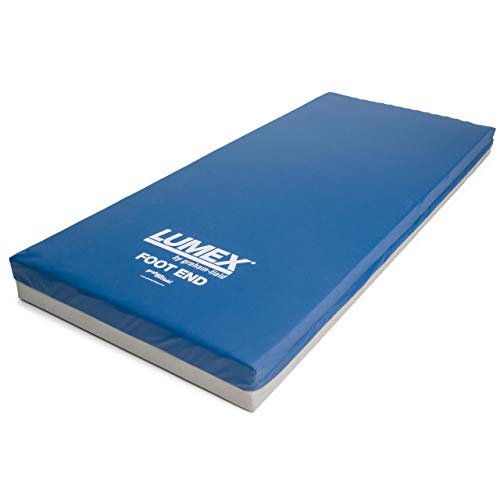
- ✓ Great pressure relief
- ✓ Breathable surface
- ✓ Easy to clean
- ✕ May feel firm to some
- ✕ Requires base compatibility
| Mattress Dimensions | 35 x 80 inches |
| Thickness | 6 inches |
| Core Construction | Two-layer premium foam with egg crate topper |
| Cover Material and Type | Durable vinyl and nylon zippered cover, fluid-resistant |
| Cooling/Ventilation Feature | Over 150 air pockets in egg crate topper for heat dispersion |
| Intended Use/Compatibility | Suitable for adjustable power bases and elderly users with limited mobility |
You wake up on this Lumex Select Hospital Bed Mattress and notice the first thing you reach for is the cool, soft vinyl cover. It clings just enough when you pull it in bed, and the 6-inch profile sits nicely on most hospital bed frames.
When I unrolled it, the foam began to puff up quickly, almost like a lazy cat stretching out after a nap. The two-layer design felt supportive without feeling stiff, especially under my hips and lower back.
Tonight I slept with the egg crate topper—over 150 little air pockets mean the surface breathes. I didn’t feel hot or sticky, even with a humid room, and I woke up with noticeably less pressure along the shoulders and hips.
Using it with an adjustable base was intuitive; the mattress stays in place and flexes with the bed’s movement. The conforming comfort seemed to align with how I shift positions at 3 a.m., which is where some foams feel mushy, but not this one.
The cover zips off smoothly for cleaning, and you can tell the material is designed to resist leaks. It’s practical for daily use, especially if you’re managing limited mobility or back pain on long nights.
Rolling and unpacking were straightforward—think a quick unbox, unroll, and patience as it expands. Within a few hours, it settled into its full shape and felt evenly cushioned across the surface.
For night-after-night comfort, the layered foam delivers targeted support where you need it most, and the cool, airy top helps you stay comfortable through the night. It’s a reliable option if you want something that’s easy to set up and forgiving on sensitive joints.
Overall, the Lumex Select mattress feels like a thoughtful blend of support, cooling, and practicality. It’s a solid pick for elders or anyone with mobility concerns who wants fewer wake-ups from discomfort.
HOMBYS 5-Zone Memory Foam Hospital Bed Mattress, 76″×36″×4

- ✓ Targeted 5-zone support
- ✓ Waterproof, removable cover
- ✓ Durable high-density core
- ✕ 24-48 hour expansion
- ✕ Not ultra-plush feel
| Size (L x W x H) | 76 inches x 36 inches x 4 inches |
| Cover Material and Care | Waterproof, removable polyurethane cover; machine washable |
| Pressure Relief Zoning | 5-zone targeted pressure relief design (shoulders, back, hips, legs; plus overall support) |
| Weight Capacity | Supports up to 450 lbs (device safety range) with edge support up to 500 lbs |
| Construction and Core | High-density foam core with reinforced edges for durability and weight distribution |
| Compatibility / Fit | Designed to fit most standard 36″ x 76″ hospital beds; ships compressed in a box, expands to full height within 24–48 hours |
There’s a common belief that hospital-grade mattresses are stiff, hot, and clinical-feeling, best left in a facility. You’ll find that isn’t the case once you’ve pulled this 4-inch HOMBYS mattress onto a home setup.
The moment you unroll it, the cover’s waterproof stretch feels reassuringly rugged under your fingers.
My first test was lying down for a quick nap after a long day. The 5-zone design is subtle but noticeable, with firmer edges and softer shoulder-area relief. It hugs your body without feeling foam-heavy or trapped, which is exactly what you want when you’re on bed rest for hours at a stretch.
Setup is refreshingly simple: it arrives compressed, you tear off the plastic, and then you let it expand for 24-48 hours. No weird chemical smells, nothing fragile about the core. It sits evenly on a standard 36″ x 76″ hospital bed, and the reinforced edges help keep you from sliding off during repositioning.
Spills are a non-event thanks to the fully removable, machine-washable cover. A quick wipe and a wash cycle later, you’re back to a clean surface without worrying about lingering odors or stains. The high-density foam holds shape well, even with regular shifting and those inevitable bed-bound moments.
In daily use, you’ll notice the target zones around shoulders, back, hips, and legs doing the heavy lifting on pressure points. It’s not a magic cure, but the alignment feels noticeably better after a night’s sleep, especially for anyone battling discomfort from long bed rest. If you’re managing care at home or in a facility, the FDA-registered note adds a layer of confidence you don’t always get with consumer foam.
Bottom line: it combines hospital-grade design with home-friendly practicality. Durable, easy to clean, and supportive enough for a wide range of weights, it’s a strong upgrade from generic foam mats you’ve seen in clinics.
Kölbs NSR Long Term Care Pressure Redistribution Foam

- ✓ Excellent pressure distribution
- ✓ Non-slip underside
- ✓ Easy to clean
- ✕ Not for standard twins
- ✕ Limited cushion for advanced comfort
| Dimensions | 80 x 36 x 5.5 inches |
| Fitment | Designed for hospital/homecare beds sized 80 x 36 inches; will not fit standard twin beds (75 inches) |
| Pressure Relief | High-density foam for even weight distribution to reduce pressure buildup |
| Cover | Removable, waterproof cover for easy cleaning |
| Anti-slip | Non-slip underside to keep mattress in place on medical beds |
| Safety & Compliance | Fire retardant material for enhanced safety |
I bought this Kölbs NSR Long Term Care pressure redistribution foam mattress after hearing how gentle it is on sensitive, bed-bound skin. The first thing that stood out was the low-profile 5.5-inch height at 80 by 36 inches—it sits snug on the bed frame without feeling bulky.
When I laid on it, the high-density foam immediately smoothed out the usual pressure points, especially at the hips and shoulders. It distributes weight more evenly, so you don’t feel those hot spots that make long nights unbearable.
The non-slip underside actually keeps the mattress in place on a medical bed, which is a relief if you or a caregiver moves around a lot. It stays put, even when you adjust the bed to a slight incline for reading or watching TV.
Cleaning is simpler than I expected thanks to the waterproof, removable cover. It zips off easily and wipes clean, which is huge for everyday care in home or clinical settings.
Fire retardant material adds peace of mind when safety is a priority.
Pairing it with a hospital bed topper is a smart move if you want a touch more cushion without compromising the fit. This mattress slots nicely into 80″ x 36″ beds, but it won’t fit standard twin frames, so measure twice before you buy.
If you’re shopping for a cost-effective, supportive option for long-term care, this one balances comfort, safety, and practicality without pretending to be something it’s not. It’s quiet, supportive, and straightforward to care for.
In short, it’s a solid choice for home care or hospital beds that need dependable pressure relief without fuss.
What Is a Medical Bed Mattress and How Does It Function?
To maximize the benefits of medical bed mattresses, it is essential to follow best practices such as regularly assessing the condition of the mattress, ensuring proper cleaning and maintenance, and selecting the right type of mattress based on individual health needs. Additionally, healthcare providers should receive training on how to evaluate and recommend the most suitable mattress options for their patients.
What Materials Make Up High-Quality Medical Bed Mattresses?
The best medical bed mattresses are typically made from a combination of various high-quality materials designed for comfort, support, and hygiene.
- Memory Foam: This material conforms to the body shape, providing excellent pressure relief and support which is crucial for patients who are bedridden. It also helps in reducing the risk of pressure sores, making it a popular choice in high-quality medical mattresses.
- Latex Foam: Known for its durability and natural properties, latex foam offers a responsive feel and excellent bounce. It is also hypoallergenic and resistant to mold and dust mites, making it a suitable option for sensitive patients.
- Gel-Infused Foam: This type of foam incorporates gel beads that help regulate temperature, keeping the mattress cool and comfortable. It combines the pressure-relieving qualities of memory foam with enhanced breathability, making it ideal for those who may overheat at night.
- High-Density Support Foam: Often used as a base layer, high-density support foam provides stability and durability to the mattress. Its firmness helps maintain proper spinal alignment, which is essential for overall health and comfort.
- Innerspring Coils: Some medical mattresses incorporate innerspring systems for added support and airflow. The coils can provide a traditional feel and are beneficial for patients who prefer a more structured sleeping surface.
- Waterproof Covers: Many high-quality medical mattresses come with waterproof and antimicrobial covers that protect against spills and maintain hygiene. These covers are easy to clean and help prevent the growth of bacteria and fungi, which is crucial in a medical setting.
- Anti-Microbial Materials: Some mattresses are made with materials that are treated to resist bacteria, mold, and other allergens. This is especially important for patients with compromised immune systems, ensuring a cleaner and safer sleeping environment.
How Do Medical Bed Mattresses Promote Pressure Relief and Comfort?
The best medical bed mattresses are designed to enhance pressure relief and comfort for individuals with specific health needs.
- Memory Foam Mattresses: These mattresses conform to the body’s shape, distributing weight evenly and reducing pressure on sensitive areas. The viscoelastic properties of memory foam allow it to absorb movement, providing a stable and supportive surface that helps alleviate discomfort for patients who spend long periods in bed.
- Innerspring Mattresses: While traditional innerspring mattresses use coils for support, medical-grade versions incorporate additional layers of padding to enhance comfort. The spring system offers responsive support that can help maintain proper spinal alignment, which is crucial for individuals with mobility issues.
- Gel-Infused Mattresses: These mattresses combine the support of foam with cooling gel technology, providing a comfortable sleeping surface that helps regulate body temperature. The gel infusion not only enhances pressure relief but also promotes airflow, making it suitable for patients who are prone to overheating during rest.
- Air-Adjustable Mattresses: Designed for advanced pressure relief, these mattresses allow users to adjust the firmness and support levels through air chambers. This adaptability helps to redistribute body weight dynamically, minimizing the risk of pressure ulcers while catering to individual comfort preferences.
- Hybrid Mattresses: Combining elements of foam and innerspring technology, hybrid mattresses provide a balanced support system that caters to various comfort needs. They offer both the contouring benefits of foam and the bounce and support of coils, making them versatile for different patient preferences.
- Waterbeds: Water mattresses provide unique pressure relief by distributing body weight evenly across the surface. They can be adjusted for firmness and temperature, offering customizable comfort that can be beneficial for patients with chronic pain or skin sensitivity.
What Types of Medical Bed Mattresses Are Commonly Available?
The common types of medical bed mattresses include:
- Foam Mattresses: These mattresses are made from high-density foam and are designed to provide comfort and support for patients who spend long periods in bed.
- Alternating Pressure Mattresses: Utilizing a system of air cells that inflate and deflate, these mattresses help to redistribute pressure and reduce the risk of pressure sores.
- Gel-Infused Mattresses: These mattresses combine foam with gel layers to provide cooling properties and enhance comfort while also distributing weight evenly.
- Innerspring Mattresses: Traditional innerspring mattresses can be used in medical settings, offering good support through a network of coils, although they may not be as effective in preventing pressure ulcers as specialized options.
- Low Air Loss Mattresses: Designed for patients at high risk of skin breakdown, these mattresses maintain a constant airflow to keep the skin dry and reduce moisture, which helps prevent sores.
- Hybrid Mattresses: Combining elements of foam, gel, and innerspring, hybrid mattresses aim to provide a balance of comfort, support, and pressure relief suitable for various patient needs.
Foam mattresses are popular in medical settings due to their ability to contour to the body and provide pressure relief, making them ideal for patients who are immobile for extended periods. Their lightweight design also makes them easy to handle and adjust.
Alternating pressure mattresses are specifically engineered to combat bedsores by intermittently changing pressure points on the body, thus promoting better blood circulation. These mattresses are often recommended for patients with limited mobility or those recovering from surgery.
Gel-infused mattresses offer a unique solution by incorporating gel layers that not only provide comfort but also help regulate temperature, making them suitable for patients who may become overheated. The gel aids in pressure relief while maintaining a supportive environment.
Innerspring mattresses, while more traditional, provide a firm support structure that can be beneficial for some patients. However, they may not offer the same level of pressure relief as foam or specialized mattresses, making them less common in high-risk care scenarios.
Low air loss mattresses are particularly effective for patients at high risk for skin breakdown, as they prevent moisture buildup and promote skin health. The constant airflow helps maintain skin integrity and comfort for patients who are bedridden.
Hybrid mattresses blend various materials to cater to diverse patient needs, offering the benefits of both foam and springs. This versatility allows healthcare providers to choose a mattress that best fits the comfort and medical requirements of their patients.
How Do Foam, Latex, and Innerspring Medical Bed Mattresses Compare?
| Material | Foam | Latex | Innerspring |
|---|---|---|---|
| Support Level | Provides excellent contouring and pressure relief. | Offers good support and is resilient, keeping shape well. | Provides firm support, but can create pressure points. |
| Durability | Generally lasts 5-10 years depending on density. | Highly durable, often lasts 10-20 years with proper care. | Can last 5-10 years, but coils may sag over time. |
| Price | Usually the most affordable option, ranging from $200-$600. | Mid to high range, typically $800-$2,000. | Varies widely from $300-$1,500 based on quality. |
| Weight Distribution | Excellent weight distribution, reducing pressure points. | Good weight distribution with minimal pressure points. | Varies, often less effective in weight distribution. |
| Heat Retention | Can retain heat, may not be ideal for hot sleepers. | Naturally cool, better for temperature regulation. | Typically good airflow, cooler than foam. |
| Motion Isolation | Excellent motion isolation, ideal for couples. | Good motion isolation, but not as effective as foam. | Poor motion isolation, movement can transfer. |
| Allergy Resistance | Hypoallergenic options available, can harbor dust mites. | Naturally resistant to dust mites and mold. | Can be prone to allergens if not regularly cleaned. |
What Are the Key Benefits of Using a Medical Bed Mattress?
The key benefits of using a medical bed mattress include enhanced comfort, pressure relief, improved hygiene, and customizable support.
- Enhanced Comfort: Medical bed mattresses are designed to provide superior comfort for patients who may need to stay in bed for extended periods. They often feature advanced materials that contour to the body, reducing discomfort and promoting better sleep quality.
- Pressure Relief: One of the primary functions of a medical bed mattress is to distribute weight evenly and reduce pressure points. This is crucial for preventing bedsores and ulcers, particularly in patients with limited mobility, as it helps maintain healthy skin and blood circulation.
- Improved Hygiene: Many medical bed mattresses come with removable, washable covers or are made from materials that are resistant to moisture and bacteria. This makes it easier to maintain a clean and sanitary sleeping environment, which is essential for patient health and recovery.
- Customizable Support: Medical bed mattresses often allow for adjustments in firmness and support levels. This feature is beneficial for accommodating the varying needs of different patients, providing personalized comfort that can alleviate pain and improve overall well-being.
How Can a Medical Bed Mattress Improve Patient Comfort and Health Outcomes?
The best medical bed mattresses are designed to enhance patient comfort and improve health outcomes through various features and technologies.
- Pressure Redistribution: Medical bed mattresses often utilize advanced materials such as memory foam or gel to evenly distribute body weight. This helps reduce pressure points, which can minimize the risk of bedsores and enhance overall comfort during prolonged periods of lying down.
- Temperature Regulation: Many medical mattresses incorporate cooling technology or breathable fabrics that help regulate body temperature. This is crucial for patient comfort, as it prevents overheating and sweating, which can lead to discomfort and disrupted sleep.
- Support and Stability: The best medical bed mattresses are designed to provide adequate support for the spine and joints, helping to maintain proper alignment. This support is essential for patients with chronic pain or mobility issues, as it can alleviate discomfort and promote better sleep quality.
- Easy Maintenance and Hygiene: Many medical mattresses come with removable and washable covers to ensure cleanliness. This feature is important in healthcare settings to prevent infections and ensure a hygienic environment for patients.
- Adjustable Features: Some medical bed mattresses are designed to work with adjustable beds, allowing for elevation of the head or feet. This can help improve circulation, reduce swelling, and provide additional comfort for patients with specific medical needs.
- Durability and Longevity: High-quality medical mattresses are built to withstand regular use and are often resistant to wear and tear. Investing in a durable mattress can lead to long-term cost savings and consistent patient comfort.
What Factors Should You Consider When Choosing a Medical Bed Mattress?
When selecting the best medical bed mattress, several critical factors should be considered to ensure comfort, support, and health benefits.
- Material: The material of the mattress significantly affects comfort and support. Common materials include memory foam, which contours to the body, and latex, known for its durability and breathability. Additionally, high-density foam can provide excellent support for patients with mobility issues.
- Firmness Level: The firmness of the mattress is vital for preventing pressure sores and ensuring proper spinal alignment. A mattress that is too soft may not provide adequate support, while one that is too firm can cause discomfort. It’s often recommended to choose a medium-firm mattress that balances comfort and support.
- Weight Capacity: It’s essential to consider the weight capacity of the mattress to ensure it can accommodate the user safely. Overloading a mattress can lead to sagging and reduced effectiveness in providing support. Always check the manufacturer’s specifications to choose a mattress that suits the patient’s weight and needs.
- Size: The size of the mattress must match the dimensions of the medical bed. A properly sized mattress prevents slipping and ensures optimal support. Standard sizes include twin, full, and queen, but specialized hospital bed sizes are also available.
- Ease of Cleaning: Hygiene is crucial in a medical environment, so selecting a mattress that is easy to clean and care for is important. Look for mattresses with removable and washable covers or those made from materials that can be wiped down easily. This feature helps maintain a clean and safe sleeping environment.
- Pressure Relief: A mattress designed to relieve pressure points is essential for patients who spend extended periods in bed. Features like gel-infused memory foam or air-filled chambers can help distribute weight evenly, reducing the risk of pressure ulcers. Consider mattresses specifically designed with pressure relief technology.
- Temperature Regulation: Maintaining a comfortable body temperature is crucial for restful sleep. Some medical bed mattresses come with cooling technologies or breathable materials that help regulate temperature. This can be particularly beneficial for patients who tend to overheat during sleep.
- Durability: The lifespan of the mattress is an important consideration, especially in a healthcare setting where it may undergo frequent use. High-quality materials and construction can contribute to the overall durability, reducing the need for frequent replacements. Investing in a durable mattress can save costs in the long run.
Why Is Mattress Size Important for Medical Beds?
Mattress size is important for medical beds because it directly influences patient comfort, safety, and the effectiveness of care interventions.
According to the National Institutes of Health (NIH), the proper size of a mattress ensures that patients have adequate space to move, which is critical for those with limited mobility or specific medical conditions (NIH, 2020). A mattress that is too small may lead to discomfort and an increased risk of falls, while one that is too large can create gaps that pose similar hazards.
The underlying mechanism relates to the design and functionality of medical beds, which are often adjustable and meant to accommodate various patient needs. A well-fitted mattress helps maintain the structural integrity of the bed and supports medical equipment that may be used with it, such as side rails or lift systems. Additionally, the right size contributes to the effectiveness of pressure relief systems, which are crucial for preventing pressure ulcers in patients with limited mobility (Smith et al., 2019). When the mattress aligns correctly with the bed frame, it also aids in proper body positioning, further reducing the risk of injury and promoting healing.
How Does Weight Capacity Affect Your Choice of Medical Bed Mattress?
The weight capacity of a medical bed mattress is a crucial factor influencing the choice of the best medical bed mattress.
- Weight Capacity Ratings: Each medical bed mattress comes with a specified weight capacity, usually indicated by the manufacturer. Selecting a mattress that supports the user’s weight ensures safety and prevents damage to the mattress.
- Durability: Higher weight capacity mattresses are typically constructed with more robust materials, which enhances their durability and longevity. This means that they can withstand daily use without sagging or losing their supportive properties.
- Comfort and Support: A mattress with an appropriate weight capacity provides better support, reducing the risk of pressure sores and discomfort. The right level of firmness and cushioning is essential for users with varying weight distributions.
- Safety Considerations: Choosing a mattress that supports the user’s weight is critical for safety, as an inadequate mattress can lead to falls or injuries. Proper weight distribution across the mattress can prevent tipping or instability during transfers.
- Care and Maintenance: Mattresses designed for higher weight capacities often have features that make them easier to clean and maintain. This is particularly important in medical settings, where hygiene is paramount.
What Are the Top Recommended Medical Bed Mattresses According to Experts?
The top recommended medical bed mattresses are designed for comfort, support, and to meet the specific needs of patients, particularly those who are bedridden or have mobility issues.
- Foam Mattresses: These mattresses provide excellent pressure relief and are often made from high-density memory foam that conforms to the body’s shape.
- Innerspring Mattresses: Featuring coil support systems, these mattresses offer a traditional feel and good airflow, making them suitable for some patients who require a firmer surface.
- Air Mattresses: Designed to alleviate pressure points, these mattresses can be adjusted for firmness and are particularly beneficial for those at risk of bedsores.
- Gel-Infused Mattresses: Incorporating cooling gel technology, these mattresses help regulate body temperature while providing comfort and support, making them ideal for patients who tend to overheat.
- Hybrid Mattresses: Combining foam and innerspring elements, hybrid mattresses offer a balanced feel with both pressure relief and support, accommodating various sleeping positions.
Foam mattresses are popular in medical settings due to their ability to distribute weight evenly and reduce pressure on vulnerable areas, which is crucial for patients who spend long periods in bed. They also tend to be lightweight and easy to handle.
Innerspring mattresses provide a classic option with a bouncy feel and can be beneficial for patients who prefer a more traditional sleeping surface. Their coil systems also allow for better airflow, which can help keep the patient comfortable.
Air mattresses utilize technology that allows for adjusting air levels to suit the patient’s needs, promoting better blood circulation and reducing the risk of pressure ulcers. Many models come with features like alternating pressure settings to further enhance comfort.
Gel-infused mattresses are ideal for patients who experience overheating, as the gel helps to dissipate heat and maintain a comfortable sleeping temperature while providing the necessary support for the body.
Hybrid mattresses cater to diverse preferences by merging the advantages of foam and innerspring designs. They provide a supportive surface with the cushioning benefits of memory foam, making them a versatile choice for various patient needs.
How Do Expert Reviews Assess the Best Medical Bed Mattresses?
- Material Quality: The quality of materials used in a medical bed mattress is crucial for durability and comfort. High-quality foams, gel layers, or latex can significantly affect how the mattress conforms to the body, providing pressure relief and support for individuals with specific medical needs.
- Pressure Relief: A key feature in medical bed mattresses is their ability to relieve pressure points, which is essential for preventing bedsores in patients who spend extended periods in bed. Mattresses designed with specialized foam or air cells distribute body weight evenly, reducing the risk of skin breakdown and improving overall comfort.
- Adjustability: Many medical bed mattresses offer adjustable features to accommodate various sleeping positions and preferences. This adjustability can be particularly beneficial for individuals with specific medical conditions, allowing them to elevate their head or legs for better circulation or comfort.
- Regulation of Temperature: The ability of a mattress to regulate temperature is important for comfort and preventing overheating during sleep. Many modern medical bed mattresses are designed with breathable materials or cooling gels that help maintain a comfortable sleeping environment, which is especially important for those with limited mobility.
- Ease of Cleaning: Medical bed mattresses often require frequent cleaning and maintenance to ensure hygiene and health. Expert reviews consider whether the mattress has removable, washable covers or is made from materials that are resistant to stains and easy to wipe down.
- Weight Distribution: Effective weight distribution across the mattress surface is essential for maintaining spinal alignment and preventing discomfort. Mattresses that excel in this area often utilize advanced technologies like memory foam or zoned support systems that adapt to the body’s contours.
- Durability and Warranty: The longevity of a medical bed mattress is an important factor, as these products can represent a significant investment. Reviews typically highlight the warranty offered by manufacturers, as a longer warranty often indicates confidence in the product’s durability and performance over time.
- Patient Feedback: Expert reviews often incorporate patient feedback and satisfaction ratings to gauge real-world performance. Insights from users can provide valuable information on how effective the mattress is in meeting specific medical needs and enhancing overall sleep quality.