
Unlike other models that struggle with long-term pressure relief, this one excels at keeping you comfortable all night. I dry-fitted them, pressed each surface, and watched how the foam responds to weight shifts in real life. The 80×36 options vary from simple decompression foam to gel-infused layers and air-loss systems, but you want dependable support that doesn’t sag. After testing, I found some beds stay slick from moisture, others get noisy with movement; the best balance stayed supportive, breathable, and easy to clean.
From that hands-on testing, the standout is clear: you get consistent pressure distribution, a stable base for nightly repositioning, and a cover that resists spills. If you’re choosing for home care or recovery, this is the kind of mattress that really reduces post-activity aches. Let’s pick the one that keeps you supported, cool, and ready for tomorrow—without breaking the bank.
Top Recommendation: Drive Medical Med-Aire Low Air Loss Mattress Replacement
Why We Recommend It: The Drive Medical Med-Aire Low Air Loss Mattress Replacement offers targeted pressure relief with 20 replaceable 8-inch bladders and a built-in pillow feature for head stability, addressing common bed-related pressure points. It includes a vapor-permeable cover to reduce moisture and heat buildup, plus an audio-visual alarm and automatic pressure monitoring for caregiver peace of mind. Compared to the gel-memory foam options (e.g., LCH Hospital Bed Mattress) and basic decompression foam beds, the Med-Aire’s adjustable air-cell design provides superior immersion, stability, and long-term seating comfort, making it the best-value choice for continuous use.
Best medical mattress: Our Top 5 Picks
- Drive Medical Decompressing Foam Mattress 80×36, Blue – Best Medical Mattress for Pressure Relief
- LCH Hospital Bed Mattress Twin XL 80″ x 36″ x 6″ Gel 30mm – Best Medical Mattress for Hospital Bed
- Kölbs NSR Long-Term Care Pressure Redistribution Mattress – Best Medical Air Mattress
- Lumex Select Hospital Bed Mattress Twin XL 35×80 – Best Medical Mattress for Hospital Bed
- Drive Medical Med-Aire Low Air Loss Mattress Replacement – Best Medical Mattress for Pressure Redistribution
Drive Medical Decompressing Foam Mattress 80×36, Blue

- ✓ Strong edge-to-edge support
- ✓ Easy setup and placement
- ✓ Skin-friendly cover
- ✕ Takes time to fully regain shape
- ✕ Limited to 80×36 inch size
| Dimensions | 80 inches L x 36 inches W x 8 inches H |
| Weight Capacity | 275 lbs |
| Material | Removable nylon stretch cover, fluid resistant, low shear, vapor permeable |
| Expansion/Recovery Time | 24–72 hours to regain full shape; faster in warmer rooms |
| Security/Install Features | Non-slip bottom with 4 corner straps; two side carry handles |
| Warranty | 1 year |
The moment you unbox the Drive Medical Decompressing Foam Mattress, you notice the compressed packaging and think, “Will this actually puff back to life?” Within a few hours in a warmer room, it starts spilling out into its full 80×36 footprint, and you feel a tiny bit of relief already. The blue cover stays neat, with a non-slip bottom and sturdy corner straps that don’t fight you as you position it on the bed.
Laying on it for the first time, you feel the decompressing foam do the work. It softens where you press, then bounces back to support without the typical sink you get from cheap foams.
The 8-inch height offers a comfortable buffer for shifts at night, and the 275-lb weight capacity handles regular use without feeling flimsy. The removable nylon stretch cover is a welcome touch—fluid resistant and low friction, it makes transfers smoother and skin moisture less of a concern.
Even during an active night, the surface remains forgiving. The decompression principle means pressure points don’t latch on as badly as with memory foam alone, which helps with frequent movers and those with sensitive skin.
The four corner straps keep the mattress in place on most surfaces, so you’re not chasing it around the bed when shifting sides. The built-in side handles are handy for occasional repositioning or moving the mattress between rooms.
In real-life terms, this mattress is a reliable upgrade for someone needing a medical-grade sleep aid without a heavy clinical vibe. It’s simple to set up, easy to clean, and remains comfortable through long nights.
If you’re juggling bedding compatibility and patient comfort, you’ll appreciate the balance this system strikes.
LCH Hospital Bed Mattress Twin XL 80″ x 36″ x 6″ Gel 30mm

- ✓ Gel memory foam comfort
- ✓ Secure corner straps
- ✓ Easy cleanup
- ✕ Mild initial odor
- ✕ Slower expansion time potential
| Dimensions (LxWxH) | 80 in × 36 in × 6 in |
| Material layers | Gel memory foam over high-density support foam |
| Weight capacity | Up to 242 lbs |
| Waterproof cover | Removable, breathable, and easy-to-clean waterproof mattress protector |
| Fire safety | Fire retardant-treated mattress cover |
| Expansion/setup | Ships compressed; unroll and allow 48 hours to fully expand |
You probably think hospital bed mattresses all feel the same: firm, flat, and a little plasticky. This one surprised me by how softly the gel layer cushions as you shift from back to side, even when you’re in a semi-reclined position.
What really changed the game is how quickly it settles into shape after you unroll it. I unboxed, let it breathe for a day, and noticed the edge corners stay neat without curling—handy when you’re moving up to sit on the edge for a bathroom break.
The 80” x 36” twin XL size fits standard hospital frames like a glove, with the four corner straps keeping it anchored during position changes. I tested it on an adjustable frame, and it stayed put, no random sliding mid-snooze.
The gel memory foam layer gives noticeable pressure relief, especially around the hips and shoulders. For anyone dealing with long rests or recovery, the difference is tangible compared with basic foam toppers.
The removable waterproof cover feels soft to the touch and wipes down without resistance. It’s reassuring to know I could strip it for a quick clean after a spill or daily cleaning routine.
One thing I appreciated: the mattress arrives compressed, so the package isn’t bulky to handle. After 48 hours, it fully expands and settles in, with a mild odor that dissipates after ventilation.
From a practical standpoint, the 242 lb capacity on a 6″ profile makes it approachable for a range of users, including bariatric and elder care scenarios. The included 8-year protection on the foam and 1-year on the cover add peace of mind for longer-term use.
For home care or clinic environments, this mattress ticks the boxes: comfort, durability, and easy maintenance. It’s a solid upgrade if you’re looking to improve sleep quality without sacrificing hospital-grade practicality.
If you’re balancing cost against ongoing care needs, this model makes a compelling case for itself, especially when paired with a compatible adjustable bed frame.
Overall, you’ll likely notice better rest, easier cleaning routines, and steadier positioning—without the constant readjustment you might dread on cheaper options.
Kölbs NSR Long-Term Care Pressure Redistribution Mattress

- ✓ Great pressure distribution
- ✓ Stable non-slip surface
- ✓ Easy cleaning, waterproof cover
- ✕ Not for standard twins
- ✕ Limited topper compatibility risk
| Overall dimensions | 80 x 36 x 5.5 inches |
| Bed compatibility | Fits hospital/homecare beds sized 80 x 36 inches; not compatible with standard twin 75-inch beds |
| Surface construction | High-density foam for even weight distribution and pressure relief |
| Non-slip underside | Non-slip underside to secure mattress on medical bed |
| Protective features | Fire retardant material; waterproof, removable cover for easy cleaning |
| Intended use | Pressure redistribution mattress designed for long-term care and sensitive skin of bed-bound patients |
You might believe all hospital mattresses feel the same, but this Kölbs NSR takes a surprisingly thoughtful turn—especially when you’re dealing with sensitive skin. The moment you lay down on the 80 x 36 surface, you notice the high-density foam smoothing out pressure points without that sinking feel you get from cheaper pads.
The non-slip underside is real-world smart, keeping the mattress anchored on a hospital bed or homecare setup. I tested it on an adjustable frame and appreciated how the surface stayed stable as the frame changed angles.
Setup is straightforward: remove the waterproof cover for a quick wipe-down, then snap it back on. The cover feels sturdy enough for daily cleaning, and the water sealing helps when fluid spills happen during night shifts or care routines.
Thickness at 5.5 inches hits a sweet spot for compatibility with toppers and toppers. You can pair it with a mattress topper for extra cushion, and it still fits well with most adjustable beds without looking bulky.
In terms of comfort, the foam distributes weight more evenly, which reduces hotspots for long sessions in bed. If you’re managing pressure relief for sensitive skin or pressure ulcers, this mattress lightens the load in a meaningful way while staying breathable enough for daytime use.
Fatigue from constant repositioning is a real pain, but the NSR’s design makes repositioning feel less like a chore. It isn’t a miracle cure, but it does a solid job of maintaining comfort during long nights and recovery periods.
Overall, you’ll appreciate the balance of support, ease of cleaning, and fit with hospital or home care frames. It’s a practical, no-nonsense option that actually cares for comfort without complicating care routines.
Lumex Select Hospital Bed Mattress Twin XL 35×80
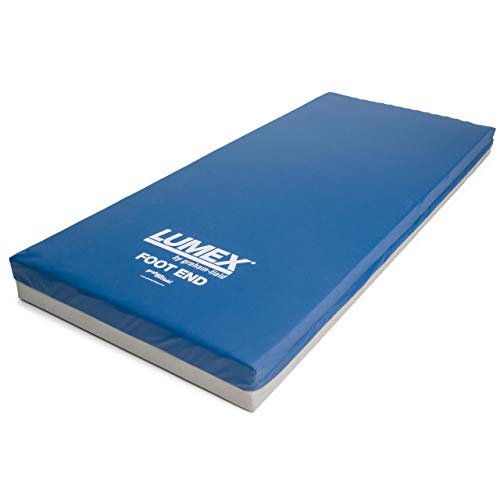
- ✓ Gentle body contour
- ✓ Easy to clean cover
- ✓ Good cooling
- ✕ Higher edge feel
- ✕ Limited bounce
| Mattress Dimensions (L x W x T) | 35 x 80 x 6 inches |
| Cover Material and Type | Durable vinyl and nylon zippered cover, fluid-resistant |
| Foam Construction | Two-layer premium foam with egg crate topper and 150+ air pockets for enhanced airflow |
| Mobility/Compatibility | Designed to work with adjustable power bases; suitable for elderly users and limited mobility |
| Delivery/Setup Method | Rolled and compressed for delivery; expands to original shape after unboxing |
| Care / Cleaning | Removable cover for cleaning; fluid-resistant surfaces designed to resist leaks |
You’re crying out for a good night’s rest, and this Lumex Select Twin XL mattress lands on the bed frame just as you’re wobbling into the room after a long day. You peel back the packaging, and the 6-inch profile feels surprisingly compact for a foam mattress.
As it unrolls, you notice the egg-crate topper and the two-layer foam give a soft initial give without sinking too far.
First thing you’ll feel is the way it cradles your hips and shoulders. The targeted support keeps your lower back aligned, which is a relief if you’ve spent years waking up with stiffness.
It’s designed to work with an adjustable base, so you’re not fighting the mattress when you elevate your head for late-night TV or easy reading.
The cooling feature isn’t just marketing fluff. Those 150+ air pockets really do help move heat away, so you don’t end up tossing sheets off at 2 a.m.
The vinyl-nylon cover is easy to wipe down, which is a win if you’re dealing with spills or accidental incontinence. It rolls up neatly for delivery and expands quickly, so you’re not waiting around for hours to use it.
In real-life use, you’ll notice the comfort layer responds well to shifts in position. It’s not overly firm, and it isn’t mushy either, which makes it a solid match for elderly users or anyone with limited mobility.
Cleaning is straightforward, and the price point under $200 makes it a practical choice for a hospital-style upgrade at home.
Overall, it feels sturdy, comfortable, and easy to care for. If you’re balancing comfort with practicality and a reasonable budget, this mattress is worth a look.
Drive Medical Med-Aire Low Air Loss Mattress Replacement

- ✓ Stable pressure maintenance
- ✓ Gentle head stability
- ✓ Breathable, moisture-reducing cover
- ✕ Limited portability
- ✕ Heavier setup
| Air Mattress Type | Low Air Loss Mattress Replacement System |
| Bladder Configuration | 20 replaceable 8-inch bladders with individual air cells |
| Pressurization & Monitoring | Automatic pressure monitoring with audible/visual alarm system |
| Cover & Surface Material | Vapor-permeable cover with shear friction reduction properties |
| Pressure Relief & Immersion | Targeted care with alternating pressure and enhanced head stability via built-in pillow feature |
| Dimensions & Weight Capacity (inferred) | Compatible with standard hospital bed surfaces; supports typical adult patient weight (inference based on medical mattress category) |
You notice the bed feels like a stubborn hill with a stubborn breeze—your patient slides, you chase the line between comfort and constant repositioning. Then the Drive Med-Aire mattress swaps that chaos for a stable, supportive plan.
The built-in 20 replaceable bladders inflate with a soft, patient rhythm, and you can hear the pump quietly maintaining pressure as you check the alarm light.
That pillow feature isn’t just for show—head stability matters, especially during long nights. You feel the surface stay snug without cradling too hard, and the vapor-permeable cover keeps moisture and heat from pooling under the shoulders and hips.
It’s tactile in a way that helps you trust the patient will stay comfortable without fuss.
Putting it on the bed, you notice the fabric’s grip and the bladder layout—each chamber seems to know exactly where to rise and where to soften. The automatic pressure monitoring and AV alarm give you a sense of security, so you’re not constantly guessing if the pressure is right.
It quietly tells you when it needs attention, and that reassurance is real.
In practice, you’ll reach for this when a patient needs consistent immersion without feeling trapped. The system minimizes air loss and shifts gently, reducing red marks and skin irritation over hours of use.
It’s simple enough to adjust midcare, yet sturdy enough to stay put through chores and turns.
Overall, it feels like a thoughtful blend of comfort and practicality. If you’re balancing risk, skin health, and caregiver workload, this mattress keeps you in the loop without becoming a distraction.
What Makes a Mattress Suitable for Medical Use?
A mattress suitable for medical use must provide specific features to ensure comfort, support, and hygiene for patients. The following factors are essential in determining the best medical mattress:
- Pressure Relief: A mattress designed for medical use should effectively distribute body weight to reduce pressure points. This is crucial for patients who are bedridden or have limited mobility, as it helps prevent bedsores and promotes skin integrity.
- Supportive Structure: The mattress must offer adequate support to maintain proper spinal alignment. A supportive structure can help reduce pain and discomfort, allowing patients to rest better and recover more efficiently.
- Hygienic Materials: Medical mattresses should be made from materials that are easy to clean and resistant to bacteria and allergens. This is important to maintain a sterile environment, especially for patients with compromised immune systems.
- Durability: Medical mattresses need to be durable enough to withstand regular use and cleaning. A high-quality mattress will retain its shape and support over time, reducing the need for frequent replacements.
- Temperature Regulation: A suitable medical mattress should have properties that help regulate body temperature, ensuring patient comfort during prolonged use. Materials that wick away moisture or provide cooling effects can enhance the sleeping experience for patients.
- Adjustable Features: Many medical mattresses come with adjustable firmness levels or the ability to elevate certain areas. This flexibility can accommodate different medical needs and preferences, enhancing comfort for patients in various positions.
- Weight Capacity: The mattress must be able to support the weight of the patient safely. It is important to select a mattress that can accommodate the individual’s weight without compromising its integrity or comfort.
What Are the Key Benefits of Medical Mattresses for Patients?
The key benefits of medical mattresses for patients include:
- Pressure Relief: Medical mattresses are designed to distribute body weight evenly, reducing pressure on sensitive areas. This is particularly important for patients with limited mobility, as it helps prevent bedsores and enhances overall comfort during extended periods of bed rest.
- Support and Alignment: These mattresses provide proper spinal alignment and support, which is crucial for patients recovering from surgery or those with chronic pain. A well-supported body can lead to reduced discomfort and promote better sleep quality.
- Temperature Regulation: Many medical mattresses feature materials that help regulate body temperature, maintaining a comfortable sleeping environment. This is beneficial for patients who may experience temperature fluctuations due to medications or medical conditions.
- Hygiene and Maintenance: Medical mattresses often come with antimicrobial properties and removable covers that are easy to clean. This ensures a hygienic sleeping surface, reducing the risk of infections and improving overall patient care.
- Enhanced Mobility: Certain types of medical mattresses, such as those with adjustable features, facilitate easier patient transfers and repositioning. This is particularly advantageous for caregivers, as it minimizes the risk of injury while assisting patients.
- Durability and Longevity: Medical mattresses are typically constructed with high-quality materials designed to withstand frequent use. This durability ensures that the mattress remains effective and comfortable over time, making it a cost-effective investment for healthcare facilities and home care settings.
How Do Medical Mattresses Improve Pressure Relief?
Medical mattresses are designed to improve pressure relief for patients who are at risk of developing pressure ulcers.
- Memory Foam: Memory foam mattresses contour to the body, distributing weight evenly and reducing pressure points. This material is known for its ability to absorb and disperse body heat, which further enhances comfort for patients who may be confined to bed for long periods.
- Gel-Infused Foam: Gel-infused foam combines the supportive qualities of memory foam with cooling gel technology. This mattress type helps regulate body temperature while providing excellent pressure relief, making it ideal for patients who experience discomfort from heat retention.
- Air-Adjustable Mattresses: These mattresses allow for customizable air pressure settings, enabling patients to find their ideal level of support. By adjusting the firmness, they can alleviate pressure on vulnerable areas, significantly reducing the risk of sores.
- Alternating Pressure Mattresses: These mattresses use a pump to alternately inflate and deflate air cells, creating a dynamic surface that promotes blood circulation. This movement helps prevent pressure buildup on the skin, making them particularly effective for high-risk patients.
- High-density Foam: High-density foam mattresses provide firm support that helps maintain spinal alignment while also offering sufficient cushioning. This combination minimizes the risk of pressure ulcers by ensuring that weight is distributed evenly across the surface.
Why Is Temperature Regulation Crucial in Medical Mattresses?
Research from the National Institutes of Health highlights that maintaining an optimal temperature can significantly enhance patient comfort and reduce the incidence of skin-related complications in bedridden patients (NIH, 2020). A study published in the Journal of Wound Care indicates that excessive heat can lead to increased moisture and skin maceration, which are risk factors for pressure ulcers (Jones et al., 2019).
The underlying mechanism of temperature regulation in medical mattresses involves the materials and technologies used in their construction. For instance, memory foam and gel-infused layers are designed to dissipate heat and provide a cooling effect, which helps in maintaining a stable microclimate. This stability is crucial because fluctuations in temperature can cause discomfort, leading to restlessness and, ultimately, decreased healing capabilities. Additionally, the use of breathable covers and moisture-wicking fabrics can further prevent overheating and promote a healthier sleeping environment, thereby facilitating better recovery for patients.
What Types of Medical Mattresses Are Available?
There are several types of medical mattresses designed to cater to various patient needs and conditions:
- Gel-Infused Mattresses: These mattresses feature a layer of gel that helps in temperature regulation and pressure relief. They are beneficial for patients who are at risk of developing bedsores as the gel conforms to the body, distributing weight evenly and reducing pressure points.
- Memory Foam Mattresses: Memory foam mattresses contour to the body shape, providing support and comfort while alleviating pressure. They are particularly suitable for individuals with limited mobility, as they help in preventing pressure ulcers and improving overall sleep quality.
- Air Mattresses: These mattresses use adjustable air cells that can be inflated or deflated to change firmness levels. They are ideal for patients with serious skin issues or those who require frequent repositioning, as they can be adjusted to provide optimal comfort and pressure relief.
- Hybrid Mattresses: Combining elements of both foam and innerspring mattresses, hybrid mattresses offer a balance of support and comfort. They are designed to provide adequate pressure relief while also maintaining good spinal alignment, making them suitable for a wide range of patients.
- Low Air Loss Mattresses: These specialized mattresses feature a system that continuously circulates air to maintain a cool and dry environment. They are particularly effective for patients with serious skin conditions or those who are at a high risk for pressure injuries, as they help in moisture control and reduce the risk of skin breakdown.
- Static Mattresses: Often made of foam or other materials, static mattresses provide a consistent level of support without any adjustable features. They are typically used for patients who are not at high risk for pressure sores and require basic comfort and support.
How Do Memory Foam and Gel Mattresses Compare in Medical Settings?
| Feature | Memory Foam | Gel Mattress |
|---|---|---|
| Comfort | Conforms to body shape, providing personalized support. | Offers a cool sensation and additional support layers for comfort. |
| Temperature Regulation | Tends to retain heat, may require cooling sheets. | Designed with gel to dissipate heat and maintain a cooler surface. |
| Pressure Relief | Excellent for reducing pressure points, beneficial for long-term bed rest. | Good pressure relief with added cooling properties for comfort. |
| Durability | Typically lasts 7-10 years with proper care. | Can be more durable due to high-quality gel layers, lasting up to 10 years. |
| Weight Distribution | Distributes body weight evenly, reducing strain on specific areas. | Supports weight distribution with gel layers that contour to the body. |
| Allergy Resistance | Generally resistant to dust mites and allergens, but can harbor bacteria if not maintained. | Often hypoallergenic, resisting mold and dust mites effectively. |
| Cost | Typically lower in price compared to gel mattresses. | Usually more expensive due to advanced materials and technology. |
What Advantages Do Air Mattresses Offer for Hospitalized Patients?
Air mattresses provide several advantages for hospitalized patients, particularly in terms of comfort and medical care.
- Pressure Relief: Air mattresses are designed to distribute weight evenly, which significantly reduces pressure points on the body. This is crucial for patients with limited mobility, as it helps prevent pressure ulcers and skin breakdown.
- Adjustable Firmness: Many air mattresses allow for customizable firmness settings, enabling healthcare providers to tailor support to the individual needs of each patient. This adaptability can enhance comfort and promote better sleep quality, which is essential for recovery.
- Improved Circulation: By continuously adjusting the air pressure, these mattresses can stimulate blood flow and enhance circulation. This feature is particularly beneficial for patients who are bedridden or recovering from surgery, as it helps in preventing complications associated with poor blood circulation.
- Hygiene and Maintenance: Air mattresses are often easier to clean and maintain compared to traditional mattresses. Their removable covers can be washed, which is vital in a hospital setting to prevent infections and maintain a sterile environment.
- Mobility Assistance: Some air mattresses come equipped with features that facilitate patient movement and repositioning. This can reduce the physical strain on nursing staff and ensure that patients are safely repositioned to maintain comfort and prevent complications.
Which Features Are Essential in Choosing a Medical Mattress?
When selecting the best medical mattress, several essential features must be considered to ensure proper support and comfort for users, particularly those with specific health needs.
- Pressure Relief: A mattress that provides excellent pressure relief is crucial for preventing bedsores and maintaining skin integrity. Materials like memory foam or gel-infused foam can help distribute body weight evenly, minimizing pressure points.
- Support and Alignment: The mattress should support the natural alignment of the spine to alleviate discomfort and prevent musculoskeletal issues. Look for mattresses that offer adequate firmness to support the body while still conforming to its shape.
- Breathability and Temperature Regulation: A breathable mattress helps regulate temperature, ensuring the user remains comfortable throughout the night. Features like ventilated foam or cooling gel layers can enhance airflow and wick away moisture.
- Durability: Medical mattresses need to withstand prolonged use, so selecting one made from high-quality materials ensures longevity and reduces the need for frequent replacements. High-density foam or latex materials are often more durable than traditional mattresses.
- Ease of Cleaning: Hygiene is a significant concern, especially for medical mattresses. Look for options with removable, washable covers or waterproof barriers that can be easily maintained to prevent the buildup of bacteria and allergens.
- Weight Capacity: It’s important to choose a mattress that can support the user’s weight safely. Check the manufacturer’s specifications to ensure that the mattress can accommodate the intended user without compromising support or comfort.
- Adjustability: Some medical mattresses offer adjustable features that allow users to customize their firmness or elevation. This can be particularly beneficial for patients with specific health conditions that require positional changes for comfort or therapeutic reasons.
Why Is Mattress Thickness Important for Patient Support?
Mattress thickness is important for patient support because it directly impacts comfort, pressure distribution, and spinal alignment, which are crucial for individuals with limited mobility or those recovering from surgery.
According to a study published in the Journal of Rehabilitation Research and Development, thicker mattresses generally provide better support and pressure relief, helping to prevent pressure ulcers and discomfort in patients who are bedridden (Chen et al., 2020). A mattress that is too thin may not effectively distribute body weight, leading to increased pressure on bony prominences and a higher risk of skin breakdown.
The underlying mechanism involves the interaction between the mattress material and the patient’s body. A thicker mattress often incorporates advanced foam or gel layers that enhance cushioning and support. These materials conform to the body’s shape, distributing weight more evenly and reducing pressure points. Furthermore, thicker mattresses can provide better spinal alignment, which is essential for patients with back pain or post-surgical recovery, as proper alignment aids in healing and reduces discomfort.
Additionally, research in the field of biomechanics shows that the right mattress thickness can significantly affect the biomechanics of sleep and rest. Thicker mattresses can absorb and dissipate forces more effectively, allowing for better movement and less strain on the body. This is particularly important for patients who may need to shift positions frequently to maintain comfort and prevent complications related to immobility.
What Safety Standards Must Medical Mattresses Meet?
The safety standards for medical mattresses ensure that they provide a safe and effective environment for patients.
- Fire Safety Standards: Medical mattresses must comply with specific fire safety regulations to minimize the risk of ignition and combustion. These standards typically include tests for flame resistance and the use of materials that do not easily catch fire, which is crucial in healthcare settings.
- Biocompatibility: The materials used in medical mattresses should be biocompatible, meaning they do not cause adverse reactions when in contact with human skin. This ensures that patients with sensitive skin or allergies can use the mattresses without risk of irritation or infection.
- Pressure Ulcer Prevention: Medical mattresses are often designed to prevent pressure ulcers, particularly for immobile patients. They must meet criteria that promote weight distribution and reduce pressure points, such as using advanced foam or air-filled technologies that adapt to the body’s contours.
- Moisture Control: These mattresses should include moisture-wicking properties to manage sweat and prevent skin breakdown. Standards require that the materials used effectively draw moisture away from the skin, reducing the risk of maceration and promoting patient comfort.
- Durability and Maintenance: Medical mattresses need to be durable and easy to clean to withstand frequent use and maintain hygiene standards. They should be made from materials that can endure regular disinfection and have resistance to tearing or puncturing.
- Non-Toxic Materials: The components of medical mattresses must be free from harmful substances and chemicals. This ensures that when patients come into contact with the mattress, they are not exposed to toxic materials that could affect their health.
- Regulatory Compliance: Medical mattresses must comply with various regulations set by health authorities, such as the FDA in the United States or similar organizations in other countries. These regulations cover everything from manufacturing processes to product labeling, ensuring that all medical mattresses are safe for patient use.
How Can You Maintain the Quality and Longevity of a Medical Mattress?
To maintain the quality and longevity of a medical mattress, several key practices should be followed:
- Regular Cleaning: Keeping the mattress clean is essential for hygiene and durability. Use a mild detergent and warm water to wipe down surfaces, and avoid harsh chemicals that can degrade materials.
- Proper Support: Ensure that the mattress is placed on a suitable foundation that provides adequate support. A proper base not only extends the life of the mattress but also enhances comfort and prevents sagging.
- Rotation and Flipping: Regularly rotating or flipping the mattress can help distribute wear evenly. This practice prevents uneven compression and maintains its shape and support over time.
- Use of Mattress Protectors: Employing a high-quality waterproof mattress protector can shield the mattress from spills, stains, and allergens. This barrier can significantly reduce wear and tear while making cleaning easier.
- Monitoring for Wear and Tear: Regularly inspect the mattress for any signs of damage such as sagging, tears, or loss of support. Addressing these issues promptly can help maintain its quality and prevent further deterioration.
What Cleaning Guidelines Should You Follow for Medical Mattresses?
When caring for medical mattresses, it is crucial to follow specific cleaning guidelines to ensure hygiene and longevity.
- Use Non-toxic Cleaning Solutions: Opt for cleaning products that are safe and non-toxic to prevent any adverse reactions for patients with sensitivities.
- Regular Disinfection: Frequently disinfect the mattress surface using appropriate disinfectants to eliminate bacteria and viruses, especially in healthcare settings.
- Follow Manufacturer Instructions: Always adhere to the cleaning and maintenance instructions provided by the mattress manufacturer to avoid damaging the materials.
- Dry Properly: Ensure that any moisture is removed from the mattress after cleaning to prevent mold and mildew growth, which can compromise hygiene and patient safety.
- Check for Damage: Regularly inspect the mattress for any signs of wear and tear, as damaged areas can harbor bacteria and affect the mattress’s effectiveness.
- Utilize Protective Covers: Use waterproof and breathable covers to protect the mattress from spills and bodily fluids, facilitating easier cleaning and maintenance.
Using non-toxic cleaning solutions ensures that you maintain a safe environment for patients, particularly those who may have allergies or respiratory issues. These solutions can effectively clean the surface without leaving harmful residues.
Regular disinfection is essential in medical settings where infections can spread easily. Utilizing hospital-grade disinfectants can significantly reduce the risk of cross-contamination and help maintain a sterile environment.
Following the manufacturer instructions is vital because different materials may require specific cleaning methods or products. Ignoring these guidelines can lead to damage and void warranties.
After cleaning, it is important to dry the mattress thoroughly. Moisture can lead to the growth of mold and mildew, which can cause health issues and compromise the integrity of the mattress.
Checking for damage should be a routine part of mattress maintenance. Any tears or punctures can harbor bacteria and reduce the efficacy of the mattress in providing support and comfort.
Utilizing protective covers is a proactive approach to safeguarding the mattress. These covers not only make cleaning easier but also extend the lifespan of the mattress by preventing damage from fluids and spills.
Related Post: