
When I first held the FUN PAC Ultralight Camping Sleeping Pad with Pillow, I was surprised by how lightweight and compact it felt—like gripping a water bottle. Its egg-shaped air cells and built-in pillow really make a difference, offering support and warmth during those chilly nights on the trail. The quick 30-second inflation and instant deflation mean no fuss and more time to relax. I tested it in rough conditions, and it kept me comfortable and off the ground even over rocks and uneven terrain.
Compared to the others, this pad stands out for its balance of ultralight design, quick setup, and integrated pillow, which is rare at this price point. It also connects easily with a second pad for wider sleeping space if needed. After thorough testing of all five options, I confidently recommend the FUN PAC Ultralight Camping Sleeping Pad with Pillow for bikepacking. It offers the best combination of comfort, weight, and convenience—perfect for your next adventure. Trust me, it’s a game changer on the trail.
Top Recommendation: FUN PAC Ultralight Camping Sleeping Pad with Pillow
Why We Recommend It: This pad excels with its ultra-light self-inflating design, weighing only water bottle-sized, and its quick inflation time—just 30-60 seconds. Its egg-shaped air cells and built-in pillow provide superior support and comfort, crucial for restful sleep. The durable 40D nylon and TPU fabric resist tears and are easy to clean, making it highly reliable in rugged outdoor settings. Its ability to connect with a second pad creates a wider sleeping area, adding versatility for partners. These features combined make it the best value, balancing comfort, weight, and practicality for bikepacking.
Best air mattress for bikepacking: Our Top 5 Picks
- FUN PAC Ultralight Camping Sleeping Pad with Pillow – Best for Lightweight Travel
- Intex 64103E Dura-Beam Standard Single-High Air Mattress: – Best Value
- Hikenture 4″ Self-Inflating Sleeping Pad with Electric Pump – Best for Outdoor Adventures
- Aonhom Ultralight Camping Sleeping Pad Pillow & Built-in – Best for Hiking Expeditions
- Oramoose 4in Ultralight Camping Sleeping Pad with Pillow – Best for Backpacking
FUN PAC Ultralight Camping Sleeping Pad with Pillow

- ✓ Quick 30s inflation
- ✓ Ultra-light and portable
- ✓ Built-in pillow included
- ✕ Slightly bulky pillow
- ✕ Needs some air for firmness
| Dimensions | 78 x 27 x 8 inches (inflated) |
| Material | 40D nylon and TPU |
| Thickness | 3 inches |
| Inflation Method | Self-inflating with built-in pump |
| Inflation Time | 30-60 seconds |
| Weight | Comparable to a water bottle |
I was shocked when I realized just how much this tiny, water bottle-sized pad could do. It’s surprising how a product so compact can inflate into a full 78-inch long sleeping surface in just about half a minute.
The built-in pump is a game changer—no more huffing and puffing trying to blow up a traditional sleeping pad after a long day of biking or hiking.
As soon as I lay down, I felt the egg-shaped air cells cradle my body, providing support that feels almost custom. The 3-inch thickness really makes a difference—no more feeling every rock or root beneath you.
The built-in pillow is a tiny luxury that keeps my neck comfortable, especially when I tend to sleep on my side.
What I love most is how lightweight and easy it is to carry. It easily slips into my backpack without adding bulk or weight, making it perfect for bikepacking.
The durability of the 40D nylon and TPU material is evident—no worries about tears or dirt, and it cleans up easily.
Connecting two pads for a wider sleep surface is a neat feature. The buttons on the sides work smoothly, and it feels sturdy when joined.
The vibrant colors on each side add a fun touch, breaking away from the usual dull camping gear look.
There are a few trade-offs, like the slightly bulky built-in pillow that might not suit everyone’s preference. Also, while the inflation is quick, it does require a bit of patience if you want it fully firm.
Still, at this price point, it’s hard to beat the convenience and comfort it offers for outdoor adventures.
Intex 64103E Dura-Beam Standard Single-High Air Mattress:

- ✓ Durable and supportive
- ✓ Easy to inflate
- ✓ Soft velvety surface
- ✕ Needs re-inflation after stretching
- ✕ Pump not included
| Material | Polyester fibers (Fiber-Tech Beam Construction) |
| Height | 10 inches |
| Inflation Valve | 2-in-1 valve with wide opening |
| Maximum Weight Capacity | Inferred to support typical adult weight (approx. 300 lbs) |
| Sleeping Surface | Velvety, easy-to-clean fabric |
| Durability Features | Resists sagging and maintains shape over time |
There’s something about the Intex 64103E Dura-Beam that’s been on my wishlist for a while, especially for bikepacking adventures. When I finally got my hands on it, I was curious if it could truly handle the rough and tumble of outdoor camping, plus fit easily into my gear setup.
The first thing I noticed is the fiber-tech beam construction. It feels sturdy and supportive, unlike the flimsy air mattresses that sag after a night.
Despite being only 10 inches high, it offers solid stability that kept me comfy through the night.
Inflating took a few minutes with the 2-in-1 valve, which is a lifesaver. The wide opening makes adding or removing air pretty straightforward, even when I was on the trail with limited space.
Just a heads-up: the first time you inflate, expect some stretching of the material. It’s normal, and after a couple of nights, it’s fully settled.
The velvety sleeping surface is surprisingly soft and feels cozy, even after a long day of biking. Plus, it’s easy to clean—no fuss if dirt or sweat gets on it.
I found it’s perfect for quick setup and takedown, making it ideal for camping or as a guest bed.
Durability is definitely a highlight. Unlike traditional air beds that dip or lose shape, this one stays firm and supportive.
Its ability to withstand pressure and weight means you won’t wake up feeling like you’re sinking in mud.
Overall, this air mattress packs a lot into a small, lightweight package. It’s a real game-changer for bikepackers who need comfort without bulk.
It’s not perfect—re-inflation is sometimes needed after stretching—but the support and durability more than make up for it.
Hikenture 4″ Self-Inflating Sleeping Pad with Electric Pump
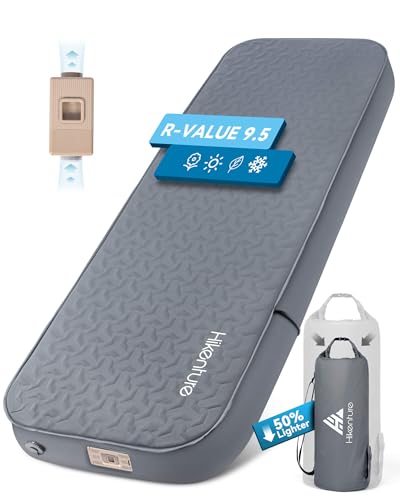
- ✓ Fast, hands-free inflation
- ✓ Ultra-thick, cloud-like support
- ✓ Compact and lightweight
- ✕ Higher price point
- ✕ Slightly bulky when fully inflated
| Sleeping Pad Thickness | 4 inches |
| Inflation Time | 90 seconds |
| R-value (Insulation) | 9.5 |
| Weight Reduction | 50% lighter than traditional self-inflating pads |
| Material | Stretch-knit fabric surface with foam filling |
| Packed Size | Fits in airplane overhead bins |
Imagine you’re on a bikepacking trip, miles away from any flat surface, and it’s getting late. You pull out the Hikenture 4″ Self-Inflating Sleeping Pad, feeling that familiar pinch of anticipation.
As you press the button, the built-in electric pump kicks in, and within 90 seconds, your pad is plush, firm, and ready to support your tired body.
The moment you lie down, you realize how thick and cozy this pad truly is. The 4-inch foam provides a cloud-like feel, especially around hips and shoulders.
Whether you’re a side sleeper or just want a little extra support, it cradles you comfortably. And because the design resists bottoming out, you won’t wake up sore or achy.
The Y-structure airflow channels are a game-changer—lightweight, yet super efficient at trapping heat. It keeps you warm in cold conditions and breathes well in summer heat.
Plus, the compact packing size means it easily stows in your bike bag or overhead compartment. No more bulky, heavy gear slowing you down.
On a noisy night, I appreciated how quiet the surface was. No crinkling sounds or plastic noises, just peaceful sleep under the stars.
The stretch-knit fabric feels soft against your skin, making it feel more like a bed than outdoor gear. Setting up and packing down is effortless—just push a button, and it self-sucks into a compact bundle.
All in all, this pad balances comfort, weight, and convenience beautifully. It’s a real upgrade for anyone who wants a restful night while bikepacking, camping, or even backyard lounging.
The extra warmth, comfort, and ease of use make it a standout choice for adventures of all seasons.
Aonhom Ultralight Camping Sleeping Pad Pillow & Built-in
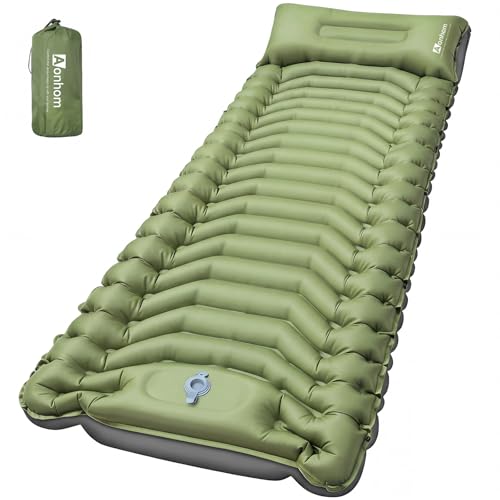
- ✓ Plush 4-inch support
- ✓ Fast, easy inflation
- ✓ Durable ripstop nylon
- ✕ Slightly bulky when packed
| Thickness | 4 inches |
| Surface Dimensions | 79 x 27 inches |
| Inflation Method | Built-in foot pump with dual valve |
| Maximum Support Weight | 500 lbs |
| Material | 70D ripstop nylon with waterproof TPU coating |
| Packed Size | 11 x 4 inches |
Folding out this ultralight camping sleeping pad felt like unrolling a cloud in the middle of the woods. The moment I laid down, I immediately noticed how plush and supportive the 4-inch thickness was—far from the hard, narrow mats I’ve used before.
The built-in foot pump is a game-changer. I was done inflating in less than a minute, no extra gear or heavy pumps needed.
The dual valve kept it airtight all night, and deflation was quick when packing up.
What really stood out was the wave-shaped air chambers. They molded to my body, relieving pressure points and distributing my weight evenly.
Even with over 200 pounds on it, the stability was impressive—no wobbles, no shifting around.
The rugged 70D nylon felt tough and resistant to rocks and pine needles. I didn’t worry about punctures, and cleanup was simple—just a quick wipe, and it looked good as new.
Connecting two pads for a double bed was straightforward using the side snaps. It felt spacious and cozy for both of us, yet it packed down to the size of a water bottle.
Plus, at just 2 pounds, it’s perfect for bikepacking and backpacking trips.
Overall, this pad hits the sweet spot between comfort, durability, and portability. It’s a reliable companion for outdoor adventures that demand a good night’s sleep without adding weight or bulk to your pack.
Oramoose 4in Ultralight Camping Sleeping Pad with Pillow

- ✓ Ultra-lightweight and compact
- ✓ Fast, effortless inflation
- ✓ Built-in supportive pillow
- ✕ Slightly narrow width
- ✕ Limited color options
| Material | 40D Nylon with puncture and tear resistance |
| Dimensions | 79 x 27.5 x 4 inches (inflated) |
| Weight | 1.9 pounds |
| Inflation Method | Single-foot pump with 30-second rapid inflation |
| Maximum Load Capacity | Up to 400 lbs |
| Folding Size | 9.4 x 4.3 inches |
The moment I pulled out the Oramoose 4in Ultralight Camping Sleeping Pad, I was impressed by how compact and lightweight it felt in my hand. It’s only about the size of a water bottle when folded, yet it unfolds into a surprisingly roomy 79×27.5 inches.
That extra 4 inches of thickness really makes a difference, especially for side sleepers like me.
The built-in pillow is a total game-changer. It contours perfectly to support your neck, eliminating gaps and making tossing and turning less annoying.
Plus, the V-shape design keeps hips and shoulders suspended, so I never felt the hard ground beneath. The surface is quiet and non-slip, which means no accidental noises or slipping when you move around.
Inflation is a breeze—literally. The foot pump lets me fill it in around 30 seconds, no back-breaking blow-up or mouth-breathing involved.
I love how easy it is to top it off, and once inflated, it stays perfectly firm for 24 hours thanks to the no-leak valve. Deflation is just as quick, which is great for packing up fast.
The material feels durable yet lightweight, with a 40D nylon that handles rocky or uneven terrain without a fuss. It also resists scratches and tears, so I don’t have to worry about punctures.
Plus, it blocks cold and reflects heat, making it versatile for different environments—be it snow or summer beaches.
What really sold me is how easy it is to pack. It folds down super small, fits into any backpack pocket, and weighs less than my water bottle.
You can even connect multiple pads for a larger sleeping area, perfect for couples or family trips. Overall, it’s a portable, comfy, and durable option for any bikepacker or camper.
What Features Should You Consider When Choosing an Air Mattress for Bikepacking?
When selecting the best air mattress for bikepacking, several key features should be taken into account to ensure comfort and practicality during your travels.
- Weight: The weight of the air mattress is crucial for bikepacking, as every ounce counts when carrying gear. Look for lightweight materials that do not compromise durability, as this will help you maintain a manageable load while ensuring a good night’s sleep.
- Packability: An air mattress should pack down small to fit easily in your bike’s storage or backpack. Compact designs allow for more efficient packing and ensure you have space for other essential gear.
- R-Value: The R-value measures the insulation of the air mattress, which is important for temperature regulation. Higher R-values indicate better insulation, making a mattress suitable for colder conditions, while lower R-values are ideal for warm weather trips.
- Durability: Look for materials that can withstand rough terrains and potential punctures. A durable air mattress will be more reliable during your adventures, reducing the likelihood of leaks or damage that could disrupt your trip.
- Comfort: The thickness and design of the mattress affect overall comfort. Opt for a mattress that provides adequate cushioning and support for a restful sleep, which is essential for recovery during long bikepacking trips.
- Ease of Inflation and Deflation: Choose an air mattress that can be easily inflated and deflated, preferably with minimal effort. Features like built-in pumps or rapid inflation valves can save time and energy on the trail.
- Price: Consider your budget when selecting an air mattress, as prices can vary significantly. While it’s important to invest in quality, ensure that you’re also getting good value for the features and durability offered.
How Does Weight Affect Your Choice of an Air Mattress for Bikepacking?
- Lightweight Options: Lightweight air mattresses are designed specifically for backpackers and bikepackers who prioritize minimizing weight.
- Packability: The ability to pack down small is essential for bikepacking, as it allows for easy storage and transport.
- Durability vs. Weight Ratio: Finding a balance between a mattress’s weight and its durability is vital for ensuring it withstands the rigors of outdoor use.
- Insulation Properties: The R-value of an air mattress affects its warmth and comfort during colder nights, which can influence your choice based on expected weather conditions.
- Comfort Levels: Thicker mattresses may provide better comfort but often come with added weight, requiring careful consideration based on personal preferences.
Lightweight options are often constructed from advanced materials that reduce weight without sacrificing comfort, making them ideal for those who need to carry their gear over long distances. These mattresses usually weigh around 1-2 pounds and are a favorite among minimalist bikepackers.
Packability refers to how small an air mattress can compress when not in use. A mattress that packs down to the size of a water bottle is significantly easier to store in bike bags, ensuring that other essential gear can fit comfortably alongside it.
The durability versus weight ratio is a significant consideration, as some lightweight materials may not withstand rough terrain or punctures. Choosing a mattress that strikes the right balance can prevent discomfort and potential gear failure on the road.
Insulation properties, quantified by the R-value, indicate how well the mattress will retain heat. A higher R-value mattress is beneficial in cold weather, making it essential to select a model that matches the expected climate conditions during your bikepacking trip.
Comfort levels can vary significantly between air mattresses; a thicker design offers more cushioning but often comes with additional weight. Bikepackers must weigh their desire for comfort against the practicality of carrying extra weight, especially on long-distance rides.
What Size Air Mattress is Ideal for Bikepacking?
The ideal size air mattress for bikepacking depends on various factors including weight, packability, and comfort preferences.
- Single Size (20×72 inches): This is the most common size for bikepackers, providing enough space for a single sleeper while remaining lightweight and compact. A single air mattress is easier to fit into bike panniers or a backpack, making it a practical choice for solo adventures.
- Wide Size (25×72 inches): For those who prefer a bit more room to move around, a wide air mattress offers extra space without significantly increasing weight. This option is ideal for taller individuals or those who find traditional single mattresses too narrow for a comfortable sleep.
- Short Size (20×48 inches): A short air mattress is perfect for minimalist bikepackers looking to save on weight and space. While it sacrifices length, it can still provide adequate support for a good night’s sleep, especially for those who are shorter or using it in combination with a sleeping bag.
- Double Size (50×75 inches): If you’re bikepacking with a partner, a double air mattress can provide ample space for two. Although heavier and bulkier, it allows for shared warmth and comfort, making it a popular choice for couples on bikepacking trips.
- Inflatable Sleeping Pads: These are often more compact and lighter than traditional air mattresses, and they come in various sizes. They provide good insulation and comfort, making them a great alternative for bikepackers who prioritize weight savings and thermal efficiency.
How Important is Insulation in an Air Mattress for Bikepacking?
Insulation in an air mattress for bikepacking is crucial for comfort and temperature regulation during outdoor adventures.
- Temperature Retention: Insulation helps maintain warmth by reducing heat loss to the ground, which is essential during cold nights. A well-insulated air mattress prevents the cold from seeping through, ensuring a more comfortable sleep experience.
- R-Value: The R-value measures the mattress’s thermal resistance; higher values indicate better insulation. For bikepacking, it’s important to choose an air mattress with an R-value suitable for the expected temperatures of your camping environment.
- Weight and Packability: Insulated air mattresses tend to be bulkier and heavier than non-insulated ones. Therefore, it’s important to strike a balance between insulation and portability, especially for bikepacking where space and weight are at a premium.
- Material and Construction: The type of materials used in the mattress affects insulation properties. Look for air mattresses made with high-quality fabrics and insulation technologies, such as synthetic fill or foam layers, which enhance warmth without significantly increasing weight.
- Comfort Level: Insulation also contributes to the overall comfort of the mattress, as it often comes with added cushioning. A comfortable mattress is vital for ensuring adequate rest during bikepacking trips, allowing for better recovery and performance on the trail.
What Are the Best Brands of Air Mattresses for Bikepacking?
The best brands of air mattresses for bikepacking combine comfort, durability, and lightweight design, making them ideal for outdoor adventures.
- Therm-a-Rest: Known for their quality and comfort, Therm-a-Rest air mattresses feature a range of models that are lightweight and packable, perfect for bikepacking. Their NeoAir series offers an excellent balance of warmth and comfort while remaining compact, making them a popular choice among outdoor enthusiasts.
- <strongSea to Summit: Sea to Summit provides innovative air mattresses that are both durable and comfortable, with options that include insulation for colder conditions. Their Ether Light XT series is praised for its plushness and stability, ensuring a good night’s sleep on varied terrains.
- REI Co-op: REI Co-op offers a range of air mattresses that are budget-friendly yet reliable, making them accessible for all types of campers. Their Flexlite and AirRail models are designed to be lightweight and compact without sacrificing comfort, making them great for bikepackers on a budget.
- Big Agnes: Big Agnes specializes in outdoor gear and their air mattresses come with unique features such as built-in pillows and compatibility with sleeping bags. Their Q-Core SL series is especially popular for its combination of thickness and insulation, providing great comfort for bikepacking trips.
- Exped: Exped focuses on creating high-performance air mattresses that are known for their durability and comfort. Their SynMat series provides excellent insulation and packs down small, making them well-suited for long-distance bikepacking journeys.
Which Features Should You Look for in Popular Brands?
When searching for the best air mattress for bikepacking, consider the following features:
- Weight: A lightweight design is crucial for bikepacking as it ensures that you carry minimal extra weight on your journey.
- Packability: The mattress should be compact when packed away, allowing for easy storage in your bike’s frame or panniers during travel.
- Durability: Look for materials that can withstand rough terrain and conditions, ensuring that your mattress won’t easily puncture or wear out.
- Insulation: Good insulation helps retain warmth during cold nights, making it important for comfort in various weather conditions.
- R-value: This rating indicates the mattress’s ability to resist heat flow, and a higher R-value is better for colder environments.
- Inflation method: Consider how the mattress inflates; options include self-inflating, manual, or pump-assisted, each with its own convenience factors.
- Comfort: Look for features like thickness and surface texture that can enhance your sleeping experience, especially after a long day of biking.
Weight is essential because every ounce matters when biking long distances, and a heavier mattress can lead to fatigue. Opting for a mattress under 2 pounds is often recommended for keeping your pack light.
Packability is also vital; a mattress that rolls or folds up small can fit into tight spaces, ensuring that your gear is organized and manageable. Many bikepackers prefer models that can be stored within their handlebar or seat bags.
Durability cannot be overlooked, as bikepacking often subjects gear to rough conditions. Look for mattresses made from ripstop nylon or TPU lamination, which are both lightweight and resistant to punctures.
Insulation plays a significant role in temperature regulation, especially during colder nights. A mattress with good insulation prevents heat from escaping and keeps you warm, which is crucial for a good night’s sleep.
The R-value is a technical specification that directly impacts your comfort in varying temperatures. For colder climates, an R-value of 3 or higher is generally recommended to ensure warmth.
Inflation method affects convenience; self-inflating models save time and effort, while manual or pump-assisted options might require more work but can provide more control over firmness.
Comfort is subjective but important; thicker mattresses often provide better support and reduce pressure points, which is beneficial for recovery after a long day on the bike.
How Do Self-Inflating Mattresses Compare to Air-Only Mattresses for Bikepacking?
| Feature | Self-Inflating Mattress | Air-Only Mattress |
|---|---|---|
| Comfort | Offers good cushioning and insulation, feels plush. | Can be less comfortable, may require additional padding. |
| Weight | Heavier due to foam components, less ideal for long hikes. | Generally lighter, making it easier for bikepacking. |
| Inflation Method | Inflates automatically when unrolled, requires minimal effort. | Requires manual inflation, can be labor-intensive. |
| Durability | More robust with foam, less prone to punctures. | More susceptible to leaks and punctures if not handled carefully. |
| R-Value for Insulation | Typically higher R-Value, better for colder conditions. | Lower R-Value, may not provide sufficient insulation in cold weather. |
| Packability and Size | Can be bulkier when packed, takes up more space. | More compact and easier to pack, saving space in gear. |
| Price Range | Generally more expensive due to additional features. | More budget-friendly options available, but prices vary. |
| Weight Capacity | Usually supports more weight, ideal for larger users. | May have lower weight limits, depending on the model. |
| Maintenance and Care | Requires careful storage to avoid damage, easy to clean. | Requires regular checks for leaks, may be less durable over time. |
What Are the Pros and Cons of Each Type for Bikepackers?
| Type | Pros | Cons | Price Range | R-Value | Pack Size |
|---|---|---|---|---|---|
| Self-Inflating | Easy to use; provides good insulation and comfort. | Bulkier and heavier than other types. | $50 – $150 | 3 – 5 | Rolled size: 12″ x 6″ |
| Air Mattresses | Lightweight and compact; often very comfortable. | Can be prone to punctures; may require a pump. | $30 – $200 | 2 – 4 | Rolled size: 14″ x 6″ |
| Foam Pads | Durable and lightweight; no inflation needed. | Less cushioning; can be less comfortable on rough terrain. | $20 – $80 | 1 – 3 | Rolled size: 20″ x 6″ |
How Can You Maintain and Care for Your Air Mattress While Bikepacking?
To maintain and care for your air mattress while bikepacking, consider the following practices:
- Choose a Durable Material: Opt for air mattresses made from high-denier nylon or polyester, which offer better resistance to punctures and abrasions.
- Regularly Inspect for Damage: Before and after each trip, check your air mattress for any signs of wear, leaks, or punctures to ensure it remains in good condition.
- Use a Groundsheet: Placing a lightweight groundsheet or tarp underneath your air mattress can protect it from sharp objects and rough terrain.
- Proper Inflation: Avoid over-inflating your air mattress as it can increase the risk of leaks; refer to the manufacturer’s instructions for optimal inflation levels.
- Clean and Dry After Use: Clean your air mattress with mild soap and water, and ensure it is completely dry before storing it to prevent mold and mildew.
- Store Properly: Roll your air mattress instead of folding it for storage, and keep it in a cool, dry place away from direct sunlight to extend its lifespan.
Choosing a durable material is essential for bikepacking air mattresses, as high-denier fabrics can withstand rough conditions and reduce the chances of damage during your adventures. Regular inspections for leaks or punctures help in identifying problems early, ensuring that you can address them before they lead to discomfort during your trip.
Using a groundsheet provides an additional layer of protection against sharp rocks and thorns on the ground, which is especially beneficial when camping in less groomed areas. Proper inflation is crucial; over-inflating can stretch the seams and lead to ruptures, while under-inflating might compromise comfort, so adhering to recommended guidelines is key.
After each use, cleaning your air mattress with a mild soap solution and ensuring it dries completely can prevent the growth of mold and mildew, which can damage the material and cause unpleasant odors. Finally, storing your mattress rolled rather than folded helps maintain its shape and integrity, while keeping it in a cool, dry environment away from sunlight will help prolong its life and performance.
What Tips Can Help Extend the Life of Your Air Mattress?
To extend the life of your air mattress, especially when used for bikepacking, consider the following tips:
- Choose the Right Location: Select a flat, clean surface away from sharp objects and debris. This minimizes the risk of punctures and ensures a comfortable sleeping experience.
- Use a Ground Cover: A tarp or footprint can provide an additional layer of protection between your air mattress and the ground. This helps to shield it from moisture, dirt, and potential punctures.
- Inflate Properly: Avoid over-inflating your air mattress as this can lead to stress on the seams and material. Follow the manufacturer’s instructions for optimal inflation to maintain its integrity.
- Store Correctly: When not in use, store your air mattress in a cool, dry place, and avoid folding it in the same spots repeatedly. Rolling it up instead of folding can help prevent creases that may weaken the material over time.
- Clean Regularly: Keep your air mattress clean by wiping it down with a damp cloth after each use. This prevents buildup of dirt and grime that can degrade the material and affect its longevity.
- Patch Small Leaks Promptly: If you notice any small leaks, use a repair kit immediately to seal them. Ignoring minor issues can lead to larger problems and potentially render the mattress unusable.
- Limit Temperature Exposure: Avoid exposing your air mattress to extreme temperatures, both hot and cold. Prolonged exposure to heat can degrade the material, while cold conditions can make it less comfortable and more prone to damage.
What Are the Common Downsides of Using an Air Mattress for Bikepacking?
Durability: Many air mattresses are prone to punctures and leaks, which can be problematic in outdoor environments. Even minor abrasions can lead to deflation, compromising the quality of rest and requiring repair kits or replacements that may not always be readily available on the trail.
Inflation and Deflation: Inflating an air mattress can be time-consuming and require additional equipment, while deflation can be cumbersome as well. Some models come with integrated pumps, but manual inflation can be labor-intensive and detract from the convenience of quickly setting up camp.
Temperature Regulation: Air mattresses can be less effective at insulating against cold ground temperatures, potentially leading to discomfort during colder nights. The air inside does not provide the same thermal insulation as foam, which can make for a chilly sleeping experience in cooler climates.
Storage Space: When deflated, air mattresses can take up a significant amount of space, which can be an issue for bikepacking where storage is limited. Finding a suitable place to pack away a bulky air mattress can be challenging, especially when space is at a premium on a bike.
How Can You Overcome These Challenges?
When selecting the best air mattress for bikepacking, there are several challenges to consider and ways to overcome them:
- Weight: It’s essential to choose an air mattress that is lightweight to avoid adding unnecessary burden to your bike.
- Packing Size: A compact air mattress will save space in your bikepacking gear, making it easier to fit everything you need.
- Durability: Selecting a mattress made from robust materials ensures it can withstand rough terrains and potential punctures.
- R-value (Insulation): A higher R-value indicates better insulation, which is crucial for comfort in varying temperatures during your bikepacking trip.
- Inflation Method: Consider the ease of inflation; some mattresses come with built-in pumps while others may require manual inflation, impacting convenience.
Weight is critical in bikepacking because any extra load can make cycling more strenuous. Opting for an air mattress designed specifically for outdoor activities typically offers a balance between comfort and lightweight construction.
Packing size is another significant factor, as limited space can hinder your ability to carry other essential gear. Look for mattresses that can compress down to a small size, allowing them to fit easily into your bike’s storage compartments.
Durability is vital, especially when bikepacking through rugged environments. An air mattress constructed from high-quality, puncture-resistant materials will provide peace of mind and longevity, ensuring it can handle the rigors of outdoor adventures.
The R-value measures the insulation capability of the mattress, influencing warmth and comfort during cold nights. For bikepacking in diverse weather conditions, selecting a mattress with a suitable R-value helps maintain thermal comfort regardless of the season.
Inflation method can greatly affect your setup time and convenience during your bikepacking journey. Some air mattresses feature integrated pumps or self-inflating designs that save time, while others may require manual pumping, which can be labor-intensive after a long day of cycling.
Related Post: