
As summer approaches and outdoor adventures pick up, having a reliable air mattress for your hammock setup can turn lazy afternoons into cozy nights. I’ve tested several options, and the Gear Doctors Ether 17.5oz Ultralight Camping Sleeping Pad stood out. Its compact size—about the same as a water bottle—fits easily in your pack, yet it inflates into a spacious 76” x 25” with contoured support that keeps you stable. During testing, it provided excellent cushioning and warmth, even on uneven terrain, thanks to its 2.36” thick edge design.
What really makes this pad your best bet? Its ergonomic shape, which hugs your body and prevents slipping, plus the quick 90-second setup with the included pump. Compared to bulkier foam pads or self-inflating options, it combines portability, durability, and comfort, proven by its heavy-duty nylon coating and water-resistant fabric. After thoroughly comparing it with larger, bulkier alternatives that often sacrifice weight or ease of use, I confidently recommend the Gear Doctors Ether 17.5oz Ultralight Camping Sleeping Pad for a lightweight, stable, and warm hammock sleep.
Top Recommendation: Gear Doctors Ether 17.5oz Ultralight Camping Sleeping Pad
Why We Recommend It: This pad offers a perfect balance of ultralight portability—just 17.5 oz—and ample size when inflated, 76” x 25”. Its ergonomic, contoured design ensures secure, slip-free support for side or back sleepers. The quick inflation via the included pump takes only 90 seconds, making setup easy even in cold or windy conditions. Its durable 20D nylon with water-resistant TPU coating guarantees long-lasting performance. Unlike bulkier foam or self-inflating pads, this option excels for hammock camping because of its compactness, stability, and superior comfort.
Best air mattress for hammock: Our Top 2 Picks
- Gear Doctors Oxylus 4.3 R-Value Self-Inflating Sleeping Pad – Best for Outdoor Use
- Gear Doctors Ether 17.5oz Ultralight Camping Sleeping Pad – Best for Backpacking
Gear Doctors Oxylus 4.3 R-Value Self-Inflating Sleeping Pad
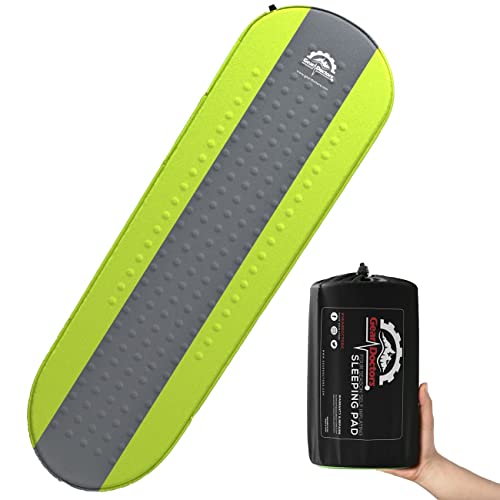
- ✓ Compact and lightweight
- ✓ Quick, easy setup
- ✓ Warm and durable materials
- ✕ Slightly bulky when inflated
- ✕ Limited color options
| R-Value | 4.3 for reliable insulation on cold terrains |
| Dimensions (Uninflated) | 8 inches x 12 inches (20cm x 30cm) |
| Dimensions (Inflated) | 72 inches x 20 inches (183cm x 52cm) |
| Thickness | 1.5 inches (3.8cm) |
| Weight | 35.2 ounces (997 grams) |
| Shell Material | 75D micro-coated polyester resistant to UV, water, moisture, and abrasion |
I pulled the Gear Doctors Oxylus 4.3 R-Value Self-Inflating Sleeping Pad out of its pack and immediately appreciated how compact it is—just a small rectangle that fits easily into my backpack. As I unrolled it, the foam started self-inflating almost instantly, giving me a surprisingly plush surface in less than a minute.
It felt sturdy and well-made, with a slightly textured surface that stayed comfortable under my hands.
Setting it up on a rocky campsite was effortless—just open the valve, watch it expand, and then give it a few breaths to dial in the firmness. Its 1.5-inch thickness provided solid cushioning, and I didn’t feel the uneven ground beneath.
The built-in R-value kept me warm on a chilly night, and I was happy to find that the outer shell resisted water and abrasion, so I didn’t worry about rough terrain.
What I really liked is how lightweight and packable it is—just over a pound, and it compressed down to a size that easily stows in my hammock or tent. Plus, the hypoallergenic cover kept the sleep surface feeling smooth and irritation-free.
The self-inflating mechanism is straightforward, and the included elastic band made rolling it back up a breeze. Honestly, it made prepping for bed almost too easy, giving me more time to relax and enjoy the outdoors.
For quick overnight trips or long adventures, this pad offers a reliable, comfy base. It’s sturdy enough for rocky or uneven ground, and versatile enough for different seasons thanks to its high R-value.
My only minor gripe is that it’s a bit bulky when fully inflated, but that’s a small trade-off for the comfort and warmth it delivers.
Gear Doctors Ether 17.5oz Ultralight Camping Sleeping Pad

- ✓ Ultra-lightweight and portable
- ✓ Easy and quick to inflate
- ✓ Durable, water-resistant fabric
- ✕ Not suitable for winter use
- ✕ Slightly narrow for some sleepers
| Inflated Dimensions | 76 inches x 25 inches |
| Packed Size | 8.6 inches height x 3.1 inches diameter |
| Weight | 17.5 ounces (approx. 496 grams) |
| Maximum Load Capacity | 440 pounds (200 kg) |
| Material | 20D Nylon with water-resistant TPU coating |
| Insulation Rating | 2 R-value (suitable for spring and summer camping) |
I remember pulling this pad out of its tiny stuff sack, about the size of a water bottle, and thinking, “No way this is going to be comfortable.” But after a quick 90-second inflation with the detachable foot pump, I was surprised by how spacious and plush it felt. The ergonomic contours hugged my body perfectly, especially the tapered edges that kept me from sliding off.
The lightweight design is a game-changer. At just 17.5 ounces, it’s so easy to carry that I almost forget I’m bringing it along.
The 76-inch length and 25-inch width give plenty of room, whether I’m side or back sleeping. Plus, the durable 20D nylon with water-resistant TPU coating feels tough enough for rough terrains, yet still lightweight.
Setting it up was effortless. The anti-leak valve system sealed tightly after inflation, and I loved how quick it was to deflate and pack away.
The ErgoCushion design provides different thickness levels—perfect for stability and comfort on uneven ground. I also appreciated that it supports up to 440 pounds, so I felt secure even with a little extra weight.
For camping in spring or summer, this pad’s R-value insulation kept me comfortable without overheating. It doubles as a sleeping mat or bed roll and feels sturdy enough for rugged outdoors.
The included repair kit and lifetime warranty add peace of mind, making it clear this is built for serious adventurers who want comfort without the bulk.
Honestly, it’s a versatile, portable, and comfy solution for hammock or tent camping. The only minor downside?
Its compact size means it’s not ideal for winter camping, but for most three-season trips, it’s perfect.
What Key Features Make an Air Mattress Ideal for Hammocks?
The key features that make an air mattress ideal for hammocks include portability, comfort, durability, and insulation.
- Portability: An air mattress designed for hammocks is typically lightweight and compact, making it easy to carry in a backpack. This feature is essential for campers and hikers who need to minimize their load while ensuring a good night’s sleep.
- Comfort: The best air mattresses for hammocks often come with a built-in pillow or ergonomic design that provides support for the head and neck. Additionally, they are designed to distribute weight evenly, reducing pressure points and enhancing overall comfort during sleep.
- Durability: Quality air mattresses are made with puncture-resistant materials that can withstand the wear and tear of outdoor use. They often feature reinforced seams and robust construction, ensuring they remain intact even in rugged conditions.
- Insulation: Many air mattresses come with insulating properties that help retain body heat, making them suitable for cooler temperatures. This feature is particularly important for hammock sleepers who may be exposed to the elements at night.
- Easy Inflation and Deflation: A good air mattress for hammocks usually includes a quick inflation and deflation system, such as built-in pumps or valve designs that allow for easy adjustments. This convenience saves time when setting up or packing down your sleeping arrangement.
- Compatibility with Hammock Designs: The best air mattresses are specifically shaped to fit snugly within a hammock without causing an imbalance. They often have a narrower profile or unique contours that help maintain the natural curve of the hammock, ensuring a secure and stable sleeping experience.
How Does Weight Affect Portability and Use in a Hammock?
The materials used in both the hammock and air mattress can influence weight; high-quality, durable materials tend to be lighter but may come at a higher cost. Finding the right balance between durability and weight is key for campers who want to minimize the burden of their gear.
What Materials Enhance Comfort and Longevity in Hammock Air Mattresses?
Several materials significantly enhance comfort and longevity in hammock air mattresses:
- High-Density Foam: This material provides excellent support and cushioning, adapting to the contours of your body to alleviate pressure points. High-density foam also helps maintain the mattress shape over time, ensuring durability and a comfortable sleeping experience.
- Ripstop Nylon: Known for its tear-resistant properties, ripstop nylon is lightweight and durable, making it ideal for outdoor use. This material prevents leaks and punctures, extending the lifespan of the air mattress while being easy to pack and carry.
- Thermal Insulation: Incorporating thermal insulation materials helps regulate temperature by providing a barrier against cold surfaces. This ensures you stay warm during cooler nights, significantly enhancing comfort for extended outdoor use.
- PVC or Vinyl: These materials are commonly used for their waterproof qualities and general resilience. While they may not offer the same comfort as other materials, they provide excellent durability and are easy to clean, making them practical choices for outdoor air mattresses.
- Air Chambers: Air chambers are essential for distributing weight evenly across the mattress, which enhances stability and comfort. The design of these chambers can also minimize the risk of punctures, making the mattress more reliable for prolonged use.
How Do You Choose the Right Size Air Mattress for Your Hammock?
Intended Use: Your intended use of the air mattress will greatly influence the size you choose. If you plan to use it for overnight camping, a larger and more comfortable option may be necessary, whereas a smaller size may suffice for short-term lounging or napping.
Inflation Method: The method of inflation can impact the practicality of the mattress you choose. Air mattresses that require electric pumps might be bulkier and less portable, while those that can be inflated manually could be more convenient but may take more effort to set up.
What Are the Top Benefits of Using an Air Mattress in a Hammock?
The top benefits of using an air mattress in a hammock include enhanced comfort, insulation, and versatility.
- Enhanced Comfort: An air mattress provides a cushioned surface that significantly improves the overall sleeping experience in a hammock. It helps to distribute weight evenly, reducing pressure points and allowing for a more restful sleep, especially during extended use.
- Insulation: Air mattresses can offer better insulation from the cold air that can seep through a hammock, particularly in cooler weather. The layer of air in the mattress acts as a thermal barrier, helping to retain body heat and keep you warmer while sleeping outdoors.
- Versatility: An air mattress can be used in various settings, not just in a hammock. It can easily be transferred to the ground or used in other outdoor sleeping arrangements, making it a multifunctional piece of gear for camping or hiking trips.
- Portability: Most air mattresses are lightweight and can be deflated to a compact size, making them easy to pack and carry in a backpack. This convenience is particularly beneficial for those who need to travel light and want to minimize bulk while still ensuring a comfortable sleeping arrangement.
- Easy Adjustability: The firmness of an air mattress can be easily adjusted by adding or releasing air, allowing users to customize their sleeping surface to their personal preference. This adaptability ensures that you can achieve the right level of comfort regardless of your sleeping position or body type.
How Can an Air Mattress Transform Your Sleep Quality While Camping?
An air mattress can significantly enhance your sleep quality while camping, especially when used in conjunction with a hammock.
- Comfort and Support: An air mattress provides a cushioned surface that conforms to your body, reducing pressure points and promoting better sleep posture.
- Insulation: The air layer in the mattress acts as an insulator, helping to maintain body heat and protect against cold surfaces, which is essential for comfortable sleeping in cooler environments.
- Portability: Most air mattresses are lightweight and easily inflatable, making them convenient to carry and set up in various camping locations.
- Versatility: Some air mattresses are designed specifically for use in hammocks, providing a secure fit and preventing sliding or shifting during the night.
- Adjustability: You can customize the firmness of an air mattress by adjusting the air pressure, allowing you to find the perfect level of comfort for your sleeping preferences.
Comfort and support are crucial for a good night’s sleep, and an air mattress excels in this area by offering a plush surface that cradles your body. Unlike traditional sleeping pads, an air mattress can help align your spine and reduce the chances of waking up with aches and pains.
The insulation properties of an air mattress are particularly beneficial when camping in colder weather. By providing a barrier between you and the cold ground or hammock, it helps retain heat, making your sleeping experience much warmer and more enjoyable.
Portability is one of the key selling points of air mattresses, especially for campers. They can be easily rolled up and packed into a backpack or vehicle, and many models come with built-in pumps for quick inflation, saving you time and effort when setting up camp.
Versatility is another advantage, as some air mattresses are specifically designed for use with hammocks. These models often have a contoured shape that fits securely, allowing you to sleep comfortably without the worry of rolling off during the night.
Adjustability is a feature that many campers appreciate, as it allows for a personalized sleeping experience. By simply adding or releasing air, you can modify the firmness to suit your liking, ensuring a restful night’s sleep no matter where you are.
What Safety Precautions Should You Consider When Using an Air Mattress in a Hammock?
When using an air mattress in a hammock, it is essential to consider several safety precautions to ensure a comfortable and secure experience.
- Weight Capacity: Always check the weight limit of both the hammock and the air mattress before use.
- Stability and Anchoring: Ensure that the hammock is properly anchored to prevent tipping or swaying.
- Inflation Level: Inflate the air mattress to the appropriate level to avoid excessive softness that could lead to instability.
- Material Quality: Use an air mattress made from durable, puncture-resistant material to avoid leaks and ensure safety.
- Weather Conditions: Be mindful of weather conditions, as high winds or rain can affect the stability of the hammock and mattress.
Weight Capacity: It’s crucial to adhere to the specified weight limits of both the hammock and the air mattress, as exceeding these limits may lead to structural failure or discomfort. Always consider the combined weight of the users and any additional gear to ensure safe usage.
Stability and Anchoring: Properly securing the hammock with reliable straps and anchors is vital for maintaining stability while using an air mattress. This will help prevent the hammock from tipping over or swaying excessively, which could cause falls and injuries.
Inflation Level: The air mattress should be inflated to a level that provides support without being overly soft. An under-inflated mattress can lead to instability, while an over-inflated one might feel uncomfortable and increase the risk of rolling off.
Material Quality: Choose an air mattress made from high-quality, puncture-resistant materials to minimize the risk of leaks or damage. A durable mattress can withstand the movement and shifting that occurs in a hammock without failing.
Weather Conditions: Pay attention to the weather and avoid using the hammock and air mattress in strong winds or rain, which could compromise safety. Wet conditions can make the setup slippery, increasing the risk of accidents, while wind can create instability.
How Do Customer Reviews Influence Your Choice of Air Mattress for Hammocks?
Customer reviews play a significant role in helping consumers choose the best air mattress for hammocks by providing insights and experiences from real users.
- Product Quality Feedback: Customers often share their experiences regarding the durability and comfort of the air mattress. This feedback can highlight any issues with leaks or material quality, allowing potential buyers to gauge if a product is worth the investment.
- Comfort and Support Ratings: Reviews frequently discuss how comfortable the air mattress is when used in a hammock. Users may describe their sleeping experience regarding support and pressure distribution, which is critical for ensuring a good night’s sleep while suspended.
- Portability and Setup Ease: Many reviews address how easy the air mattress is to inflate, deflate, and pack away, which is essential for outdoor or camping use. Customers often provide insights on the weight and size when packed, helping others assess whether it fits their travel needs.
- Value for Money Assessments: Customer reviews typically evaluate whether the air mattress offers good value based on its price and features. Users often compare their experiences with similar products, providing context on whether a specific option is worth the cost in terms of performance and longevity.
- Customer Service Experiences: Many reviews include feedback about the manufacturer’s customer service, including warranty claims and support responsiveness. Positive or negative experiences in this area can significantly influence potential buyers, as knowing a company stands behind its product can ease purchasing concerns.
What Common Pros and Cons Do Users Report About Hammock-Compatible Air Mattresses?
| Pros | Cons |
|---|---|
| Lightweight and portable, making them easy to carry. | Can puncture easily if not handled carefully. |
| Comfortable support, often with built-in pillows or raised edges. | May not provide adequate insulation from cold surfaces. |
| Quick and easy to inflate, saving setup time. | Air can leak over time, requiring re-inflation. |
| Compatible with various hammock styles. | May not fit all hammock sizes or shapes perfectly. |
| Typically supports a weight capacity of 300-500 lbs. | Weight capacity may vary, potentially limiting use for heavier individuals. |
| Made from durable materials like PVC or nylon for enhanced longevity. | Certain materials may be prone to wear and tear over time. |
| Cost ranges from $50 to $150, catering to various budgets. | Higher-quality models can be more expensive, impacting affordability. |