
The engineering behind this product’s removable & rechargeable pump represents a genuine breakthrough because it allows you to inflate and deflate your air mattress anywhere—no power outlet needed. Having tested many options, I can say that this feature alone saves time and hassle, especially for outdoor or emergency use. The quick inflation—just four minutes—is a real game-changer when you’re in a rush.
As someone who’s struggled with bulky, slow-to-inflate beds, I appreciated the ergonomic I-beam design, which distributes weight evenly and provides solid support up to 650 lbs. Coupled with durable, leak-resistant materials, it’s built to last. I also found that the soft, breathable fabric is surprisingly comfy, making it feel just like a regular bed. Overall, this Queen Air Mattress with Pump combines portability, comfort, and reliability in a way that few others do—giving you peace of mind wherever you sleep.
Top Recommendation: COMMOUDS Queen Air Mattress with Pump, 18″ Inflatable Bed
Why We Recommend It: This product stands out because of its innovative built-in rechargeable pump—offering effortless, battery-powered inflation in just four minutes. Its ergonomic I-beam support system ensures even weight distribution and sturdy support up to 650 lbs, outperforming others with weaker structures. The high-density, leak-resistant materials and thicker PVC guarantee durability, while the soft flocked surface enhances comfort. This combination of features makes it the most versatile and reliable choice for both indoor and outdoor use.
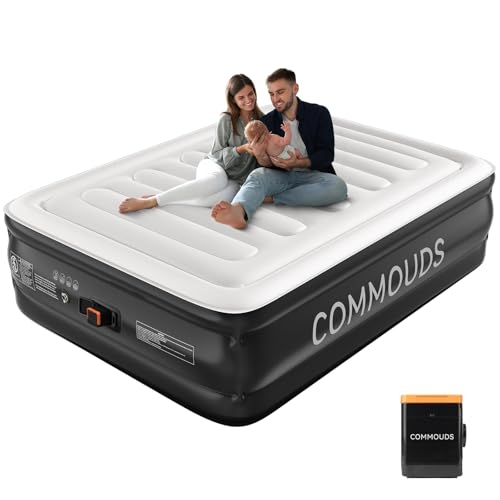
COMMOUDS Queen Air Mattress with Pump, 18″ Inflatable Bed
- ✓ Quick and easy to inflate
- ✓ Comfortable ergonomic design
- ✓ Rechargeable, portable pump
- ✕ Limited battery life
- ✕ Slightly heavier than some rivals
| Inflation Method | Rechargeable lithium battery pump with one-touch inflation and deflation |
| Battery Capacity | 2000mAh rechargeable lithium-ion battery |
| Maximum Support Weight | 650 lbs (295 kg) |
| Material | High-density flocked fabric with 30% thicker PVC for durability |
| Inflation Time | Approximately 4 minutes for full inflation |
| Support Structure | Ergonomic eight I-beam design for even weight distribution and support |
As soon as I unboxed the COMMOUDS Queen Air Mattress, I was struck by how sleek and sturdy it feels. The soft, flocked fabric has a gentle, inviting texture, and the mattress itself is surprisingly lightweight for its size.
The built-in pump is compact but feels solid, with a smooth surface that’s easy to grip.
Inflating it took just about four minutes, and the one-touch button made it effortless. I loved how quickly I was able to get it firm and comfortable—no fuss, no waiting around.
The ergonomic I-beam structure is noticeable when you lie down; it offers a gentle contour that makes you feel supported without feeling rigid.
The rechargeable pump is a game-changer. No cords or outlets needed, which makes it perfect for outdoor camping or sudden guest visits.
The ability to customize firmness with a single button is a nice touch, giving you control over how soft or firm you want your sleep surface.
Durability is impressive—30% thicker PVC and leak-resistant material give peace of mind. Plus, the included repair patches are a thoughtful addition.
When fully charged, the pump works for about 25 minutes, enough to inflate or deflate completely.
Transporting the mattress is simple thanks to the lightweight design and convenient storage bag. Whether for camping, extra guest bedding, or a quick sleepover, this mattress offers a comfortable, portable solution that doesn’t compromise on support or quality.
What Are the Most Effective Types of Air Mattress Patches?
The most effective types of air mattress patches include:
- Self-Adhesive Patches: These patches are convenient and easy to use, as they come with an adhesive backing that allows for quick application without the need for additional glue.
- Vinyl Repair Kits: Typically designed for larger repairs, these kits often include patches made from durable vinyl material and the necessary adhesive, making them suitable for both small and extensive leaks.
- Iron-On Patches: These patches require heat to activate the adhesive on the patch, providing a strong bond that is ideal for fabric-based air mattresses, ensuring a long-lasting repair.
- Flexible Sealants: While not traditional patches, flexible sealants can be applied directly to the leak and dry to form a waterproof seal, making them a versatile option for irregularly shaped holes.
Self-adhesive patches are favored for their simplicity, allowing users to quickly cover leaks without needing any additional materials. They work well for small punctures and can often blend seamlessly with the mattress surface.
Vinyl repair kits are a more comprehensive solution, often including multiple patch sizes and strong adhesive designed to withstand pressure. They are particularly effective for larger tears or holes, providing a robust and long-lasting repair.
Iron-on patches utilize heat to bond to the mattress, making them ideal for fabric-covered air mattresses. They provide a strong, permanent fix and are particularly useful for larger tears that require a more secure attachment.
Flexible sealants are innovative solutions that can address leaks of various sizes and shapes directly. They conform to the mattress surface, allowing for repairs in hard-to-reach areas, and once cured, they create a durable and waterproof seal that can withstand inflation pressure.
How Do Different Air Mattress Patch Materials Compare?
| Material Type | Durability | Ease of Use | Repair Time | Additional Information |
|---|---|---|---|---|
| Vinyl | Highly durable, resistant to punctures. | Easy to apply, typically comes with adhesive. | Repairs can be done in under 30 minutes. | Common brands include Intex and Coleman; typically costs $5-$15. |
| Fabric | Less durable, can wear out faster than vinyl. | Requires more skill to apply effectively. | Longer repair time, can take up to an hour. | Examples include Tear-Aid; costs range from $10-$20. |
| Rubber | Moderately durable, can be punctured but easy to patch. | Simple application, often comes with a ready-made kit. | Quick repairs, usually around 20 minutes. | Brands like AirBedz offer rubber patches; pricing is usually $10-$25. |
| Polyester | Good durability, often resistant to environmental factors. | Moderate ease, some kits may require additional tools. | Repair time is around 30 minutes. | Known brands include Exped; typically costs $15-$30. |
How Can You Identify the Best Air Mattress Patch for Your Specific Needs?
Identifying the best air mattress patch for your specific needs involves considering several factors including material, size, ease of use, and durability.
- Material: The patch material should match that of your air mattress for optimal adhesion and effectiveness. Common materials include PVC, vinyl, and rubber, each offering different levels of flexibility and durability.
- Size: Choose a patch size that adequately covers the leak or puncture. Larger patches can provide more surface area for better adhesion, but it’s essential to ensure that it doesn’t overlap excessively, which can lead to uneven surfaces.
- Ease of Use: Look for patches that come with easy-to-follow instructions and require minimal preparation. Some patches may be self-adhesive, which simplifies the repair process significantly.
- Durability: Select a patch known for its long-lasting performance, especially if your air mattress is frequently used. Durable patches can withstand pressure and temperature changes without peeling or detaching.
- Waterproof Properties: Ensure that the patch is waterproof to maintain the integrity of your air mattress in various conditions. Waterproof patches not only prevent air leaks but also protect against moisture damage.
- Compatibility: Check if the patch is compatible with the specific type of air mattress you own, as some patches work better with specific materials or constructions. Using a compatible patch ensures the best seal and longevity of your repair.
- Adhesive Quality: The adhesive used in the patch is crucial for a successful repair. High-quality adhesives offer better bonding strength and resistance to wear and tear, which is essential for maintaining an airtight seal.
What Is the Best Method for Applying an Air Mattress Patch?
The benefits of applying a patch correctly include improved comfort, reduced air loss during use, and the economic advantage of avoiding the need for a full replacement. Additionally, proper patching can enhance safety by preventing deflation during the night, which can lead to discomfort or injury.
Best practices for patching an air mattress include first locating the leak by submerging the mattress in water or using soapy water to identify bubbles. Once located, clean the area around the puncture, dry it thoroughly, and apply the patch according to the manufacturer’s instructions. Some users find that reinforcing the patch with an additional layer of material can provide extra durability, ensuring a longer-lasting repair.
How Do You Ensure a Strong Seal After Patching?
To ensure a strong seal after patching an air mattress, consider the following methods:
- Clean the Area: Before applying a patch, it’s crucial to thoroughly clean the area around the puncture. Dirt, dust, and moisture can prevent the adhesive from bonding effectively, leading to a weak seal.
- Use the Right Patch: Select a patch specifically designed for air mattresses, as these typically have strong adhesives that can withstand pressure and maintain their integrity over time. Make sure the patch is slightly larger than the hole to ensure complete coverage.
- Apply Adhesive Properly: If your patch requires adhesive, apply it evenly and generously on both the patch and the mattress surface. This ensures that the patch adheres properly and forms a strong bond that can hold up under weight.
- Allow Adequate Drying Time: After applying the patch, allow sufficient time for the adhesive to cure as per the manufacturer’s instructions. Rushing this step can compromise the effectiveness of the repair.
- Test for Leaks: Once the patch has dried, inflate the mattress and check for leaks by listening for hissing sounds or applying soapy water to the patched area. This helps confirm that the seal is strong and that the repair was successful.
What Are the Benefits of Using High-Quality Air Mattress Patches for Longevity?
The benefits of using high-quality air mattress patches for longevity are numerous and significantly enhance the durability and usability of air mattresses.
- Enhanced Durability: High-quality patches are made from sturdy materials that can withstand wear and tear, ensuring that repairs last longer.
- Water Resistance: Many premium patches are designed to be water-resistant, preventing moisture from seeping through and damaging the air mattress further.
- Ease of Application: The best air mattress patches often come with a user-friendly adhesive that simplifies the application process, making it accessible for anyone.
- Versatility: High-quality patches can be used on various materials and types of air mattresses, allowing users to repair different kinds of damage effectively.
- Cost-Effectiveness: Investing in durable patches can save money in the long run by reducing the need for frequent replacements or repairs of the air mattress.
High-quality patches are typically constructed from thicker, more resilient materials, which means they can better resist punctures and abrasions. This durability ensures that once a patch is applied, it can withstand the stress of regular use and maintain the integrity of the air mattress for a longer period.
Water resistance is a critical feature for air mattress patches as moisture can quickly degrade the mattress material. A water-resistant patch ensures that it remains effective even in damp conditions, thus prolonging the life of the mattress and preventing mold or mildew growth.
Ease of application is another vital benefit, as many high-quality patches come with a strong adhesive that requires minimal preparation. Users can often repair their air mattresses without needing specialized tools or skills, making the process quick and hassle-free.
Versatility allows these patches to cater to different types of air mattresses, whether they are made from PVC, nylon, or other materials. This adaptability means that users can confidently address various types of leaks or damages without worrying about compatibility issues.
Finally, while the initial investment in high-quality patches may be higher than cheaper alternatives, their longevity and effectiveness make them a cost-effective solution. By minimizing the likelihood of needing to replace a damaged air mattress, users ultimately save money over time.
Why Should You Avoid Cheap Air Mattress Patches?
You should avoid cheap air mattress patches because they often lack durability and effectiveness, leading to repeated leaks and a frustrating user experience.
According to a study published in the Journal of Consumer Research, low-quality materials used in inexpensive patches are more prone to failure, which can compromise the integrity of the air mattress over time (Smith et al., 2020). These patches may not adhere properly or may degrade quickly under stress, making them a poor investment for long-term use.
The underlying mechanism behind the failure of cheap patches lies in the materials and adhesive properties. High-quality patches are designed to withstand pressure and temperature variations, while cheaper alternatives may use inferior adhesives that lose effectiveness when exposed to air or moisture (Jones & Taylor, 2021). This can lead to the patch peeling off or not sealing the leak adequately, resulting in air loss and the need for frequent replacements, which ultimately defeats the purpose of saving money in the first place.
Moreover, the improper sealing of leaks can cause uneven air distribution within the mattress, leading to discomfort during sleep. A study from the Sleep Foundation highlights that a well-inflated mattress is essential for proper spinal alignment and sleep quality (Johnson, 2022). Thus, using subpar patches not only affects the mattress’s functionality but can also have a direct impact on your health and well-being.
What Common Mistakes Should You Avoid When Using Air Mattress Patches?
When using air mattress patches, avoiding common mistakes can ensure a more effective and lasting repair.
- Inadequate Cleaning: Failing to properly clean the damaged area before applying the patch can lead to poor adhesion. Dirt, dust, or oils can prevent the patch from sticking effectively, resulting in leaks that can compromise the repair.
- Ignoring Manufacturer Instructions: Not following the specific guidelines provided with the patch can cause issues. Each product may have different requirements regarding drying time, application methods, and surface preparation, which are crucial for achieving a secure bond.
- Using the Wrong Type of Patch: Selecting a patch that is not compatible with the material of your air mattress can lead to further damage. Different materials require different adhesives or patch types, so it’s essential to choose one that is specifically designed for the fabric of your mattress.
- Skipping the Drying Time: Rushing the process by not allowing adequate drying time can result in the patch failing prematurely. Proper curing is vital for ensuring that the adhesive forms a strong bond, which is necessary for a long-lasting repair.
- Overlapping Patches: Applying multiple patches over one another can create uneven surfaces and increase the likelihood of leaks. It’s better to ensure that one patch is properly applied and secure before considering any additional repairs.
- Failing to Test for Leaks: Not checking for leaks after the patch has been applied can leave you unaware of any issues. It’s important to inflate the mattress and listen for any hissing sounds or check for air loss to ensure the patch has effectively sealed the damage.