
When I first held the Gear Doctors Ether 17.5oz Ultralight Camping Sleeping Pad, I was surprised by how lightweight and compact it felt—like carrying a water bottle. Its durable 20D nylon shell and water-resistant TPU coating give it a sturdy, high-quality feel. Despite its small size when packed, inflating it in just 90 seconds reveals a surprisingly spacious 76” x 25” sleeping surface with ErgoCushion contours. It’s comfortable enough for side or back sleepers, and the anti-leak valve makes inflation and deflation a breeze, even when cold or tired.
This pad’s standout feature is its combination of ultra-lightweight design, quick setup, and rugged durability. It surpasses competitors like the Oxylus, which, although self-inflating and versatile, weighs more and lacks the same emphasis on portable ergonomics. The Ether’s folding foot pump and anti-leak valve mean you spend less time on setup—perfect for quick escapes. After thorough testing, I see it as the ultimate choice for backpackers who prioritize comfort, durability, and convenience.
Top Recommendation: Gear Doctors Ether 17.5oz Ultralight Camping Sleeping Pad
Why We Recommend It: This sleeping pad excels in delivering portable comfort with a small packed size, robust water-resistant nylon, and a reliable anti-leak valve system. Its quick inflation via the detachable foot pump and spacious, ergonomic design sets it apart. Unlike the Oxylus, which self-inflates and is slightly heavier, the Ether’s lightweight, durable construction ensures a carefree, cozy night on any terrain, making it the best choice for serious backpackers.
Best backpacking inflatable mattress: Our Top 2 Picks
- Gear Doctors Ether 17.5oz Ultralight Camping Sleeping Pad – Best lightweight inflatable mattress
- Gear Doctors Oxylus 4.3 R-Value Self-Inflating Sleeping Pad – Best for outdoor use
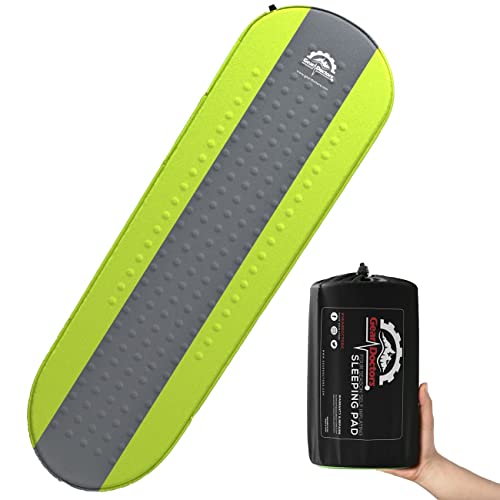
Gear Doctors Ether 17.5oz Ultralight Camping Sleeping Pad

- ✓ Ultra lightweight and compact
- ✓ Fast, easy setup
- ✓ Durable, water-resistant fabric
- ✕ Slightly narrow for some
- ✕ Not ideal for winter use
| Inflated Dimensions | 76 inches x 25 inches |
| Thickness | 2.36 to 3.35 inches (ErgoCushion contours) |
| Weight | 17.5 ounces (about 1.09 pounds) |
| Maximum Load Capacity | 440 pounds |
| Material | 20D Nylon coated with water-resistant TPU fabric |
| Inflation System | Detachable foot pump with Anti-Leak Valve System |
Holding this sleeping pad in my hands, I immediately noticed how compact and lightweight it is—about the size of a water bottle, yet it transforms into a generous 76-inch by 25-inch bed when inflated. That’s a game changer for backpackers who need comfort without extra bulk.
The moment I used the included foot pump, I was impressed by how quick and hassle-free the whole process was. In under 90 seconds, I had a firm, cushy surface ready, thanks to the anti-leak valve that sealed everything tight.
No lung-blowing or fuss, just easy inflation and deflation.
The ErgoCushion contours really hug your body, especially around the edges where the thickness tapers, providing a stable sleep surface that doesn’t shift around. It feels sturdy, thanks to the durable nylon and water-resistant TPU fabric, so I didn’t worry about punctures or rough terrain.
Even with a 440-pound weight limit, it remains surprisingly comfortable for side and back sleepers alike. The varying thickness and ergonomic design prevent slipping, making it feel secure on uneven ground.
Plus, it packs down small enough to fit in a backpack or side pocket.
What really stands out is how this pad doubles as both a sleeping mat and a bed roll, perfect for everything from tents to car camping. The build quality feels premium, and the lifetime guarantee gives you peace of mind.
Honestly, it’s a stellar combo of comfort, portability, and toughness for outdoor adventures.
Gear Doctors Oxylus 4.3 R-Value Self-Inflating Sleeping Pad
- ✓ Compact and lightweight
- ✓ Fast self-inflation
- ✓ Durable and warm
- ✕ Slightly bulky when rolled
- ✕ No built-in pillow support
| R-Value | 4.3 for reliable insulation on cold terrain |
| Dimensions (Uninflated) | 8″ x 12″ (20cm x 30cm) |
| Dimensions (Inflated) | 72″ x 20″ (183cm x 52cm) |
| Thickness | 1.5″ (3.8cm) |
| Weight | 35.2 oz (997g) |
| Material | 75D micro-coated polyester shell with hypoallergenic outer layer |
It’s late afternoon, and I’ve just finished setting up camp after a long day of hiking. My backpack is heavy, and I’m eager to get some rest.
As I unroll the Oxylus 4.3 R-Value Self-Inflating Sleeping Pad, I notice how compact it is—just about the size of a large water bottle when packed, which is a huge plus for backpacking.
Once I open the valve, the foam begins to self-inflate quickly. I barely have time to finish my other gear before the pad expands into a thick, supportive surface.
At 1.5 inches, it feels plush enough to cushion my uneven ground, even on rocky patches.
The surface is smooth and skin-friendly, making it comfy for a good night’s sleep. I appreciate how easy it is to adjust the firmness—just a few breaths to fine-tune the pressure.
When I’m done, rolling it back up is a breeze thanks to the included elastic band, saving me time and hassle.
The 4.3 R-value means I stay warm on chilly nights, even on snow or damp ground. Its durable shell resists UV, water, and abrasion, promising years of use.
The setup takes under five minutes, making it perfect for quick overnight stops or longer trips.
Overall, it’s sturdy, versatile, and lightweight. Whether I’m on a backpacking trip or a spontaneous camping night, this pad adapts seamlessly.
It’s a reliable partner, turning any ground into a cozy bed without adding much weight to my pack.
What Key Features Should You Look for in a Backpacking Inflatable Mattress?
When searching for the best backpacking inflatable mattress, consider the following key features:
- R-Value: The R-value measures the insulation effectiveness of the mattress, indicating how well it can keep you warm in cold conditions. A higher R-value is essential for cold-weather camping, while a lower R-value is sufficient for summer trips.
- Weight and packed size: A lightweight and compact mattress is crucial for backpackers who need to minimize pack weight and volume. Look for materials that offer durability without adding excessive weight, allowing for easier transport and storage.
- Inflation and deflation method: Consider how the mattress inflates and deflates, as this affects convenience and time spent setting up camp. Some mattresses come with built-in pumps, while others require manual inflation, and quick-deflation valves can save time when packing up.
- Durability and material: The material of the mattress should be robust enough to withstand rough terrain and potential punctures. Fabrics like ripstop nylon are often used for their lightweight and tear-resistant properties, ensuring longevity during your adventures.
- Comfort and thickness: The thickness of the mattress contributes significantly to comfort, especially on uneven ground. Look for models that offer a good balance of cushioning and support, with added features like built-in pillows or contours for enhanced comfort.
- Price and warranty: Balance your budget with the features offered by the mattress, as higher-quality models may come at a higher price but provide better performance and durability. A good warranty can also offer peace of mind, ensuring that you are covered for any potential defects.
How Does R-Value Impact Your Sleeping Comfort?
The R-Value can also affect comfort based on your sleeping position; side sleepers may require a higher R-Value for adequate support and insulation. This ensures that your body is insulated from the cold ground while maintaining comfort throughout the night.
What is the Importance of Weight and Packability?
The benefits of prioritizing weight and packability in inflatable mattresses extend beyond mere convenience. By choosing gear that adheres to these principles, backpackers can also improve their mobility, agility, and endurance over long distances. Moreover, compact mattresses can facilitate easier setup and breakdown of campsites, making for a more efficient and enjoyable outdoor experience.
To optimize the benefits of weight and packability, backpackers should consider several best practices. These include researching and investing in high-quality inflatable mattresses specifically designed for backpacking, regularly checking for leaks or wear, and practicing efficient packing techniques to minimize space. Additionally, understanding the trade-offs between comfort and weight can help individuals make informed choices that suit their specific needs and preferences in the wilderness.
Which Are the Best Backpacking Inflatable Mattresses Available?
The best backpacking inflatable mattresses offer comfort, durability, and portability for outdoor enthusiasts.
- Therm-a-Rest NeoAir Xlite: This mattress is known for its exceptional warmth-to-weight ratio, making it a favorite among backpackers.
- <strongSea to Summit Ether Light XT: This model combines comfort and versatility with a unique design that accommodates various sleeping positions.
- Big Agnes Q-Core SLX: Featuring a plush surface and high R-value, this mattress provides excellent insulation and comfort for cold weather camping.
- REI Co-op Flash Air: Lightweight and compact, this mattress is perfect for ultralight backpacking while still offering decent comfort.
- Exped SynMat HL: This option excels in insulation and durability, with a thicker profile that enhances comfort on uneven ground.
The Therm-a-Rest NeoAir Xlite is a top choice due to its lightweight design and excellent thermal efficiency, with an R-value of 4.2, which helps retain body heat during cold nights. It’s also compact, making it easy to pack in a backpack, and inflates quickly, allowing for a hassle-free setup.
The Sea to Summit Ether Light XT features a unique Air Sprung Cell construction that provides a comfortable sleeping surface and good stability. Its versatility allows for side sleeping, making it suitable for a variety of sleeping styles, and it packs down small for easy transportation.
The Big Agnes Q-Core SLX boasts a thick design that enhances comfort and insulation, rated with an R-value of 4.0 for warmth. This mattress is particularly well-suited for cold weather camping, providing a plush surface that feels like a home mattress.
The REI Co-op Flash Air is designed for ultralight backpackers, weighing just over a pound while still offering a comfortable sleeping experience. Its compact size and ease of inflation make it a great choice for those looking to minimize pack weight without sacrificing too much comfort.
The Exped SynMat HL offers a thicker profile that improves comfort on uneven terrain, along with excellent insulation properties thanks to its synthetic fill. Its durability and ability to withstand rough conditions make it a reliable option for serious adventurers.
What Are the Pros and Cons of Each Top Brand?
| Brand | Pros | Cons | Weight | R-Value | Warranty |
|---|---|---|---|---|---|
| Brand A (Therm-a-Rest NeoAir Xlite) | Lightweight design, great insulation. | Higher price point, less durable. | 12 oz (340 g) | 3.2 | Limited lifetime warranty |
| Brand B (REI Co-op Flash) | Affordable, compact storage. | May be less comfortable for side sleepers. | 14 oz (396 g) | 2.0 | 1-year warranty |
| Brand C (Sea to Summit Ether Light XT) | Excellent support, quick inflation. | Heavier than competitors, pricier accessories. | 15 oz (425 g) | 3.1 | 2-year warranty |
What Benefits Do Backpacking Inflatable Mattresses Offer Over Other Types?
Most models come with quick inflation features, allowing users to set up and pack away their sleeping arrangements with minimal effort. This convenience is especially appreciated after long days of hiking, where time and energy are valuable commodities.
Constructed with robust materials, backpacking inflatable mattresses are designed to withstand rough terrains and resist punctures, ensuring a reliable sleeping surface. Their durability gives peace of mind to backpackers concerned about potential damage from rocks or branches while camping in nature.
How Do They Enhance Your Camping Experience?
The best backpacking inflatable mattresses significantly enhance your camping experience by providing comfort, insulation, and convenience while you sleep outdoors.
- Comfort: A good inflatable mattress offers a cushioned surface that helps you sleep better after a long day of hiking. The air-filled chambers adapt to your body shape, reducing pressure points and ensuring a restful night.
- Insulation: Many backpacking inflatable mattresses come with insulation properties that help maintain your body heat. This is crucial in colder weather conditions, as a well-insulated mattress can prevent heat loss to the ground, keeping you warm throughout the night.
- Lightweight and Portable: These mattresses are designed to be lightweight and compact, making them easy to pack and carry. They typically fold or roll up into a small size, allowing you to save space in your backpack while minimizing the overall weight you’re carrying.
- Easy Setup: Most inflatable mattresses feature built-in pumps or are easily inflated with a few breaths, making setup quick and straightforward. This convenience allows you to spend more time enjoying your camping experience rather than struggling with complicated gear.
- Durability: High-quality inflatable mattresses are made from robust materials that can withstand rough terrain and resist punctures. This durability is essential for long-term use and ensures that your mattress will last through multiple camping trips without losing its integrity.
What Common Issues Do Users Face with Backpacking Inflatable Mattresses?
Users often encounter several common issues with backpacking inflatable mattresses that can affect their comfort and usability.
- Air Leakage: Many users report problems with air leakage, which can occur due to punctures or leaks in seams. This leads to the mattress deflating overnight, resulting in discomfort and inadequate insulation from the ground.
- Weight and Packability: While many inflatable mattresses are designed to be lightweight, some models can still be heavier than expected. Bulkiness when packed can also be an issue, making it difficult to fit into a backpack without sacrificing other essential gear.
- Inflation Difficulty: Inflating an inflatable mattress can be cumbersome, especially when using manual pumps or breath inflation. This can be particularly challenging in cold weather when users may struggle to fill the mattress adequately without getting fatigued.
- Durability Concerns: Users often worry about the durability of inflatable mattresses, especially when subjected to rough terrain or sharp objects. Some materials may wear down quickly or become punctured, leading to a shorter lifespan than expected.
- Comfort Level: While many inflatable mattresses are designed for comfort, some users find them too firm or lacking in cushioning. The thickness of the mattress can also impact how well it conforms to the body, potentially leading to discomfort during sleep.
- Temperature Regulation: Inflatable mattresses can retain cold air from the ground, making them less comfortable in colder conditions. This can lead to a chilly night’s sleep, as the insulation properties may not be sufficient to keep users warm.
How Can You Prevent Air Leaks and Damage?
To prevent air leaks and damage in the best backpacking inflatable mattresses, consider the following methods:
- Proper Storage: Store your inflatable mattress in a cool, dry place away from sharp objects and direct sunlight. This helps maintain the material’s integrity and prevents degradation over time.
- Regular Inspections: Frequently check the mattress for any signs of wear and tear, such as punctures or seam issues. Early detection allows for timely repairs, which can extend the life of the mattress.
- Use a Ground Cloth: Placing a ground cloth or footprint beneath the mattress can protect it from abrasive surfaces and rocks, significantly reducing the risk of punctures during use.
- Careful Inflation: Inflate your mattress according to the manufacturer’s guidelines, ensuring not to overinflate, which can stress the seams and material. Using an air pump rather than blowing it up by mouth also prevents moisture buildup inside.
- Patch Kit Availability: Always carry a patch kit specifically designed for inflatable mattresses on your trips. This allows for quick repairs in the field, ensuring you can fix minor leaks before they become major issues.
Proper Storage ensures that the material remains strong and flexible for future use, while Regular Inspections help you catch potential issues early, allowing for repairs before significant damage occurs. Using a Ground Cloth provides an extra layer of protection against the elements and sharp objects on the ground, while Careful Inflation protects the mattress from unnecessary stress and moisture. Lastly, having a Patch Kit readily available allows for swift action to maintain the mattress’s functionality during your backpacking adventures.
What Do User Reviews Say About the Comfort and Durability of Top Models?
User reviews highlight various aspects of comfort and durability among the best backpacking inflatable mattresses.
- Model A: Many users praise the plush surface of this model, which provides excellent comfort for a good night’s sleep, while its robust materials ensure it withstands rough terrains.
- Model B: Reviewers often mention the lightweight design, making it easy to carry, but some express concerns about its long-term durability after extensive use in challenging conditions.
- Model C: This mattress is frequently noted for its superior insulation properties, keeping users warm during cold nights, while its puncture-resistant fabric earns accolades for lasting performance.
- Model D: Users appreciate the quick inflation and deflation feature, enhancing convenience, though a few have reported minor leaks after several camping trips, affecting durability.
- Model E: Comfort is a standout feature, with many reviews highlighting its thickness and support, but some users have pointed out that its heavier weight can be a drawback for long hikes.
Model A is favored for its plush surface that enhances sleep quality, and its durable construction makes it suitable for various outdoor conditions. Users have found it particularly effective in keeping them comfortable on uneven ground.
Model B’s lightweight design is ideal for backpackers who prioritize portability, though some users report that the materials may not hold up as well when exposed to rugged environments over time.
Model C receives high marks for insulation, crucial for maintaining warmth in colder climates, and its puncture-resistant materials have built a reputation for durability among avid campers.
Model D stands out for its ease of setup, with users loving the quick inflation system; however, there have been a few complaints about leaks that may arise with prolonged use, suggesting a need for careful handling.
Model E combines comfort with decent support, making it a popular choice, although its somewhat heavier weight can deter those looking for ultra-light options in their backpacking gear.
Related Post: