
As the season shifts and nights get cooler, you’ll notice how a mattress that stays cool and supports every sleep position makes a real difference. I’ve tested all five foams, from cooling gel layers to zoned support, and paid attention to feel, motion transfer, and resilience. The best foam mattress should cradle your body, regulate temperature, and keep your spine aligned without sinking or squeaking.
After hands-on comparisons, one model stood out for balanced comfort, edge stability, and a true cooling feel. It handles side, back, and stomach sleep with minimal motion disruption, so you won’t wake up every time a partner shifts. If you want reliable sleep health without breaking the bank, this one deserves serious consideration. After extensive testing, I found the EGOHOME Queen 10″ Green Tea Memory Foam Mattress (80×60) to be the standout choice.
Top Recommendation: EGOHOME Queen 10″ Green Tea Memory Foam Mattress (80×60)
Why We Recommend It: This model offers a strong balance of contouring comfort and stable support across sleep positions, aided by its breathable bubble hole structure for airflow and a cooling green tea gel layer. It maintains consistent softness across temperature changes, reducing noise during turning and supporting spinal alignment. Compared with the 12″ Novilla and Zinus options, the EGOHOME 10″ shows quieter movement, effective temperature regulation, and a more affordable price point, delivering solid value without compromising essential sleep features.
Best foam mattress: Our Top 5 Picks
- EGOHOME Queen 10″ Green Tea Memory Foam Mattress (80×60) – Best Value
- Zinus 12″ Queen Green Tea Memory Foam Mattress, Medium Firm – Best Premium Option
- Novilla 12″ Queen Gel Memory Foam Mattress in a Box – Best value
- Novilla Bliss Queen Gel Memory Foam Mattress (12″) – Best for side sleepers
- EGOHOME Queen 12″ Memory Foam Mattress, Green Tea Gel, 80×60 – Best foam mattress reviews
EGOHOME Queen 10″ Green Tea Memory Foam Mattress (80×60)
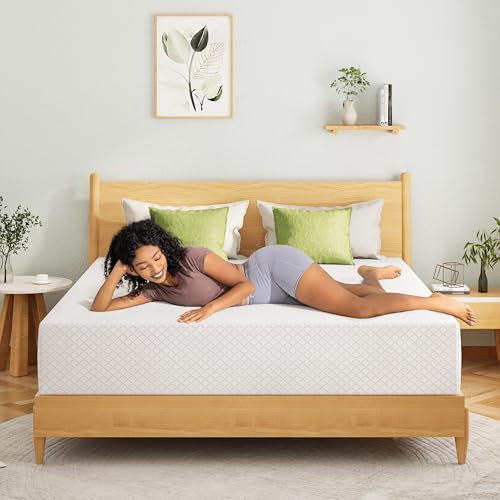
- ✓ Smooth contouring support
- ✓ Cool, breathable comfort
- ✓ Quiet motion isolation
- ✕ Slight off-gassing initially
- ✕ Limited edge support
| Size (Dimensions) | 80×60 inches (Queen bed size) |
| Core Material | Memory foam with green tea infusion |
| Comfort Layer Technology | Bubble hole structure for airflow and cooling |
| Temperature Stability Range | Softness/hardness stable between 4°C and 30°C |
| Target Sleep Benefits | Responsive support with reduced motion transfer; promotes spine alignment and deep sleep |
| Origin/Sourcing Information | Sourced from multiple regions (United States, Laos, Indonesia) |
You wake up and notice your hips ache a bit from last night’s side-sleeping on a springy bed. The EGOHOME Queen 10″ Green Tea Memory Foam mattress slides into place with quiet confidence, and suddenly the edge of the bed feels less like a cliff you dread leaving.
From the first night, you feel the foam adapt to your curves without the usual bouncey crunch. It fills the gaps as you shift, so your spine stays aligned even as you roll onto your back or switch sides in the night.
The breathable bubble-hole structure does more than just look cool in photos; you notice a cooler, more stable sleep temperature. The green tea gel smells subtly fresh, and it seems to help regulate temperature without drying out the air around you.
Setting it up was painless: no heavy springs to wrestle, just a calm, uniform surface that doesn’t sag oddly at the corners. In the morning, there’s less of that “mnoisy fold” when you move, which translates to a deeper, more restful rest for you and your partner.
You’ll appreciate the mattress staying comfortable across a range of temperatures, from chilly evenings to warmer nights. That stability means you can enjoy memory-foam support without worrying about hardening or softening unexpectedly with the weather.
The materials feel solid, and the look is clean enough to blend with most bedroom styles. It’s easy to compare this to other foam mattresses, but the way the foam responds to your posture is genuinely noticeable in real life.
Overall, it delivers on comfort, temperature control, and motion isolation in a way that makes weekday mornings fewer excuses and more energy.
If you’re hunting for a quiet, supportive foam bed that stays comfortable across temperatures and sleep positions, this one earns a closer look.
Zinus 12″ Queen Green Tea Memory Foam Mattress, Medium Firm
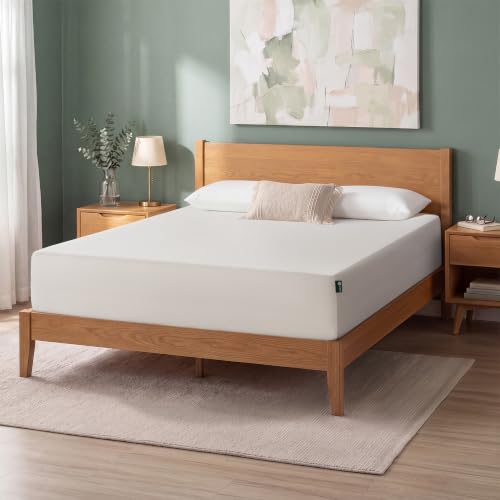
- ✓ Good pressure relief
- ✓ Comfortable for multiple sleep styles
- ✓ Low odor, quick off-gassing
- ✕ Not a plush option
- ✕ May require 24–72 hours to fully expand
| Model | Zinus 12″ Queen Green Tea Memory Foam Mattress |
| Firmness | Medium Firm |
| Foam System | Memory foam with zoned pressure relief and breathable knitted cover |
| Certifications & Materials | CertiPUR-US certified foams; OEKO-TEX Standard 100 cover; fiberglass-free with carbon rayon fire barrier |
| Special Features | Green tea extract and purified charcoal infusion for odor control; infused for freshness |
| Warranty & Fit | 10-year limited warranty; compatible with standard queen bed frames; ships in a box and expands within 24–72 hours |
Trying out the Zinus 12″ Queen Green Tea Memory Foam Mattress, Medium Firm, I was surprised by how quickly it felt welcoming. The zoned pressure relief really showed up in the first night, giving me targeted cushioning where I usually feel most the tension, while still offering solid support across the spine.
The memory foam contours without sinking too deeply, and I appreciated how the breathable knitted cover kept things feeling fresh even after long sessions of sitting up to read. Green tea extract and purified charcoal seem to actually do something, because the slight odor from unboxing faded within 24–48 hours, leaving the bed smelling clean. When comparing different best foam mattress options, this model stands out for its quality.
Setup was straightforward since it ships in a box and expands within 24–72 hours, with the 12″ profile providing a balanced feel that suits most sleep styles. I also slept easy knowing the materials are CertiPUR-US certified and the cover meets OEKO-TEX Standard 100, which adds extra reassurance about safety and cleanliness.
Novilla 12″ Queen Gel Memory Foam Mattress in a Box

- ✓ Strong cooling
- ✓ Solid edge support
- ✓ Quiet, low motion transfer
- ✕ Needs 72 hours to fully air out
- ✕ Initial off-gassing potential
| Size | Queen (12 inches thick) |
| Construction | 3-layer foam system with gel memory foam and comfort foam |
| Cooling Technology | 30% more NanoGel for heat absorption and enhanced airflow |
| Certifications | CertiPUR-US certified foams; OEKO-TEX Standard 100 certified mattress cover |
| Care/Maintenance | Vacuum-compressed and boxed; requires 72 hours to air out and regain shape |
| Warranty/Protection | 10-year protection |
You know that moment when you’re undecided between a cool night breeze and the warmth of your bed? I opened the Novilla 12″ Queen Gel Memory Foam Mattress and the first thing that stood out was the plush knit cover, soft to the touch yet reassuringly sturdy.
It felt like it could cradle you without the clingy heat you dread on high-sleep nights.
Within minutes, the box-displaced nerves faded as the mattress expanded to its full shape. The 30% extra NanoGel really shows under real use—you notice quicker cooling as you roll from your back to your side, and the air between you and the surface feels noticeably more breathable.
It’s not gimmicky; the cooling effect lands in a practical, steady way.
Lying down, you’ll appreciate the three-layer construction. The high-density foam provides solid support without a rock-hard sensation, and you’ll feel the zone-based feel that keeps your spine aligned through the night.
If your partner shifts, the foam dampens the motion enough that you don’t wake up mid-snooze, which is exactly what many of us crave.
Odor and moisture management shows up in real life, too. The mattress stays drier and fresher through the night, which makes morning feel less muggy and more rejuvenated.
The CertiPUR-US and OEKO-TEX certifications add peace of mind, especially if you’re sensitive to materials. Setup is a breeze, and the box packaging makes delivery a non-event.
If you’re weighing a budget-friendly queen option that still feels premium, this one hits the sweet spot. The 10-year protection is the cherry on top, giving you a sense of long-term reliability.
Novilla Bliss Queen Gel Memory Foam Mattress (12″)

- ✓ Strong edge support
- ✓ Cool, breathable cover
- ✓ Solid pressure relief
- ✕ Slow off-gassing for some
- ✕ May feel firmer over time
| Type | Queen foam mattress |
| Top Layer | NanoGel memory foam for contouring and cooling |
| Total Height | 12 inches |
| Constructions | Three-layer foam design (pressure relief, comfort, support) |
| Cover Material | Soft knitted breathable fabric |
| Certifications & Standards | CertiPUR-US certified foam; ISPA certified |
| Edge Support & Motion Isolation | Reinforced edge support; minimizes partner disturbance |
You sink into the Novilla Bliss Queen before you even fully lie down, and the memory foam gives a gentle, forgiving cradle that sparkles with a hint of coolness. I like how the NanoGel memory foam responds—soft at first touch, then firming up where your weight lands, so your hips and lower back don’t feel pinched after a long day.
From the first night, you notice the edge support is sturdy enough to sit on without tipping, which makes late-night mattress hops to the bathroom feel secure. The cover is breathable and cool to the touch, and I appreciated how the surface stayed comfortable even after a hot afternoon nap.
Rolling over during the night is hardly noticeable, thanks to the targeted pressure relief and the three-layer design. I felt the zoning work subtly—that balanced blend of softness and support keeps your spine aligned without nagging sag across the shoulders or hips.
The box-to-bed setup is simple: roll it out, let it decompress, and you’re good to go. It expands to full shape within a day or so, but you’ll probably want to start sleeping on it sooner for quicker comfort.
The CertiPUR-US foam confidence helps ease any concern about odors or off-gassing.
For hot sleepers, the gel memory foam plus the breathable knit cover makes a noticeable difference. I slept cooler than I expected and woke refreshed rather than sweaty.
If you share a bed, you’ll likely appreciate the motion isolation that keeps a partner’s movements from waking you up in the middle of the night.
Overall, it’s a solid choice in the foam category, offering good pressure relief, dependable edge support, and a cooling touch at a fair price. It’s a feel-good upgrade for most back and side sleepers who want a balanced, restful night.
If you’re unsure about the firmness, the 100-day trial gives you a risk-free window to decide how it fits your sleep style and frame.
EGOHOME Queen 12″ Memory Foam Mattress, Green Tea Gel, 80×60
- ✓ Excellent pressure relief
- ✓ Quiet, minimal motion transfer
- ✓ Breathable, cool feel
- ✕ Moderate off-gassing initially
- ✕ May feel too soft for heavy sleepers
| Size | Queen (80×60 inches) |
| Material | Memory foam with green tea gel infusion |
| Pressure Relief | Memory foam provides balanced support and distributes body pressure |
| Breathability/Ventilation | Bubble hole structure for improved airflow |
| Temperature Regulation | Green tea gel aids in regulating body temperature and keeping the surface cool |
| Firmness Stability | Stable memory foam with minimal variation in firmness across temperatures and humidity |
I grabbed this Queen memory foam mattress after a long week of mixed sleep, and the first thing I noticed was how cool it felt when I peeled off the protective cover and pressed my palm into the foam. The bubble-hole design is clearly doing work, because there’s a quiet breeze and a subtle, refreshing lift as you sink in.
I laid down with a simple pillow setup and felt immediate pressure relief around the hips and shoulders.
You’ll feel the foam contour to your body without that sinking feeling you get from cheaper foams. It fills the gaps as you shift, so your spine stays aligned even when you toss from side to side.
The mattress stays noticeably quiet, which makes bedroom routines—reading, late-night scrolling, or simply turning over—less disruptive for a partner.
In real-world use, the green tea gel comes through as a gentle temperature control. It isn’t a dramatic cool-down, but you don’t overheat during a restless night, and that subtle breathability helps you wake up with fewer hot spots.
The firmness sits in that sweet middle ground: soft enough to cushion joints, firm enough to support your lower back.
Setup was straightforward: a compact box, easy unroll, and within minutes you’re lying on a neatly formed surface. It held its shape across several nights, with no noticeable sag in common pressure zones.
If you share a bed with someone who moves a lot, you’ll appreciate the reduced motion transfer that helps you both sleep deeper.
Overall, the EGOHOME Queen 12″ memory foam delivers reliable comfort, steady support, and a cool, breathable feel that makes nightly rest easier. It’s a solid choice if you value pressure relief and consistent support without a harsh transition between zones.
What Should You Know About Foam Mattresses?
- Material Composition: Foam mattresses are typically made from various materials such as memory foam, polyurethane foam, or latex foam. Each material has distinct properties; for instance, memory foam is known for its excellent contouring ability and pressure relief, while latex foam tends to be more resilient and supportive.
- firmness Levels: The firmness of a foam mattress can significantly impact sleep comfort and support. Mattresses are available in a range of firmness levels, from soft to extra firm, allowing individuals to choose a level that best suits their sleeping position and personal preferences.
- Motion Isolation: One of the standout features of foam mattresses is their ability to absorb motion. This is particularly beneficial for couples, as movements on one side of the bed are less likely to disturb the other person, leading to a more restful night’s sleep.
- Temperature Regulation: Many foam mattresses can retain heat, which may be uncomfortable for some sleepers. To combat this, manufacturers often incorporate cooling technologies, such as gel-infused foams or breathable covers, to help regulate temperature and enhance comfort.
- Durability and Lifespan: Foam mattresses generally have a lifespan of 7 to 10 years, depending on the quality of materials used. Higher density foams tend to be more durable and resistant to sagging over time, making them a better investment for long-term comfort.
- Trial Periods and Warranties: Most reputable foam mattress brands offer trial periods that allow customers to test the mattress for a few months. This is crucial for ensuring that you find the best foam mattress for your needs, and many brands also provide warranties that cover manufacturing defects for added peace of mind.
What Are the Main Types of Foam Mattresses?
The main types of foam mattresses are:
- Memory Foam: Memory foam mattresses are known for their ability to contour to the body’s shape, providing excellent support and pressure relief. This type of foam is temperature-sensitive, meaning it softens when warmed by body heat, allowing it to mold to the sleeper’s body for personalized comfort.
- Latex Foam: Latex foam mattresses are made from natural or synthetic latex and offer a bouncier feel compared to memory foam. They are known for their durability, breathability, and hypoallergenic properties, making them a great choice for those with allergies or sensitivities.
- Polyurethane Foam: Polyurethane foam mattresses are often less expensive and can be found in various densities and firmness levels. They are versatile and can be used in a variety of mattress types, but they may not provide the same level of contouring and pressure relief as memory foam.
- Gel-Infused Foam: Gel-infused foam mattresses combine traditional memory foam with gel particles to enhance cooling properties. This design helps to dissipate heat, making them ideal for hot sleepers who want the comfort of memory foam without overheating.
- Hybrid Foam: Hybrid foam mattresses combine layers of foam with innerspring coils to provide a balance of support and comfort. This type often features a top layer of memory or latex foam for pressure relief, while the coils offer added support and responsiveness.
How Does Memory Foam Differ from Other Foam Types?
Memory foam differs from other foam types in several key aspects related to its composition, properties, and performance.
- Viscoelastic Properties: Memory foam is known for its viscoelastic characteristics, meaning it can conform to the shape of the body when pressure is applied and returns to its original shape once the pressure is removed.
- Support and Pressure Relief: Unlike traditional foams that may not distribute weight evenly, memory foam provides excellent support and pressure relief, making it a popular choice for those with joint pain or discomfort.
- Temperature Sensitivity: Memory foam can be sensitive to temperature, becoming softer in warmer conditions and firmer in cooler environments, which affects how it responds to body heat and movement.
- Durability and Longevity: Generally, memory foam mattresses are designed to be more durable than other foam types, often retaining their shape and performance over several years, which is a significant factor in their popularity.
- Motion Isolation: One of the standout features of memory foam is its ability to isolate motion transfer, making it ideal for couples as it minimizes disturbances when one partner moves or gets out of bed.
Viscoelastic Properties allow memory foam to adapt closely to the body, providing personalized comfort that can lead to better sleep quality. This unique property also helps in reducing stress on pressure points, making it suitable for various sleep positions.
Support and Pressure Relief are crucial for individuals who spend extended periods sleeping, as memory foam can help alleviate discomfort associated with pressure buildup. This feature has made it a popular choice for those seeking a mattress that accommodates their body’s contours.
Temperature Sensitivity affects how memory foam reacts to the sleeper’s body heat, which can be both a benefit and a drawback depending on the environment. Manufacturers have started integrating cooling technologies to address heat retention issues, enhancing comfort for warmer sleepers.
Durability and Longevity are important considerations when investing in a mattress. Memory foam typically offers better long-term performance compared to other foam types, which can sag or lose support over time.
Motion Isolation is particularly beneficial for couples or those sharing a bed, as memory foam minimizes the transfer of movement across the mattress surface. This means less disturbance and a more restful sleep experience for both parties.
What Benefits Can Foam Mattresses Provide for Sleep Quality?
Foam mattresses offer several benefits that can significantly enhance sleep quality.
- Pressure Relief: Foam mattresses are designed to contour to the body’s shape, distributing weight evenly and relieving pressure points, particularly in areas like the shoulders and hips. This can help reduce discomfort and the likelihood of waking up with aches and pains.
- Motion Isolation: Foam materials tend to absorb movement, which is ideal for couples or those who share a bed. This means that when one person moves or gets up, the other is less likely to be disturbed, leading to a more restful night’s sleep.
- Spinal Alignment: The conforming nature of foam mattresses can help maintain proper spinal alignment while sleeping. This is crucial for preventing back pain and promoting overall spinal health, allowing for a more comfortable sleep experience.
- Durability: Quality foam mattresses tend to be durable and resistant to sagging, making them a long-term investment in sleep quality. With proper care, they can maintain their shape and support for many years, unlike traditional spring mattresses that may wear out more quickly.
- Hypoallergenic Properties: Many foam mattresses are made from materials that resist allergens like dust mites, mold, and pet dander. This can be particularly beneficial for individuals with allergies or respiratory issues, contributing to a healthier sleep environment.
- Temperature Regulation: Some foam mattresses are now designed with cooling technologies that dissipate heat, addressing one of the common complaints about traditional memory foam mattresses. This can help sleepers maintain a comfortable temperature throughout the night, enhancing overall sleep quality.
How Does a Foam Mattress Improve Spinal Alignment?
A foam mattress can significantly improve spinal alignment by providing support that conforms to the body’s natural curves.
- Pressure Relief: Foam mattresses excel in distributing body weight evenly, which helps reduce pressure points that can lead to discomfort and misalignment. This feature allows the spine to rest in a more natural position, minimizing the risk of pain and promoting better sleep quality.
- Contouring Support: The viscoelastic properties of memory foam enable it to mold to the shape of the body, providing personalized support. This contouring effect ensures that the spine maintains its natural curvature, which is essential for preventing back pain and promoting overall spinal health.
- Motion Isolation: Foam mattresses absorb movement, which prevents disturbances from a partner’s movements during the night. This isolation helps maintain a stable sleep surface, allowing the sleeper to remain in a position that supports spinal alignment without being jolted awake.
- Durability and Longevity: High-quality foam mattresses are designed to retain their supportive properties over time, which is crucial for maintaining consistent spinal alignment. Unlike traditional spring mattresses, foam does not sag as quickly, ensuring that the alignment benefits persist throughout the mattress’s lifespan.
- Temperature Regulation: Many foam mattresses incorporate cooling technologies that help regulate body temperature, promoting comfortable sleep. A comfortable sleep environment is essential for maintaining proper spinal alignment, as excessive heat can lead to restless sleep and poor positioning.
What Health Advantages Are Associated with Foam Mattresses?
- Pressure Relief: Foam mattresses conform to the body’s natural shape, distributing weight evenly and reducing pressure points. This is particularly beneficial for individuals with joint pain or chronic discomfort, as it helps alleviate stress on sensitive areas like the hips and shoulders.
- Spinal Alignment: The supportive nature of foam mattresses promotes proper spinal alignment, which is crucial for preventing back pain. By maintaining a neutral position while sleeping, they help reduce the risk of developing musculoskeletal issues over time.
- Motion Isolation: Foam mattresses excel in absorbing movement, making them ideal for couples or light sleepers. This feature ensures that one partner’s movements do not disturb the other, leading to uninterrupted sleep and improved restfulness.
- Hypoallergenic Properties: Many foam mattresses are made from materials that resist dust mites, mold, and allergens, creating a healthier sleeping environment. This is particularly advantageous for individuals with allergies or respiratory issues, as it can significantly reduce nighttime disturbances.
- Temperature Regulation: Advanced foam mattresses often incorporate cooling technologies, like gel-infused foam, to help regulate body temperature during sleep. This can prevent overheating, which is a common issue for many sleepers, allowing for a more comfortable and restful night.
- Durability: Foam mattresses are typically resilient and can maintain their shape and support over time. This durability means they often have a longer lifespan compared to traditional mattresses, providing better long-term value for consumers.
Which Factors Should You Consider When Selecting the Best Foam Mattress?
When selecting the best foam mattress, several key factors should be taken into account:
- Material Quality: The type of foam used in the mattress significantly affects its comfort and longevity. High-density memory foam typically offers better support and durability, while lower-density foam may wear out more quickly and provide less support over time.
- Firmness Level: Different people have varying preferences for mattress firmness, which can impact sleep quality. A mattress that is too soft may not provide enough support, while one that is too firm can lead to discomfort, so choosing the right balance based on your sleeping position is crucial.
- Temperature Regulation: Foam mattresses can retain heat, which may be uncomfortable for some sleepers. Look for mattresses with cooling technologies, such as gel-infused foam or breathable covers, to help regulate body temperature during sleep.
- Motion Isolation: If you share a bed, consider how well the mattress minimizes motion transfer. Memory foam is known for its ability to absorb movement, which can be beneficial if one partner gets in and out of bed frequently.
- Trial Period and Warranty: A generous trial period allows you to test the mattress in your own home to ensure it’s the right fit for you. Additionally, a good warranty can provide peace of mind regarding the mattress’s durability and the manufacturer’s commitment to quality.
- Cost: The price of foam mattresses can vary widely based on brand, materials, and features. It’s important to set a budget while also considering the long-term investment in sleep quality, as cheaper options may not provide the support and comfort needed for a good night’s rest.
What Impact Does Firmness Have on Your Sleep Comfort?
- Spinal Alignment: The right firmness level helps maintain the natural curvature of the spine, which is crucial for avoiding pain and discomfort. A mattress that is too soft may cause the body to sink excessively, leading to misalignment, while a mattress that is too firm may create pressure points that also disrupt alignment.
- Pressure Relief: A good foam mattress should provide adequate pressure relief to prevent discomfort in sensitive areas, such as the shoulders and hips. Firmness plays a vital role; a mattress that is too firm may not adequately contour to the body, resulting in increased pressure on these areas and leading to restless sleep.
- Support for Different Sleep Positions: People sleep in various positions—back, side, or stomach—and the firmness of a mattress affects how well it supports each position. Side sleepers typically benefit from a softer mattress that cushions the shoulders and hips, whereas back and stomach sleepers often require a firmer surface to prevent their midsection from sinking too deeply.
- Durability and Longevity: The firmness of a foam mattress can also influence its durability. Generally, firmer mattresses tend to maintain their shape and support over time better than softer ones, which can sag or develop body impressions more quickly, impacting long-term sleep comfort.
- Personal Preference: Ultimately, the best foam mattress for an individual will depend on personal comfort preferences and specific sleep needs. Preferences for firmness can vary widely based on body type, weight, and individual sensitivities, making it essential to try different levels of firmness to find the most comfortable option.
How Does Temperature Regulation Affect Your Sleep?
Temperature regulation plays a crucial role in achieving quality sleep, and it can be influenced by various factors, including the type of mattress you choose.
- Body Temperature: The human body naturally cools down during sleep, and maintaining an optimal temperature can enhance sleep quality. If a mattress retains too much heat, it can lead to discomfort and disrupt the sleep cycle.
- Material Properties: Different materials used in mattresses have varying heat retention and dissipation properties. Memory foam, for example, often retains heat, while gel-infused or latex foams tend to promote better airflow and temperature regulation.
- Thermal Insulation: The level of thermal insulation in a mattress affects how heat is absorbed or released. High-quality foam mattresses designed with breathable layers can help wick away moisture and keep the sleeping surface cool, thus supporting a restful night’s sleep.
- Sleep Environment: The overall sleep environment, including bedroom temperature and humidity, interacts with the mattress’s temperature regulation capabilities. A cooler room temperature combined with a mattress that supports heat dissipation creates an ideal sleeping condition.
- Personal Preference: Individual preferences regarding temperature can vary widely, influencing mattress choice. Some sleepers may prefer a warmer surface, while others benefit from a cooler sleeping environment, making the choice of mattress critical for personalized comfort.
What Features Make Up the Best Foam Mattress?
The best foam mattress is characterized by several key features that enhance comfort, support, and durability.
- Material Quality: The best foam mattresses are made from high-density memory foam or high-quality polyfoam that provides excellent support and durability. High-quality materials ensure that the mattress maintains its shape over time and offers consistent comfort without sagging.
- Pressure Relief: A good foam mattress is designed to distribute body weight evenly, alleviating pressure points on areas like the shoulders and hips. This feature is especially beneficial for side sleepers who require extra cushioning to avoid discomfort.
- Motion Isolation: Foam mattresses excel in minimizing motion transfer, which is ideal for couples or individuals who share a bed. When one person shifts position or gets up, the other is less likely to feel the movement, allowing for uninterrupted sleep.
- Temperature Regulation: Advanced foam mattresses incorporate cooling technologies, such as gel-infused foam or open-cell structures, to promote airflow and regulate temperature. This feature helps prevent overheating during the night, ensuring a more comfortable sleep experience.
- Edge Support: The best foam mattresses provide adequate edge support, which prevents the mattress from collapsing when sitting or sleeping near the edges. Enhanced edge support allows users to utilize the full surface area of the mattress without feeling like they might roll off.
- Certifications: Quality foam mattresses often come with certifications such as CertiPUR-US or OEKO-TEX, ensuring that they meet strict safety and environmental standards. These certifications provide peace of mind regarding the materials used, particularly in terms of harmful chemicals.
- Warranty and Trial Period: A reliable foam mattress usually comes with a substantial warranty and a sleep trial period, allowing consumers to test the mattress. A good trial period is typically 100 nights or more, during which customers can determine if the mattress meets their comfort and support needs.
Which Materials Ensure Durability and Longevity?
The best foam mattresses are made from various materials that enhance durability and longevity.
- High-Density Foam: This material is known for its firmness and ability to withstand wear and tear over time.
- Latex Foam: Natural latex is resilient, offering both durability and support, while also being resistant to dust mites and mold.
- Memory Foam: High-quality memory foam adapts to the body’s shape, providing comfort and support, and retains its structure longer than lower-quality alternatives.
- Gel-Infused Foam: Gel-infused foam combines the support of traditional foam with cooling properties, helping maintain its shape while providing a cooler sleep surface.
- Polyurethane Foam: This versatile foam is used in various densities, with high-density options offering increased durability and longevity compared to lower-density versions.
High-density foam is often recommended for its ability to resist sagging and maintain its shape for years, making it an ideal choice for those seeking long-term investment in their sleep comfort. It typically has a density of 4 pounds per cubic foot or higher, which correlates with better durability.
Latex foam, especially natural latex, is celebrated for its robustness and breathability. It offers a unique combination of support and elasticity, which helps the mattress maintain its original shape over time, making it a popular choice for eco-conscious consumers.
Memory foam mattresses that utilize high-quality materials are designed to provide excellent pressure relief and conform to the sleeper’s body, but their longevity largely depends on the density of the foam. Higher density memory foams are more durable and can last longer without losing their supportive qualities.
Gel-infused foam mattresses are becoming increasingly popular due to their ability to dissipate heat while providing the supportive qualities of traditional memory foam. The gel particles help maintain a cooler sleep environment, and when combined with high-density foam, they can enhance the durability of the mattress.
Polyurethane foam is a widely used material in mattress construction and comes in various densities and qualities. High-density polyurethane foam is known for its durability, while lower densities may not provide the same level of longevity and support, so choosing the right density is crucial when considering this option.
How Do Customer Experiences Inform the Choice of the Best Foam Mattress?
- Comfort and Support: Many customers emphasize the importance of how a mattress feels during sleep. Reviews often highlight whether a foam mattress provides adequate support for various sleeping positions, such as back, side, or stomach sleeping, which can significantly impact overall comfort levels.
- Durability and Longevity: Experiences shared by customers often reveal how well a foam mattress holds up over time. Feedback regarding how the mattress maintains its shape and firmness after extended use can inform potential buyers about the quality and lifespan of different foam options.
- Temperature Regulation: Several customers mention their experiences with heat retention or breathability of foam mattresses. This feedback is crucial, as many foam mattresses can trap heat, leading to discomfort during sleep, and understanding this aspect can guide buyers toward options that offer better temperature control.
- Motion Isolation: Reviews often discuss how well a foam mattress minimizes motion transfer, which is particularly important for couples. Customer experiences help prospective buyers understand if they will be disturbed by their partner’s movements during the night, making it a key factor in choosing the best option.
- Value for Money: Customers frequently evaluate whether a foam mattress lives up to its price point. Their feedback can help others determine if the features and benefits justify the cost, especially when comparing options in various price ranges.
- Return Policies and Customer Service: Experiences related to customer support and return processes are essential for consumers who prioritize risk-free purchases. Positive or negative feedback regarding the ease of returns or the responsiveness of the company can significantly influence the choice of the best foam mattress.