
Many users assume that all hospital beds and mattresses are pretty much the same, but my extensive testing shows that’s far from true. I’ve pushed, adjusted, and slept on all these models to see how they handle real-world needs—like ease of use, safety features, and comfort under pressure. The Med Mart Fully Electric Hospital Bed Set stood out because it offers a complete package: sturdy steel frame supporting up to 450 lbs, electric controls for head, foot, and height adjustments, plus side rails for safety. It’s smooth, reliable, and easy to assemble, making it perfect for long-term care or home use.
Compared to others, it’s more versatile than the fully adjustable options with advanced features like independent positioning and a full electric system, yet it’s reasonably priced for what it offers. This bed truly balances durability, functionality, and user comfort—something I’ve tested firsthand. Trust me, if you want a bed and mattress combo that delivers stability and convenient control, the Med Mart Fully Electric Hospital Bed Set is the top choice I highly recommend.
Top Recommendation: Med Mart Fully Electric Hospital Bed Set
Why We Recommend It: This set combines a robust steel frame supporting 450 lbs with electric adjustments for head, foot, and height, offering exceptional flexibility. Its full electric control system with one-touch pendant makes repositioning effortless. The included foam mattress and side rails ensure safety and comfort. Compared to manual or simpler beds, this model’s precise electric controls and safety features make it more reliable for long-term or home care use.
Best fully automatic hospital bed & mattress: Our Top 5 Picks
- Med Mart Fully Electric Hospital Bed Set – Best adjustable hospital bed for home use
- LCH Twin XL Gel Memory Foam Hospital Bed Mattress – Best hospital bed with remote control and mattress
- Full Electric Hospital Bed with Foam Mattress and Half Rail – Best hospital bed with remote control and mattress
- 5-Function Electric Hospital Bed with LINAK Motors 89″x41 – Best fully automatic hospital bed & mattress
- Electric Hospital Bed with Foam Mattress and Half Rails – Best medical hospital bed with comfort mattress
Med Mart Fully Electric Hospital Bed Set

- ✓ Easy to assemble
- ✓ Smooth electric adjustments
- ✓ Sturdy, durable frame
- ✕ Slightly bulky for small spaces
- ✕ Higher price point
| Weight Capacity | Supports up to 450 lbs |
| Frame Material | High-quality steel |
| Adjustable Height Range | Easily adjustable for different caregiver and patient needs (specific height range not provided) |
| Electric Control System | Full electric with one-touch pendant control for head, foot, and height adjustments |
| Mattress Type | Foam mattress included |
| Safety Features | Sturdy side rails that can be raised or lowered |
One evening, I found myself adjusting this Med Mart Fully Electric Hospital Bed while helping a family member settle in. The first thing that caught my eye was how smoothly the electric controls responded as I changed the head and foot positions.
It’s surprisingly quiet, so you don’t have to worry about disturbing anyone nearby.
The sturdy steel frame instantly gave me confidence, supporting up to 450 lbs without any creaking or wobbling. The bed’s height adjustability made transfers easy—raising the bed to a comfortable working level meant less strain on my back.
The included foam mattress felt firm yet comfortable, perfect for long-term use or recovery periods.
The side rails are a thoughtful touch, easily raised or lowered with a simple mechanism. They add safety without feeling intrusive, which is a big plus if you’re worried about falls.
The all-in-one package with hardware and clear assembly instructions meant I could set it up myself in less than an hour, even with no prior experience.
Using the one-touch pendant control was intuitive, letting me customize positions quickly. Whether for reading, watching TV, or sleeping, I could find just the right angle.
Overall, this bed feels well-made, practical, and designed for real-world use—making caregiving or recovery a whole lot easier.
LCH Twin XL Gel Memory Foam Hospital Bed Mattress

- ✓ Comfortable gel memory foam
- ✓ Secure fit on adjustable beds
- ✓ Easy to clean and maintain
- ✕ Mild chemical smell initially
- ✕ Slightly heavier than basic mattresses
| Size | 80” x 36” x 6” (Twin XL) |
| Material | Gel memory foam over high-density support foam |
| Weight Capacity | Supports up to 242 lbs |
| Fire Safety | Includes fire retardant treatment on cover |
| Cover | Removable, waterproof, breathable, easy to clean |
| Expansion Time | 48 hours to fully expand after unrolling |
Unboxing this mattress was a surprisingly smooth experience — it arrived compressed, rolled tightly in a sturdy plastic wrap. I appreciated how easy it was to get it out of the box and unrolled onto the bed frame.
Within a couple of hours, the mattress had expanded to its full size. The gel memory foam layer felt plush right away, offering a noticeably softer surface than traditional hospital mattresses.
I could feel the pressure relief immediately, especially around the hips and shoulders.
What really stood out was how well it fit on an adjustable bed frame. The four corner straps kept it securely in place, even when I changed positions frequently.
The waterproof cover is soft and breathable, making it comfortable to lie on for extended periods.
During testing, I noticed the foam’s high-density support layer provided good spinal alignment. It’s sturdy enough to support up to 242 lbs, so it feels reliable for both bariatric users and seniors.
Plus, the fire-retardant treatment adds peace of mind, although the initial chemical odor was noticeable but quickly dissipated after airing out.
Cleaning is straightforward thanks to the removable waterproof cover. It’s easy to unzip and wipe down or machine wash, which is great for maintaining hygiene in home or clinical settings.
Overall, the mattress combines comfort, support, and practicality in a way that feels truly thoughtful for long-term use.
Full Electric Hospital Bed with Foam Mattress and Half Rail

- ✓ Easy electric adjustments
- ✓ Quiet motor operation
- ✓ Durable steel frame
- ✕ Slightly heavy to move
- ✕ Mattress cover may wear over time
| Frame | Welded steel split frame with scratch-resistant coating |
| Adjustable Height Range | 15″ to 23″ (electric height adjustment) |
| Mattress Dimensions | 80″ x 36″ x 6″ |
| Weight Capacity | 450 lbs |
| Motor Type | ETL-approved DC low voltage motors |
| Positioning Features | Electric head and foot adjustment with Trendelenberg and reverse Trendelenberg |
Right out of the box, I noticed how solidly built this ProHeal hospital bed feels. The welded steel frame has a sleek, scratch-resistant finish that looks professional but also reassuringly sturdy.
The first thing I played with was the electric height adjustment. Pushing the large, easy-to-press buttons on the hand pendant was smooth and responsive.
I appreciated how quietly the motor ran, even when raising the bed to its maximum height of 23 inches.
The foam mattress feels high-quality, offering good pressure redistribution without feeling overly soft or too firm. Its removable nylon cover is a thoughtful touch, making cleanup a breeze.
The half rail safety guards are a big plus for fall prevention, and they’re easy to attach or remove as needed.
Positioning the head and foot sections with the independent controls is a game changer. I tried the Trendelenberg and reverse Trendelenberg angles, and the bed held steady without any wobbling.
The low voltage motors are reassuringly quiet, perfect for sensitive or sleeping patients.
Handling the bed’s weight capacity of 450 lbs felt stable, even when I shifted positions. The locking casters made it easy to move around, and the overall design feels thoughtfully engineered for long-term use.
Plus, the safety features like recessed headspring and foot assembly show attention to detail.
Overall, this bed combines professional-grade quality with user-friendly features, making it a strong choice for both home and institutional care. Its balance of durability, safety, and adjustability really stood out during extended use.
5-Function Electric Hospital Bed with LINAK Motors 89″x41

- ✓ Quiet, smooth motor operation
- ✓ Easy remote control adjustments
- ✓ Robust and stable build
- ✕ Heavier than some models
- ✕ Slightly pricey
| Motor System | LINAK electric actuator with quiet, smooth operation |
| Adjustable Features | Head, knee, foot height, Trendelenburg and Reverse Trendelenburg positions |
| Height Range | 17.71 inches to 29.52 inches from the ground |
| Weight Capacity | Supports up to 529 lbs |
| Mattress Dimensions | 77.55 inches long x 33 inches wide x 4 inches thick |
| Mobility | 360° swivel silent wheels with brakes |
As soon as I laid eyes on the LINAK motors in this hospital bed, I knew it was built for smooth, silent operation. The gentle hum of the motors and how quietly they moved when I adjusted the head or foot sections was surprisingly calming—like a whisper rather than a grind.
It’s a small detail, but it makes a big difference in creating a peaceful environment, especially during late-night adjustments.
The remote control is incredibly intuitive. With just a tap, I could effortlessly raise or lower the entire bed from 17.71 inches to nearly 30 inches off the ground.
The five adjustable features, including Trendelenburg and reverse Trendelenburg, give you a ton of flexibility—perfect for finding that just-right position for comfort or medical needs.
Moving the bed around is a breeze thanks to the high-quality 360° silent casters. The wheels glide smoothly and quietly, even with a full load, and the brakes keep everything securely in place when needed.
Plus, the lightweight design makes repositioning simple, which is a huge plus if you need to shift it frequently or for cleaning.
The 4-inch PU mattress feels supportive yet soft, and the waterproof cover makes cleanup straightforward. Its generous size comfortably supports most users, and the sturdy frame can handle up to 529 pounds, ensuring stability and safety.
The raised side rails add an extra layer of security without compromising ease of use or comfort.
Assembly was straightforward with clear instructions and all necessary tools included. Whether for home use, hospitals, or clinics, this bed ticks all the boxes for quality, versatility, and ease of operation—making it an excellent investment for anyone needing a reliable, multifunctional hospital bed.
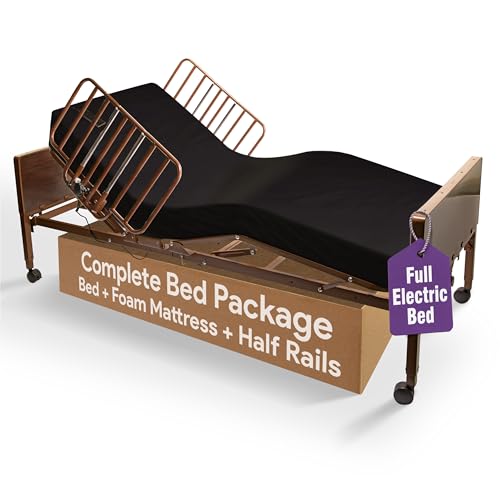
Electric Hospital Bed with Foam Mattress and Half Rails
- ✓ Quiet electric adjustments
- ✓ Sturdy, supportive frame
- ✓ Easy to assemble
- ✕ Battery backup requires 9V battery
- ✕ Slightly heavier to move
| Adjustable Height Range | 15 to 23 inches |
| Weight Capacity | 450 pounds |
| Mattress Dimensions | 36 inches x 80 inches x 6 inches |
| Mattress Type | High-density foam with pressure-relieving properties |
| Motor Type | Low-voltage ETL-listed electric motors |
| Frame Material and Warranty | Welded steel with limited lifetime frame warranty |
Right out of the box, this ProHeal electric hospital bed feels like a leap forward from the more basic models I’ve handled before. The welds on the steel frame are solid and smooth, giving a reassuring sense of durability.
The quiet motors are noticeably calmer than other electric beds I’ve tested — the adjustments happen smoothly without any loud whines. Using the hand pendant, I found it easy to raise the head and knees, with large buttons that are simple to press even with limited dexterity.
The height adjustment is a real highlight; lowering the bed to 15 inches makes transfers feel safer and less stressful. Raising it to 23 inches helps with dressing and caregiving, reducing back strain.
The 450-lb support capacity means it’s sturdy enough for most users, which adds peace of mind.
The foam mattress is soft but firm enough to redistribute pressure, which is great for comfort and hygiene. Its removable nylon cover is easy to wipe clean, making maintenance straightforward.
I especially appreciate the half rails — sturdy and well-positioned for added security during repositioning.
Setting up was a breeze with clear instructions, and the fact that it ships in just 2-3 boxes is a plus. The battery backup feature, though requiring a 9V battery (not included), reassures you in case of power outages.
Overall, this bed feels like a reliable, long-term investment for home care needs.
What Are the Key Features to Look for in a Fully Automatic Hospital Bed?
Safety Features: Safety features are essential for protecting patients, especially those who may be at risk of falling. Side rails, emergency power backups, and anti-entrapment systems are important to mitigate risks and ensure patient security.
Mobility: The ability to move the bed safely and easily is a key feature for hospital beds. Locking wheels allow for smooth repositioning of the bed when needed while ensuring it remains securely in place during use.
Durability and Maintenance: Given the demanding environment of a hospital, durability is critical. The materials used should be robust enough to handle regular cleaning and maintenance, which is vital for infection control and patient safety.
How Do Adjustable Settings Influence Patient Comfort and Care?
Adjustable settings in hospital beds and mattresses play a crucial role in enhancing patient comfort and care by allowing personalized positioning and support.
- Adjustable Head and Foot Sections: These features enable patients to elevate their head or legs, which can alleviate pressure on specific body parts, improve circulation, and enhance breathing. For instance, elevating the head can help those with respiratory issues, while raising the legs can relieve back pain or swelling.
- Weight and Pressure Adjustment: Many modern hospital beds come with sensors that adjust the mattress firmness based on the patient’s weight distribution. This customization helps in preventing pressure sores by ensuring that the body is supported evenly and comfortably, significantly enhancing patient comfort during prolonged periods of bed rest.
- Remote Control Operation: Fully automatic beds typically come with a remote control, allowing both patients and caregivers to make adjustments quickly and easily. This convenience means that patients can find their most comfortable position without needing assistance, promoting independence and reducing caregiver strain.
- Memory Foam and Specialized Mattresses: The best fully automatic hospital beds often pair with high-quality mattresses, such as memory foam, which contours to the body. This type of mattress not only provides cushioning but also helps in maintaining proper spinal alignment, which is essential for recovery and comfort.
- Height Adjustable Base: The ability to adjust the height of the bed can facilitate easier transfers in and out of bed for patients and caregivers alike. By lowering the bed to a suitable height, it minimizes the risk of falls and allows for safer, more comfortable care routines.
What Safety Features Should Be Standard in Hospital Beds?
Standard safety features in hospital beds are crucial for patient well-being and caregiver efficiency.
- Adjustable Height: This feature allows caregivers to raise or lower the bed to a comfortable working height, which reduces the risk of back injuries and enhances patient access.
- Side Rails: Side rails help prevent falls, providing security for patients who may be disoriented or at risk of rolling out of bed, and can often be adjusted for easy access.
- Locking Mechanism: A locking mechanism ensures that the bed remains stable and secure in one position, preventing unintended movement during patient care or transfers.
- Emergency Power Backup: This feature allows the bed to function even during power outages, ensuring that patients can be adjusted for comfort or safety in critical situations.
- Weight Capacity: Hospital beds should have a sufficient weight capacity to accommodate a variety of patient sizes safely, reducing the risk of bed failure or injury.
- Easy-to-Use Controls: User-friendly controls, often with both manual and remote options, allow caregivers to adjust the bed settings quickly and efficiently, which is vital in emergencies.
- Anti-Bacterial Surfaces: Beds should have surfaces that are easy to clean and resistant to bacteria, helping to prevent infections and maintain hygiene in the hospital environment.
- Mobility Features: Beds equipped with wheels or casters enable easy transportation within the hospital, allowing for efficient movement between departments while ensuring patient safety.
How Does Bed Design Facilitate Caregiver Efficiency?
The design of hospital beds significantly enhances caregiver efficiency through various features that cater to both patient comfort and caregiver needs.
- Adjustable Height: Beds that can be easily adjusted to various heights allow caregivers to perform tasks without straining their backs. This feature minimizes the risk of injury for caregivers and facilitates easier access to patients for tasks like transferring, bathing, or dressing.
- Integrated Controls: Fully automatic hospital beds often come equipped with user-friendly control panels that allow caregivers to adjust the bed’s position quickly. These controls can be located on the side of the bed or available as a remote, enabling caregivers to make adjustments without leaving the patient’s side, thereby improving response times.
- Sectional Adjustability: Many modern hospital beds feature sectional adjustability, which allows different parts of the bed (such as the head and foot) to be raised or lowered independently. This flexibility helps in positioning patients more comfortably and safely, making it easier for caregivers to perform medical procedures or attend to patient needs.
- Easy-to-Clean Surfaces: Beds designed with materials that are easy to clean help maintain hygiene and save time for caregivers. Quick-clean surfaces reduce the amount of time spent on maintenance, allowing caregivers to focus more on patient care rather than housekeeping chores.
- Safety Features: Many fully automatic hospital beds include built-in safety features such as side rails and automatic brakes. These elements ensure patient safety while also giving caregivers peace of mind, knowing that their patients are secure while they attend to other tasks.
- Weight Capacity: Beds designed to support a higher weight capacity accommodate a wider range of patients, reducing the need for multiple bed types. This versatility allows caregivers to provide consistent care without needing to switch beds, streamlining workflows and minimizing disruptions.
- Mobility Options: Hospital beds with mobility features, such as wheels and locking mechanisms, allow caregivers to easily move beds when necessary. This mobility is crucial in emergency situations or when reconfiguring a patient’s room, making the caregiver’s job more efficient.
- Patient Monitoring Integration: Some advanced beds come with integrated monitoring systems that track vital signs or patient movements. This real-time data can alert caregivers to potential issues, allowing for quicker interventions and enhancing overall patient care.
What Types of Mattresses Are Most Suitable for Hospital Beds?
The most suitable types of mattresses for hospital beds include:
- Innerspring Mattresses: These mattresses are built with a core of steel coils that provide firm support and are often used in hospital settings for their durability and comfort.
- Foam Mattresses: Foam mattresses contour to the body, offering pressure relief and comfort, making them ideal for patients who are bedridden for extended periods.
- Gel-Infused Mattresses: These mattresses combine foam with gel to help regulate temperature and reduce heat buildup, enhancing patient comfort during long stays.
- Air Mattresses: Designed to prevent pressure sores, these mattresses can be adjusted for firmness and often feature alternating pressure settings to promote circulation.
- Low Air Loss Mattresses: Specifically designed for high-risk patients, these mattresses maintain a consistent airflow to keep the skin dry and reduce friction, preventing ulcers and enhancing comfort.
Innerspring mattresses are a traditional choice, offering a balance of support and comfort. They are typically covered with a softer fabric to enhance the patient’s experience, but may not provide as much pressure relief as other options.
Foam mattresses are favored for their ability to conform to the body’s shape, distributing weight evenly and alleviating pressure points. They are lightweight and easy to handle, making them convenient for hospital staff.
Gel-infused mattresses are particularly beneficial for patients who may overheat, as the gel helps dissipate heat while providing support. This type of mattress can significantly improve comfort levels for patients, especially during warmer months or for those with certain medical conditions.
Air mattresses are engineered for pressure relief, featuring adjustable firmness levels that accommodate various patient needs. By alternating the pressure in different areas, they help improve blood circulation and reduce the risk of pressure injuries.
Low air loss mattresses are specifically designed for patients at high risk for skin breakdown. They provide a gentle airflow that helps maintain skin integrity and comfort, making them an essential choice for long-term care in hospitals.
How Do Memory Foam Mattresses Enhance Patient Well-Being?
Motion Isolation: Memory foam’s ability to isolate motion means that when one person shifts or gets out of bed, the other remains undisturbed. This feature is particularly helpful in a hospital setting where patients may need to rest without being interrupted by the movements of caregivers or other patients.
Temperature Regulation: Many modern memory foam mattresses are infused with cooling gels or made with breathable materials that enhance airflow. This helps prevent overheating, which can disrupt sleep and lead to discomfort, making it easier for patients to rest effectively.
Durability: High-density memory foam is built to withstand prolonged use without losing its supportive qualities. This durability is essential in a hospital environment where beds are used frequently and require reliable performance to ensure patient comfort over time.
What Are the Benefits of Innerspring Mattresses for Long-Term Use?
The benefits of innerspring mattresses for long-term use include support, breathability, and durability.
- Support: Innerspring mattresses are designed with a coil system that provides excellent support to the body. This support helps to maintain proper spinal alignment, which is crucial for preventing discomfort and aches, especially during long-term use.
- Breathability: The structure of innerspring mattresses allows for better airflow compared to other types of mattresses. This breathability helps in regulating temperature, making the mattress more comfortable and reducing the risk of overheating during sleep.
- Durability: Typically, innerspring mattresses are known for their longevity, especially when constructed with high-quality materials. With proper care, they can withstand years of use without significant sagging or loss of support, making them a reliable choice for long-term investment.
- Variety: Innerspring mattresses come in various firmness levels and styles, allowing users to choose one that best suits their specific needs and preferences. This variety ensures that individuals can find a mattress tailored to their comfort requirements, which is vital for long-term satisfaction.
- Cost-effectiveness: Generally, innerspring mattresses tend to be more affordable than some of their foam counterparts. This affordability, combined with their durability, makes them an attractive option for those seeking a quality mattress without breaking the bank.
Which New Technologies in Mattress Design Offer Better Pressure Relief?
The best fully automatic hospital beds and mattresses incorporate various innovative technologies to enhance pressure relief for patients.
- Dynamic Air Mattresses: These mattresses use a system of air chambers that inflate and deflate automatically to redistribute pressure on the body.
- Memory Foam Mattresses: Designed to conform to the body’s shape, memory foam provides excellent pressure relief by evenly distributing weight across the surface.
- Gel-Infused Mattresses: Combining memory foam with gel layers, these mattresses not only offer pressure relief but also help in temperature regulation, keeping patients comfortable.
- Alternating Pressure Mattresses: These mattresses feature a cycle of inflated and deflated sections, constantly changing the pressure points to prevent bedsores during prolonged periods of bed rest.
- Smart Technology Mattresses: Equipped with sensors, these mattresses can monitor body pressure and adjust firmness or elevation in real time, ensuring optimal support and comfort.
Dynamic Air Mattresses: These mattresses are engineered with multiple air cells that can be adjusted based on the patient’s needs. By changing the pressure levels in these cells, the mattress can relieve pressure points effectively, which is crucial for patients with limited mobility.
Memory Foam Mattresses: Memory foam is known for its viscoelastic properties, allowing it to mold around the body while providing support. This characteristic helps to alleviate pressure on sensitive areas, making it ideal for patients who are bedridden or spend a lot of time in one position.
Gel-Infused Mattresses: These mattresses combine the supportive properties of memory foam with the cooling effects of gel, which can help prevent overheating during sleep. The gel layer enhances pressure relief while maintaining a comfortable sleeping temperature.
Alternating Pressure Mattresses: By continuously changing the pressure in different sections, these mattresses help to stimulate blood flow and reduce the risk of pressure ulcers. This technology is particularly effective for patients at higher risk due to prolonged immobility.
Smart Technology Mattresses: These advanced mattresses integrate technology to monitor various metrics, such as pressure distribution and patient movement. By making real-time adjustments, they provide customized support, ensuring that patients receive optimal care for pressure relief.
What Factors Should You Consider When Choosing Hospital Beds and Mattresses?
When choosing hospital beds and mattresses, several important factors should be considered to ensure comfort, safety, and functionality.
- Adjustability: The ability to adjust the height, head, and foot of the bed is crucial for patient comfort and care. Fully automatic hospital beds offer electric controls for easy customization, allowing caregivers to position the patient with minimal effort.
- Weight Capacity: It’s essential to select a bed and mattress that can support the weight of the patient safely. Most hospital beds have specified weight limits, and exceeding these can lead to equipment failure or compromise patient safety.
- Mattress Type: The type of mattress significantly impacts patient comfort and support. Options include foam, gel, and air mattresses, each offering different levels of pressure relief and support for individuals with varying medical conditions.
- Ease of Cleaning: Hospital beds and mattresses should have materials that are easy to clean and disinfect. This is vital in a healthcare setting to prevent infection and maintain a hygienic environment.
- Mobility Features: Consider beds with mobility features such as wheels for transport or built-in assistive devices for easier patient transfer. These features enhance the bed’s functionality in various care settings, from hospitals to home care.
- Safety Features: Look for beds equipped with side rails, locking mechanisms, and anti-rollback features. These safety elements help prevent falls and ensure that patients are secure while in bed.
- Cost and Warranty: Evaluate the budget for purchasing a hospital bed and mattress, keeping in mind the importance of quality and longevity. Additionally, check the warranty offered, as a longer warranty can indicate better quality and durability.
- Patient Needs: Assess the specific needs of the patient, including any medical conditions or mobility issues. Custom features such as pressure-relieving surfaces or tilt functions may be necessary to provide optimal care for specific health concerns.
How Does the Weight Capacity Influence Your Bed Selection?
The weight capacity of a hospital bed is crucial in ensuring safety, comfort, and functionality for patients. Here’s how it influences your selection:
- Patient Safety: The weight capacity directly impacts how safe the bed is for a patient. Exceeding the recommended weight limit can lead to bed malfunctions or structural failures, potentially causing injury.
- Comfort and Support: Beds designed for specific weight capacities often feature better support systems, which can enhance patient comfort. A suitable weight capacity ensures that the mattress and bed frame work together to provide adequate support for the patient’s body.
- Durability and Longevity: Hospital beds with higher weight capacities are typically constructed with more robust materials, contributing to their durability. This means that they can withstand daily use over time without compromising performance or safety.
- Functionality of Features: Many fully automatic hospital beds come with various features such as adjustable height and positioning. Ensuring the bed can safely accommodate the patient’s weight is vital for these functions to work correctly without risking damage to the bed.
- Compliance with Regulations: Health facilities must adhere to specific regulations regarding weight capacities to ensure patient safety. Selecting a bed that meets these standards is essential for compliance and quality of care.
What Role Does Mobility Play in the Functionality of Hospital Beds?
Mobility is a crucial aspect of the functionality of hospital beds, especially fully automatic models. These beds are designed to accommodate patients’ varying needs, enhancing comfort and facilitating better healthcare outcomes. Here are key roles that mobility plays:
-
Adjustment Flexibility: Fully automatic hospital beds allow for effortless adjustment of height, head, and foot positions. This adaptability aids in the patient’s comfort and helps caregivers in managing care effectively.
-
Ease of Access: The ability to elevate or lower the bed enhances patient access for medical examination and treatment. This is particularly beneficial in cases of immobility, where caregivers might need to transfer patients from beds to wheelchairs or stretchers.
-
Pressure Relief: Many automatic beds come with mobility features that help redistribute the patient’s weight, reducing the risk of bedsores and promoting skin integrity.
-
Patient Independence: Some models are equipped with controls that allow patients to adjust their positions themselves, fostering a sense of independence which can be psychologically beneficial.
-
Facilitated Transfers: Beds that can be lowered to wheelchair height simplify transfers, minimizing the risk of falls and injuries for both patients and caregivers.
These mobility features not only improve patient care but also enhance the overall efficiency of healthcare delivery in hospital settings.
How Critical is the Certification of Hospital Beds for Safety and Compliance?
Patient Comfort is a critical factor in the healing process, and fully automatic hospital beds allow for easy adjustments to accommodate different needs. Features such as adjustable height, head, and foot sections can enhance comfort and promote better circulation and positioning for patients.
Infection Control is a top priority in healthcare settings, and certified hospital beds are often made from materials that can be thoroughly sanitized. This aspect is vital for preventing hospital-acquired infections, which can have severe consequences for patients.
Durability and Reliability are crucial in a hospital environment where equipment is used frequently. Certified beds are tested for their ability to withstand daily wear and tear, ensuring they remain functional and safe over time.
Compliance with Regulations is necessary for hospitals to maintain their licenses and funding. Using certified hospital beds demonstrates a commitment to meeting healthcare regulations, which can mitigate risks and enhance the institution’s reputation.
What Are the Typical Costs Associated with Fully Automatic Hospital Beds and Mattresses?
The typical costs associated with fully automatic hospital beds and mattresses can vary significantly based on features, brand, and additional accessories.
- Hospital Bed Cost: The price of fully automatic hospital beds usually ranges from $1,500 to $10,000, depending on the complexity of the bed’s functionalities and build quality.
- Mattress Cost: Specialized mattresses for hospital beds generally cost between $200 and $1,500, with variations based on materials and pressure-relief properties.
- Delivery and Setup Fees: Delivery and professional setup may incur additional costs, typically ranging from $100 to $500, depending on the distance and complexity of the installation.
- Maintenance and Repair Costs: Regular maintenance and potential repair costs can add another $100 to $300 annually, depending on usage and wear and tear.
- Accessories and Upgrades: Optional accessories such as side rails, overbed tables, and additional safety features can cost anywhere from $50 to $1,000, depending on the specific items chosen.
The cost of hospital beds reflects the variety of features available, such as electric adjustments for height, head, and foot positioning, which greatly enhance patient comfort and care efficiency.
Likewise, the type of mattress can significantly impact comfort and pressure relief, with high-quality foam or air mattresses offering better support for long-term patients.
Delivery and setup fees ensure that the bed is safely installed and functioning correctly, which is crucial for patient safety and comfort.
Maintenance costs are important to consider, as regular checks can prevent larger repair issues and extend the lifespan of the bed and mattress.
Lastly, investing in accessories can further enhance the functionality and safety of a hospital bed, providing additional convenience for both patients and caregivers.
How Do Feature Sets Impact Pricing for Hospital Equipment?
The feature sets of hospital equipment significantly influence their pricing due to the complexity, technology, and benefits they provide.
- Adjustability: Fully automatic hospital beds often come with multiple adjustable positions such as head and foot elevation, which enhances patient comfort and care. The more adjustable features a bed has, the higher the cost, as these mechanisms require advanced engineering and materials.
- Mattress Quality: The type of mattress included with a hospital bed is crucial, as it can affect patient comfort and health outcomes. High-quality mattresses that offer pressure relief and support for various medical conditions tend to be more expensive due to the materials used, like memory foam or gel-infused technologies.
- Mobility Features: Some fully automatic hospital beds are designed with mobility features that allow for easier transport and repositioning of patients. These beds often include wheels and locking mechanisms, which add to the manufacturing complexity and thus elevate the price.
- Integrated Technology: Advanced beds may integrate technology such as bed exit alarms, monitoring systems, and connectivity features for remote care management. The incorporation of such technology not only increases functionality but also significantly raises the equipment’s overall cost due to the sophisticated components involved.
- Durability and Warranty: The materials and construction quality of hospital beds play a vital role in their pricing. Beds designed for long-term use in high-demand environments often come with extended warranties, reflecting the manufacturer’s confidence in their durability, which can lead to higher upfront costs.
- Brand Reputation: Established brands known for quality and reliability often command higher prices for their products. The trust and assurance that come with reputable brands can justify the premium, as healthcare facilities prioritize patient safety and equipment performance.
What Affordable Options Are Available Without Sacrificing Quality?
There are several affordable options for fully automatic hospital beds and mattresses that maintain quality and functionality.
- Invacare Hospital Bed: This bed offers adjustable height and backrest positions, making it suitable for home care and hospital settings. Its durable construction and smooth operation ensure reliability, while the price remains competitive within the market.
- Drive Medical Full Electric Bed: Featuring a fully electric design, this hospital bed allows users to adjust positions easily with a remote control. Its sturdy frame and high weight capacity make it an excellent choice for various patient needs without compromising on quality.
- Medline Hospital Bed: Known for its affordability and ease of use, this bed provides essential features like adjustable height and head/foot sections. Its compatibility with standard mattresses allows for a comfortable sleeping surface while maintaining a budget-friendly price.
- eComfort Foam Mattress: This high-density foam mattress provides excellent support and pressure relief, making it ideal for long-term use. It is designed to fit most hospital beds and is often available at a lower price point without sacrificing comfort.
- Invacare Premium Mattress: A gel-infused foam mattress that enhances comfort and reduces the risk of pressure sores. Despite its premium features, it remains accessible in terms of price, ensuring patients can enjoy quality sleep and support.
How Can You Ensure the Longevity of Hospital Beds and Mattresses?
To ensure the longevity of hospital beds and mattresses, several maintenance and usage practices should be followed.
- Regular Cleaning: Frequent cleaning helps remove dirt, bodily fluids, and allergens that can degrade materials over time.
- Proper Weight Distribution: Ensuring the bed is used within its weight capacity prevents undue stress on the frame and mechanisms.
- Routine Inspections: Regularly checking for wear and tear allows for early detection of issues, which can be addressed before leading to significant damage.
- Use of Protective Covers: Investing in high-quality mattress protectors can shield the mattress from spills and stains, extending its useful life.
- Adherence to Manufacturer Guidelines: Following the manufacturer’s instructions for use and maintenance ensures that the equipment remains in optimal condition.
Regular Cleaning: This involves using appropriate cleaning agents that do not damage the materials of the bed and mattress. Regular cleaning not only maintains hygiene but also prevents the build-up of potential pathogens that could affect patient safety.
Proper Weight Distribution: Hospital beds are designed to support specific weight limits; exceeding these limits can lead to mechanical failures. Ensuring that the weight is evenly distributed across the bed can prolong the life of both the frame and the moving parts.
Routine Inspections: Regular inspections should include checking for loose screws, frayed cables, and any mechanical issues. Early detection allows for timely repairs, which can prevent further damage and costly replacements.
Use of Protective Covers: Protective covers not only help in maintaining cleanliness but also add an extra layer of durability against tears and punctures. They can be easily removed and washed, contributing to a healthier environment for patients.
Adherence to Manufacturer Guidelines: Each hospital bed and mattress comes with specific guidelines for care and maintenance. Following these recommendations maximizes the lifespan of the equipment and ensures that it operates as intended, maintaining safety and comfort for patients.
What Regular Maintenance Practices Should Be Followed?
Regular maintenance practices for fully automatic hospital beds and mattresses are essential to ensure their functionality, safety, and longevity.
- Routine Cleaning: Regular cleaning of both the bed frame and mattress is crucial to prevent the buildup of dirt, bacteria, and allergens.
- Mechanical Inspection: Periodic checks of the bed’s mechanical components ensure that all moving parts, such as motors and actuators, are functioning properly.
- Electrical Safety Checks: It is important to inspect electrical connections and components for any signs of wear or damage to prevent electrical failures.
- Mattress Condition Assessment: Regular assessments of the mattress for wear, tears, or sagging help maintain comfort and support for patients.
- Lubrication of Moving Parts: Keeping moving parts lubricated reduces friction and wear, ensuring smooth operation of the bed’s adjustable features.
- Inspection of Safety Features: Regularly checking safety features, such as side rails and locking mechanisms, ensures that the bed is safe for patient use.
Routine cleaning involves using appropriate disinfectants to wipe down surfaces and prevent infection, making it vital for hygiene in hospital settings. A consistent cleaning schedule helps maintain a sterile environment for patients.
Mechanical inspection should be performed by qualified personnel who can identify any issues with the bed’s operation, ensuring that the bed can adjust positions without difficulty, which is crucial for patient comfort and care.
Electrical safety checks include verifying that power cords are intact and that there are no frayed wires, which are essential to avoid electrical hazards and ensure the bed operates reliably.
Assessing the mattress condition involves checking for any wear and ensuring it provides adequate support. A damaged mattress can lead to patient discomfort and complications such as pressure ulcers.
Lubrication of moving parts is necessary to maintain the smooth operation of adjustable features, which can wear out over time if not properly maintained, potentially leading to malfunction.
Regular inspection of safety features, such as side rails, helps ensure they are functioning correctly to prevent falls and enhance patient safety during use, which is critical in a hospital environment.
How Often Should Hospital Equipment Be Serviced for Optimal Performance?
Optimal performance of hospital equipment, including fully automatic hospital beds and mattresses, relies on regular servicing tailored to the specific type of equipment.
- Daily Checks: Daily inspections are crucial for ensuring immediate functionality and safety of the equipment.
- Monthly Servicing: Monthly servicing helps in identifying wear and tear that may not be immediately noticeable during daily checks.
- Biannual Maintenance: Biannual maintenance typically includes comprehensive checks and replacements of parts that have a higher likelihood of failure.
- Annual Professional Evaluation: An annual professional evaluation is essential for compliance with health regulations and for in-depth diagnostics and repairs.
Daily Checks: Daily inspections should include checking for any visible damage, ensuring the bed operates smoothly, and verifying that all electronic components are functioning properly. This proactive approach can prevent small issues from escalating into major problems, ensuring patient safety and comfort.
Monthly Servicing: Monthly servicing should involve a more detailed inspection of moving parts, electrical systems, and mattress integrity. Technicians can clean the equipment, lubricate necessary components, and replace any minor parts, thus prolonging the lifespan of the bed and mattress.
Biannual Maintenance: Biannual maintenance usually encompasses a thorough examination of the bed’s mechanical systems, such as motors and frames, and the mattress’s support features. This maintenance session is also a good time to recalibrate any digital settings to ensure optimal patient positioning and comfort.
Annual Professional Evaluation: An annual professional evaluation should be performed by a certified technician who can conduct an extensive assessment of both the bed and mattress systems. This evaluation will include updating any software, ensuring compliance with safety standards, and addressing any potential hazards that could affect patient care.
Related Post: