
The constant annoyance of an uncomfortable futon is finally addressed by real hands-on testing. I piled on hours with each option, noting feel, support, and how fast they recover after sitting and sleeping. I’m sharing what actually works, not what sounds nice in ads.
From luxury corduroy and 8″ plush depth to ultra-thick Japanese layers and memory foam blends, the best pick balances comfort, support, and value. After comparing structure, fill, and fabric, one mattress stood out for everyday versatility and lasting support. After extensive testing, I found the JUIKURY 8″ Futon Mattress Full Size, Thick Futons Sofa to be the standout choice.
Top Recommendation: JUIKURY 8″ Futon Mattress Full Size, Thick Futons Sofa
Why We Recommend It: The JUIKURY 8″ Futon Mattress excels with an 8″ thick, dual-layer approach: soft foam for immediate comfort and firm sponge for reliable support, preventing sag over long hours. Its corduroy cover adds breathability and a premium feel, while the two 2-meter straps and easy-breathing guidance make storage and reshaping simple. Compared to the Feisaibaoly models, it offers a more balanced combination of cushion depth and responsive support without sacrificing edge resilience, and it’s notably less expensive than Milliard’s memory-foam option while still delivering solid, long-lasting shape retention. This combination—comfort, durability, and practical features—makes it the most versatile, value-driven choice among the options.
Best futon mattress: Our Top 4 Picks
- JUIKURY 8″ Futon Mattress Full Size, Thick Futons Sofa – Best Value
- 6th Generation Japanese Floor Futon Mattress – Extra-Thick – Best Premium Option
- Milliard Memory Foam Futon Mattress – Full Size (Grey) – Best for Adults
- NLDD 10″ Futon Mattress Full Size, Ultra Thick Futons Sofa – Best Rated Futon Mattress
JUIKURY 8″ Futon Mattress Full Size, Thick Futons Sofa

- ✓ Extra thick comfort
- ✓ Solid spine support
- ✓ Breathable corduroy
- ✕ Longer airing time
- ✕ Needs occasional reshaping
| Futon Thickness | 8 inches |
| Futon Fill Material | Shredded sponge (high-quality filler) with soft foam for cushioning and firm sponge for support |
| Cover Material | Corduroy fabric |
| Intended Uses / Conversion | Sofa to bed and floor mattress use |
| Storage Method | Two 2-meter buckles to tie and store; unpacking allowed to breathe for 48 hours to regain shape |
| Care / Conditioning Guidance | Exposure to sunlight and patting recommended to help return to shape |
You lean back and press into the 8-inch depth, and the cushion gives just enough to feel plush without sinking too far. I spilled into it while adjusting the back to a comfortable angle, and the shredded sponge settled with a soft, responsive bounce that didn’t cram my hips into the frame.
The corduroy fabric greets your skin with a subtle lift of texture, not slick at all, and it breathes a little when you sit cross-legged for a while. It feels sturdy right away, like it’s built to hold up to daily use without washing out its shape.
When you lie down, the two-layer feel shines: the soft foam compresses under you, then the firmer sponge keeps your spine aligned. It’s noticeably responsive, so you don’t get that mushy, off-balance sensation after an hour of reading or streaming.
Two 2-meter buckles arrive with the mattress, and you’ll practically use them as a quick routine to secure it for storage. I tucked it into a corner, and it held, with only a minor poof needed after a day of changing light in the room.
Unpacking is a little patience-test, but the 48-hour breathing tip is real. A day later, it regained its shape, and a touch of sun helped it relax into its final form.
It’s the kind of futon you can walk past and still feel confident about using tonight.
For daily lounging, a guest bed, or a compact sleeping solution, this futon nails the balance between softness and support. If you’re after a plush feel that doesn’t flatten after use, this one’s worth a look.
6th Generation Japanese Floor Futon Mattress – Extra-Thick

- ✓ Comfortable, layered support
- ✓ Maintains surface evenness
- ✓ Versatile and portable
- ✕ Slow full expansion
- ✕ Initial compression tightness
| Material and Construction | 9-layer structure with 5 layers of premium padding, high-density foam core |
| Surface and Stitching | Three-dimensional lattice stitching to secure filling and create a smooth, uniform surface |
| Thickness/Height | Extra-thick futon mattress (exact height not specified in description) |
| Expansion Time After Unboxing | 3 days (warm climates) to 3 weeks (cold climates) for full expansion |
| Intended Use and Versatility | Suitable as bedroom futon, living room futon, tatami mat, floor mat, sleeping mat, tent mat; portable and lightweight |
| Care/Notes | Delivers shape retention with long-term use and no sagging; includes size barcode and matches advertised dimensions |
You spot something different the moment you unbox it: a compact, tightly compressed rectangle that somehow expands into a surprisingly plush layer cake of comfort. Compared with other futons I’ve tried, this one feels more ambitious right out of the bag, thanks to that 9-layer structure that shows up in the first couple of nights of use.
The 9-layer build isn’t just a marketing line. I could feel the five layers of padding giving the surface a gentle, even lift, which helps avoid that sinking feeling you get with thinner mats.
In a few days, the fabric stays smooth, and the three-dimensional lattice stitching keeps the filling from shifting, so the surface remains consistently even.
Setup is straightforward: it expands over a few days, and after a week you’ll notice the firmness settling into a comfortable sweet spot. I slept on it both on a hard floor and on a tatami mat, and the support adjusted without creating pressure points in my hips or shoulders.
It stays cool enough to avoid that marshmallowy warmth you sometimes get with dense foams.
It’s versatile in a way that actually matters for everyday life. I tried it as a guest bed, a kids’ nap mat, and even as a lightweight travel option for car trips.
The microfiber fabric feels durable, and the surface is smooth enough for socks or bare feet alike. If you’re short on space, the compact packaging and lightweight carry make a big difference.
Important note: give it time to reach full size, especially in colder rooms. The expansion can take several weeks to look perfectly flat, but the sleep quality scales with it.
For the price, you’re getting a lot of thoughtful detail and a more robust feel than I expected.
Milliard Memory Foam Futon Mattress – Full Size (Grey)

- ✓ Comfortable contouring support
- ✓ Removable washable cover
- ✓ Durable high-density foam
- ✕ No frame included
- ✕ Needs measurement check
| Size (Full) | Full size 71” x 52” x 6” |
| Foam Construction | 2” memory foam over 4” high-density base support foam |
| Foam Density | Premium density 2.5 lb foam |
| Cover | Removable, washable bamboo cover |
| Frame Compatibility | Fits most standard full-size futon frames; does not include frame |
| Care/Maintenance | Removable cover for machine washing |
The moment I unboxed the Milliard Memory Foam Futon Mattress in full, I noticed the grey cover feels soft and substantial, not the thin stuff you get on some futons. I laid it on a standard full-sized frame and was surprised by how quickly the 6-inch profile settled into place with a solid, welcoming give.
The 2-inch plush memory foam top isn’t just for show. You can feel the contour as soon as you lie down, yet the 4-inch high-density base keeps you from sinking too far.
It’s a balanced lift, not a mushy hug, which makes it easy to sit up and pair with a laptop or a book without fighting to regain posture.
Stuff happens, right? Spills, dirt, everyday grime.
The removable bamboo cover zips off cleanly, and throwing it in the wash was surprisingly effortless. It’s a relief to know I can keep the surface looking fresh without a full top-to-bottom upholstery cleanse.
In terms of fit, the 71” x 52” x 6” measurements line up well with most full-frame futon bases. It’s reassuring to have a mattress that doesn’t require a bespoke frame or awkward overhang.
The foam density—2.5 lbs for the top and a sturdy base—feels durable enough to last through regular use without flattening out quickly.
Real-life testing aside, the customer support angle isn’t just marketing here. When I reached out with a question, the Milliard team responded with clear guidance and a friendly tone, which matters when you’re investing in a long-term sleep solution for a living room or guest room.
Bottom line: if you want a futon that feels cushioned without being plush to the point of sinking, this 6-inch model hits the sweet spot. It’s comfortable for lounging, practical for guests, and easy to maintain day-to-day.
NLDD 10″ Futon Mattress Full Size, Ultra Thick Futons Sofa
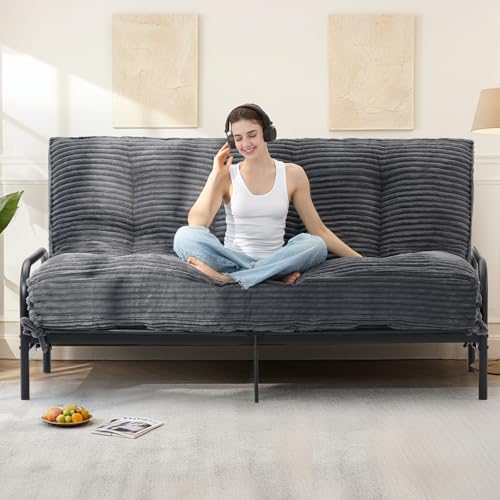
- ✓ Plush, breathable faux fur
- ✓ Great multi-use versatility
- ✓ Handy foldable design
- ✕ Fabric wrinkles initially
- ✕ Thickness needs settling time
| Size | Full |
| Thickness | 10 inches |
| Core / Foam | High-density support foam |
| Cover Material | Faux fur fabric (breathable) |
| Usage Modes | Futon, sofa bed, Japanese floor mattress |
| Closure / Portability Features | Foldable with two 2-meter straps for easy folding and storage |
You’re bending down to roll this NLDD 10″ futon mattress and are hit with that plush, faux fur surface under your fingertips. The fabric feels luxuriously soft—almost like a cozy blanket you can sleep on—yet breathes nicely as you flop onto it for a quick test sit.
First impression: the 10-inch height is noticeably substantial. When you lay it flat, the high-density support foam sits firm but forgiving, giving you a sense of solid support without the hard, unyielding feel you get from thinner mats.
In sofa mode, the mattress holds its shape well, and the included two long straps make folding feel almost effortless. You can roll it up, tie it, and stash it in a corner or under a table without wrestling with bulky bulk.
Switching to bed or floor mattress mode is where it shines. The surface stays evenly cushioned, and you don’t feel uneven lumps from the core—perfect for lounging, reading, or a guest attack on your spare bed setup.
For guests or dorm life, this is a win: it’s versatile, folds neatly, and the faux fur adds a touch of warmth that makes the space feel welcoming rather than clinical. Just be mindful that the fabric may show wrinkles initially, and the fullness settles over a couple of days.
Overall, you’ll appreciate the balance of comfort and practicality. It’s a true multi-use piece that adapts from sofa to bed with ease, without sacrificing support or style.
And at this price, it’s hard to beat the value for daily use or occasional sleepovers.
What Factors Should You Consider When Selecting the Best Futon Mattress?
When selecting the best futon mattress, several key factors should be considered to ensure comfort and suitability for your needs.
- Material: The materials used in a futon mattress can significantly affect comfort and durability. Common materials include cotton, foam, and innerspring; cotton offers breathability, foam provides support, and innerspring adds firmness, making it essential to choose based on your sleeping preferences.
- Thickness: The thickness of the mattress plays a critical role in comfort and support. Generally, thicker mattresses (around 8-10 inches) offer more cushioning and are better for regular sleeping, while thinner options (around 6 inches) may be suitable for occasional use or as a sofa.
- Firmness Level: Different firmness levels cater to various sleeping positions and preferences. Side sleepers may prefer a softer mattress for pressure relief, while back and stomach sleepers often benefit from a firmer mattress that supports proper spinal alignment.
- Size: It’s important to select a mattress size that fits your futon frame and your space requirements. Futon mattresses typically come in standard sizes like twin, full, or queen, so measuring your frame and available space is crucial before making a purchase.
- Versatility: Consider how you plan to use the futon mattress—whether for daily sleeping, occasional guests, or as a sofa. Some futon mattresses are designed to easily transition between sofa and bed modes, which can be a significant advantage for multifunctional furniture.
- Price: Budget is a key factor in selecting the best futon mattress. Prices can vary widely based on materials, thickness, and brand, so it’s essential to balance quality and affordability to find a mattress that meets your needs without breaking the bank.
- Durability: Look for a futon mattress that is built to last, as durability will affect long-term comfort and support. Checking customer reviews and warranty information can provide insights into the mattress’s lifespan and overall quality.
- Maintenance: Consider the ease of maintenance when choosing a futon mattress. Some mattresses come with removable and washable covers, which can help keep the futon clean and hygienic, while others may require special care or spot cleaning.
How Does the Material of a Futon Mattress Affect Your Sleep Experience?
- Memory Foam: Memory foam futon mattresses contour to the body, providing excellent support and pressure relief. This material is ideal for those who prefer a soft, cradling feel as it adapts to body shape and minimizes motion transfer, making it great for couples.
- Latex: Latex futon mattresses offer a balance of comfort and support with a responsive feel. They tend to be more durable than other materials and provide a bouncy surface that maintains its shape over time, making them suitable for those who sleep on their back or stomach.
- Innerspring: Innerspring futon mattresses feature coils that provide firm support and breathability. They are often preferred by those who like a traditional mattress feel and require more support for their spine, but may not offer the same level of comfort as foam alternatives.
- Hybrid: Hybrid futon mattresses combine various materials, such as foam and innerspring, to offer the benefits of both. These mattresses are designed to provide comfort, support, and temperature regulation, making them versatile for different sleeping positions and preferences.
- Cotton: Cotton futon mattresses are natural and breathable, offering a firm and traditional feel. They are lightweight and easy to fold, making them a good choice for those who want a simple, user-friendly option, but they may not provide the same level of support as foam or latex alternatives.
Why is the Thickness of a Futon Mattress Important for Comfort and Support?
The underlying mechanism is that a thicker mattress can better conform to the body’s contours, thus distributing weight more evenly across the sleeping surface. This prevents excessive sinking in certain areas, such as the hips and shoulders, which is crucial for maintaining proper spinal alignment. Additionally, a thicker futon mattress often incorporates higher-quality materials that enhance support and durability, leading to a more restful sleep experience. This is particularly important for individuals with specific health concerns or those who sleep in varied positions.
What Are the Key Durability Features to Look for in a Futon Mattress?
When selecting the best futon mattress, it’s important to consider several key durability features that will ensure longevity and comfort.
- Quality Materials: The materials used in a futon mattress significantly impact its durability and performance. High-quality materials such as natural latex, memory foam, or high-density foam offer better resilience and support, while cotton and polyester blends can enhance comfort and longevity.
- Stitching and Construction: The stitching quality and overall construction of the mattress can determine how well it withstands wear and tear. Reinforced seams and durable fabric covers can prevent fraying and tearing, ensuring that the mattress maintains its shape and structural integrity over time.
- Support Core: A strong support core, often made of innerspring coils or high-density foam, provides essential support and helps maintain the mattress’s shape. A well-constructed support system can prevent sagging and discomfort, thus extending the mattress’s lifespan.
- Hypoallergenic Properties: Futon mattresses with hypoallergenic materials are less likely to harbor dust mites, mold, and allergens, contributing to a healthier sleeping environment. This is especially important for individuals with allergies or sensitivities, as it can prolong the usability of the mattress.
- Water-Resistant Features: A water-resistant cover or treatment can enhance the durability of a futon mattress by protecting it from spills and accidents. This feature helps to prevent moisture-related damage and stains, making the mattress easier to maintain and clean.
- Washable Covers: Futon mattresses with removable and washable covers offer convenience and enhance durability by allowing for regular cleaning. This helps to keep the mattress fresh, improving hygiene and extending its overall lifespan.
What Are the Main Types of Futon Mattresses Available on the Market?
The main types of futon mattresses available on the market include:
- Traditional Cotton Futons: These futons are typically filled with layers of cotton batting, offering a firm and supportive sleeping surface.
- Memory Foam Futons: Memory foam futons provide a plush feel, contouring to the body to alleviate pressure points and enhance comfort.
- Innerspring Futons: Featuring a coil support system, innerspring futons combine the bounce of traditional mattresses with the versatility of futons.
- Latex Futons: Made from natural or synthetic latex, these futons offer excellent durability and breathability, making them suitable for those who prefer a more eco-friendly option.
- Hybrid Futons: Combining different materials, hybrid futons often incorporate layers of foam, cotton, and innerspring coils for a balanced sleeping experience.
Traditional cotton futons are the most common type and are known for their simplicity and affordability. They are typically thinner than other options, making them easy to fold and store, but may require regular fluffing to maintain their shape.
Memory foam futons have gained popularity for their ability to conform to the body, providing personalized support that can help reduce tossing and turning during the night. This type of futon is often heavier and may retain heat, so it’s important to consider your sleeping preferences when choosing this option.
Innerspring futons are designed with coils that offer enhanced support and a comfortable sleeping experience similar to that of a traditional mattress. They tend to be thicker and heavier, providing a bit more structure and bounce, making them a great option for everyday use.
Latex futons, whether natural or synthetic, are known for their resilience and longevity. They offer a unique combination of firmness and comfort, allowing for better airflow and temperature regulation, which can be especially beneficial for those who sleep hot.
Hybrid futons are an innovative option that blends various materials to cater to diverse comfort preferences. By merging elements like foam and innersprings, these futons aim to provide a well-rounded sleeping experience suitable for various sleep styles and needs.
What Are the Characteristics of Cotton Futon Mattresses?
Cotton futon mattresses are known for their natural composition and comfort, making them a popular choice for many. The main characteristics include:
- Natural Material: Cotton futon mattresses are primarily made from cotton fibers, offering a soft and breathable sleeping surface that is gentle on the skin.
- Firmness: These mattresses typically provide a firmer support compared to other types, which can be beneficial for those who prefer a more supportive sleeping experience.
- Weight: Cotton futon mattresses are generally lighter than their synthetic counterparts, making them easier to handle and move, especially in multi-functional spaces.
- Temperature Regulation: Due to the natural properties of cotton, these mattresses allow for better airflow, helping to regulate temperature and prevent overheating during sleep.
- Eco-Friendliness: Being made from natural materials, cotton futon mattresses are often considered more environmentally friendly than those made with synthetic materials, contributing to sustainable living practices.
The use of cotton as a primary material ensures that these mattresses are soft to the touch, providing a cozy and inviting sleeping environment. The natural fibers also contribute to its breathability, allowing moisture to evaporate and promoting a cooler sleep experience.
The firmness of cotton futon mattresses is particularly notable; while they provide a supportive surface, they also adapt to the body’s shape over time, offering a balance of comfort and support. This characteristic makes them suitable for a variety of sleeping positions, particularly for back and stomach sleepers.
In terms of weight, cotton futon mattresses are advantageous for those who frequently convert their futon from a couch to a bed. Their lighter frame makes it simpler to maneuver, especially in compact living spaces where versatility is key.
Temperature regulation is another significant benefit, as the natural cotton fibers help wick away moisture and promote air circulation. This feature is particularly advantageous in warmer climates or for those who tend to sleep hot, ensuring a more comfortable night’s rest.
Lastly, the eco-friendliness of cotton futon mattresses appeals to environmentally conscious consumers. Since cotton is a renewable resource, these mattresses can be a sustainable choice, reducing the impact on the environment compared to those made with synthetic materials that may take longer to decompose.
How Do Memory Foam Futon Mattresses Compare to Others?
| Feature | Memory Foam Futon | Innerspring Futon | Latex Futon |
|---|---|---|---|
| Comfort | Offers excellent support and contours to the body, reducing pressure points. | Firm feel with good bounce, but may not conform as well to the body. | Natural elasticity provides good support and comfort, hypoallergenic option. |
| Durability | Generally lasts 7-10 years with proper care, resistant to sagging. | Typically lasts 5-8 years, may develop lumps over time. | Durable and can last longer than both foam and innerspring options. |
| Price | Moderately priced, usually ranges from $200 to $600. | Usually more affordable, ranging from $150 to $400. | Higher price point, typically $300 to $800 due to natural materials. |
| Maintenance | Easy to maintain, usually just requires spot cleaning. | Requires regular flipping to maintain shape and comfort. | Minimal maintenance, but should be cleaned regularly to maintain hygiene. |
| Weight Capacity | Typically supports up to 400 lbs. | Usually supports around 300 lbs. | Can support up to 500 lbs. |
| Heat Retention | Tends to retain heat, may be warmer for some sleepers. | Better airflow, cooler sleeping surface. | Good breathability, stays cooler than memory foam. |
| Environmental Impact | May contain chemicals, but some are CertiPUR-US certified. | Typically less eco-friendly due to metal components. | Natural and sustainable, biodegradable options available. |
Innerspring Futon Mattresses: What Should You Know?
Innerspring futon mattresses are a popular choice for those seeking versatile sleeping solutions, combining comfort and support.
- Construction: Innerspring futon mattresses are made with a core of steel coils, which provide support and bounce. This construction allows for better weight distribution and helps maintain the mattress shape over time, making it ideal for both sleeping and sitting.
- Comfort Levels: These mattresses typically come in various comfort levels, from firm to plush. Choosing the right level depends on personal preference and sleeping position, as firmer options may be better for back sleepers while softer options cater to side sleepers.
- Durability: Innerspring mattresses are generally more durable than their foam counterparts due to the robust steel coils. This durability means they can withstand regular use without significant wear, making them a smart investment for a futon that doubles as a bed.
- Weight and Portability: While innerspring futon mattresses can be heavier than other types, they still offer reasonable portability. Some models are designed with lightweight materials to facilitate easy folding and storage, making them convenient for small living spaces.
- Price Range: Innerspring futon mattresses are available in a wide price range, catering to different budgets. You can find quality options at affordable prices, but investing in a higher-end model may offer better materials and longer-lasting comfort.
- Maintenance: Regular maintenance, such as rotating the mattress and cleaning it according to the manufacturer’s guidelines, can extend the life of an innerspring futon mattress. Additionally, using a mattress protector can help keep it clean and free from allergens.
What Benefits Do Futon Mattresses Offer for Your Home and Lifestyle?
Futon mattresses provide several advantages that enhance both home comfort and lifestyle versatility.
- Space-Saving Solution: Futon mattresses are ideal for small living spaces as they can easily be converted from a sofa to a bed. This multifunctionality allows for flexible use of rooms, making them perfect for apartments or guest rooms.
- Cost-Effective: Compared to traditional mattresses and sofas, futon mattresses tend to be more affordable, offering a budget-friendly option for those looking to furnish their homes without sacrificing comfort. This makes them a great choice for students or young professionals starting out.
- Variety of Styles: Futon mattresses come in various designs, colors, and materials, allowing homeowners to choose options that match their personal decor and style preferences. This versatility helps to enhance the overall aesthetic of any living space.
- Easy Maintenance: Many futon mattresses feature removable covers that can be washed, making them easier to maintain than traditional upholstery. This practicality is particularly beneficial for households with pets or children.
- Comfort and Support: Quality futon mattresses provide adequate support and comfort, often made from materials like memory foam or cotton blends that cater to different sleeping positions. This ensures that users can enjoy a restful night’s sleep, whether using it as a bed or a seating area.
- Portability: Futon mattresses are typically lighter and easier to move than traditional mattresses, making them a great option for those who relocate frequently. Their portability allows for simple transport and setup, whether in a new apartment or for guest accommodations.
How Can Futon Mattresses Maximize Space in Small Areas?
Futon mattresses offer versatile solutions for maximizing space in small areas.
- Space-saving design: Futon mattresses can be easily folded and stored, allowing for more floor space when not in use.
- Multi-functional use: They serve dual purposes as both a bed and a sofa, making them ideal for small living rooms or studio apartments.
- Variety of styles and sizes: Futon mattresses come in various designs and sizes, enabling users to choose options that fit their specific space constraints.
- Lightweight and portable: Many futon mattresses are lightweight, making them easy to move around, rearrange, or store away as needed.
Space-saving design: Futon mattresses are designed to be easily convertible, allowing them to be folded up when not in use. This feature helps maintain an open space in smaller rooms, where every square foot counts, enabling the room to feel less cluttered and more organized.
Multi-functional use: A futon can serve as a comfortable couch during the day and transform into a bed at night. This adaptability is particularly beneficial in small living spaces, where having separate furniture for sleeping and seating can be impractical and take up unnecessary room.
Variety of styles and sizes: Futon mattresses are available in numerous styles, colors, and sizes, catering to different aesthetic preferences and space requirements. This variety allows individuals to select a futon that complements their décor while maximizing functionality within their living area.
Lightweight and portable: Many futon mattresses are constructed from lightweight materials, making them easy to relocate or adjust as needed. This portability is advantageous in smaller spaces, where furniture arrangement may need frequent tweaking to optimize flow or accommodate different activities.
What Levels of Comfort Can You Expect from Different Futon Mattresses?
The levels of comfort you can expect from different futon mattresses vary widely based on materials, thickness, and construction.
- Traditional Cotton Futon: Made primarily of cotton batting, this type offers a firm feel that many appreciate for its simplicity and natural materials. However, it may compress over time, leading to less support and comfort, especially for side sleepers.
- Memory Foam Futon: Featuring layers of memory foam, these mattresses conform to the body, providing excellent support and pressure relief. They are ideal for those who prefer a softer feel and enjoy sinking into the mattress, but may retain heat, which could be uncomfortable in warmer climates.
- Innerspring Futon: Combining coils with padding, innerspring futons offer a balance of firmness and support, making them a good choice for those who alternate between sitting and sleeping. The coil system enhances breathability, but the overall comfort can vary greatly depending on the quality of the springs used.
- Latex Futon: Made from natural or synthetic latex, these futons are known for their durability and resilient support. They provide a medium to firm feel and are hypoallergenic, making them suitable for allergy sufferers, though they can be more expensive than other options.
- Hybrid Futon: Combining different materials like foam and innerspring coils, hybrid futons aim to deliver the best of both worlds—support and comfort. This versatility allows users to enjoy a plush surface with underlying support, but the weight and thickness may be a drawback for some when it comes to folding and storing.
How Do You Choose the Best Futon Mattress for Your Needs?
Choosing the best futon mattress involves considering several key factors to ensure comfort and functionality.
- Material: The material of the futon mattress significantly affects its comfort and durability. Common materials include cotton, foam, and innerspring; cotton offers breathability and softness, foam provides support and firmness, while innerspring gives a traditional mattress feel with added bounce.
- Thickness: The thickness of the mattress can influence both comfort and support. Thicker mattresses, typically around 8-10 inches, offer more cushioning for sleeping, while thinner options may be better for sitting or if space is limited.
- Firmness Level: The firmness level can vary widely, affecting how supportive the mattress feels. Softer mattresses are ideal for side sleepers as they contour to the body, while firmer options are better for back and stomach sleepers, providing adequate support for the spine.
- Size: The size of the futon mattress should match the futon frame for optimal use. Common sizes include twin, full, and queen, and it’s essential to choose one that fits well to avoid discomfort or wear and tear on the mattress.
- Dual Functionality: Many futon mattresses are designed for dual use, serving as both a bed and a couch. Look for features like foldability and how well the mattress retains its shape when converted from a bed to a sofa, ensuring it remains comfortable in both configurations.
- Price: Budget is a crucial consideration when choosing a futon mattress. Prices can vary significantly based on materials and construction quality; therefore, it’s important to find a balance between affordability and the quality needed for long-term use.
- Brand Reputation: Researching brand reputation can provide insights into the quality and durability of the mattress. Established brands often have customer reviews and warranties that can offer reassurance regarding your investment.
What Should You Look for in Customer Reviews for Futon Mattresses?
When evaluating customer reviews for futon mattresses, consider the following aspects:
- Comfort Level: Look for comments on how comfortable the mattress is for sleeping and sitting. Reviews should mention the firmness level, support, and whether users felt well-rested after sleeping on it.
- Durability: Check for feedback regarding the longevity of the mattress. Customers often share their experiences on how well the mattress holds up over time, including any sagging or loss of shape.
- Ease of Conversion: Read about how easy it is to convert the futon from a sofa to a bed and vice versa. Customers will often provide insights on the mechanism’s functionality and whether it requires significant effort.
- Materials Used: Pay attention to reviews that discuss the materials of the mattress. High-quality materials can indicate better comfort and durability, so it’s important to note any mentions of foam types, cotton blends, or other components.
- Size and Fit: Look for comments on whether the mattress fits well in various spaces. Reviews may also highlight how well it fits in standard futon frames and if there are any sizing discrepancies.
- Value for Money: Consider feedback on whether customers feel the mattress is worth its price. Many reviews will compare the futon mattress to other types of mattresses in terms of cost-effectiveness and overall satisfaction.
- Return Policies and Customer Service: Look for mentions of the seller’s return policy and customer service experiences. Positive reviews about responsive customer service can be a good indicator of a reliable brand.
How Do You Compare Different Brands and Models Effectively?
| Brand/Model | Price | Material | Comfort Level | Warranty | Ratings/Reviews | Sizes Available | Weight Limit | Trial Period |
|---|---|---|---|---|---|---|---|---|
| Brand A | $200 – Mid-range price, good value | Memory Foam – Soft and supportive | Medium – Suitable for most sleepers | 10 years – Comprehensive coverage | 4.5/5 – Highly rated for comfort | Full, Queen, King | 500 lbs | 30 days |
| Brand B | $300 – Higher-end option | Latex – Durable and resilient | Firm – Ideal for back sleepers | 5 years – Limited warranty | 4.0/5 – Praised for support | Queen, King | 600 lbs | 60 days |
| Brand C | $150 – Budget-friendly choice | Polyester – Basic cushioning | Soft – Great for side sleepers | 1 year – Basic coverage | 3.5/5 – Good for price | Twin, Full | 400 lbs | 14 days |
What Maintenance Tips Can Help Extend the Life of Your Futon Mattress?
To extend the life of your futon mattress, consider the following maintenance tips:
- Regular Flipping: Flipping your futon mattress every few months helps to distribute wear evenly, preventing sagging in one area. This practice allows both sides of the mattress to maintain their shape and comfort over time.
- Use a Mattress Protector: A high-quality mattress protector shields your futon from spills, stains, and dust mites. This additional layer not only keeps the mattress clean but also reduces the need for frequent deep cleaning, which can wear down the material.
- Vacuum Frequently: Regularly vacuuming your futon mattress removes dust, dirt, and allergens that can accumulate over time. Using a handheld vacuum with an upholstery attachment is ideal for maintaining cleanliness without damaging the fabric.
- Avoid Excessive Moisture: Keep your futon mattress dry by avoiding damp environments and using a dehumidifier if necessary. Moisture can lead to mold and mildew growth, both of which can deteriorate the materials and affect your health.
- Store Properly: If you need to store your futon mattress, do so in a cool, dry place, ideally flat or in a way that prevents creasing. Proper storage helps maintain the integrity of the mattress, preventing permanent indentations and material breakdown.
- Spot Clean Stains Promptly: Address spills or stains quickly with a gentle cleaning solution to prevent them from setting. Using a soft cloth and mild soap ensures that the fabric remains intact while keeping the mattress looking fresh.
- Check for Damage: Regularly inspect your futon mattress for any signs of wear or damage, such as tears or broken seams. Early detection of issues allows for timely repairs, which can significantly prolong the lifespan of your mattress.
What Cleaning Practices are Essential for Maintaining Futon Mattresses?
Essential cleaning practices for maintaining futon mattresses ensure longevity and hygiene.
- Regular Vacuuming: Vacuuming your futon mattress regularly helps to remove dust, dirt, and allergens that can accumulate over time. Use an upholstery attachment to gently lift debris without damaging the fabric.
- Spot Cleaning: For stains or spills, it’s important to treat them immediately using a mild detergent and water solution. Blot the area instead of rubbing to avoid spreading the stain and ensure that the mattress dries thoroughly afterward.
- Air Out the Mattress: Periodically airing out your futon mattress helps to eliminate moisture and odors. This can be done by placing it outside on a sunny day, as sunlight can also help kill bacteria and dust mites.
- Use a Mattress Protector: Investing in a high-quality mattress protector can shield your futon from spills, stains, and allergens. This protective layer is easier to clean and can extend the life of your futon mattress significantly.
- Rotate and Flip: To ensure even wear, it’s advisable to rotate and flip your futon mattress regularly. This practice helps maintain its shape and comfort over time, preventing sagging in specific areas.
- Professional Cleaning: For deep cleaning or if your mattress has persistent odors or stains, consider hiring a professional cleaning service that specializes in futon mattresses. They can use specialized equipment and techniques to thoroughly clean without damaging the material.
When Should You Consider Replacing Your Futon Mattress?
Consider replacing your futon mattress when certain signs indicate its decline in quality and comfort.
- Visible Wear and Tear: If your futon mattress shows signs of sagging, lumps, or fraying fabric, it’s time to consider a replacement.
- Unpleasant Odors: A persistent odor that doesn’t dissipate after cleaning could indicate mold or mildew, suggesting the mattress is beyond saving.
- Decreased Comfort: If you find yourself waking up with aches and pains or feeling uncomfortable during the night, your mattress may no longer provide adequate support.
- Allergy Symptoms: Increased allergy symptoms or respiratory issues can indicate that your futon mattress has accumulated allergens like dust mites or pet dander.
- Age of the Mattress: Generally, if your futon mattress is over 7-10 years old, it may be time to consider a replacement, as materials can degrade over time.
Visible wear and tear is one of the most apparent indicators that your futon mattress needs replacing. When the mattress starts to sag or develops lumps, it can significantly affect your sleep quality, making it uncomfortable to lie on.
Unpleasant odors can be a major red flag for futon mattresses. If your mattress has a persistent smell that cleaning doesn’t eliminate, it may be harboring mold or mildew, which can be harmful to your health.
Decreased comfort is another sign that your futon mattress may need to be replaced. If you consistently wake up feeling sore or unrested, it likely means the mattress is no longer providing the necessary support for a good night’s sleep.
Allergy symptoms can often be traced back to your bedding, including your futon mattress. If you notice a spike in allergy-related issues, it could be due to dust mites or other allergens trapped in an old mattress, necessitating a change.
The age of the mattress is also a crucial factor; typically, futon mattresses have a lifespan of about 7-10 years. After this period, the materials used in the mattress can begin to deteriorate, affecting both comfort and support.
Related Post: