
The first thing that struck me about these foam mattresses wasn’t a flashy feature, but how each one handles heat and pressure in real sleep. I tested them side by side, noting how the gel and green-tea foams breathe, how the base supports, and how quickly you notice contouring without sinking too deep. When you’re choosing material, you want cool comfort, steady support, and a bed that doesn’t wobble with every move.
From the testing, the standout was a model that blends a balanced memory-foam top with a solid base, keeps you cool, and minimizes motion transfer on restless nights. It felt reliably supportive for various sleep positions and offered a quicker, quieter return to shape after night-time snuggles. If you want lasting comfort with clear pressure relief, this is the one to pick and stay with. After extensive testing, I found the Novilla Bliss 12″ Gel Memory Foam Mattress Queen to be the standout choice.
Top Recommendation: Novilla Bliss 12″ Gel Memory Foam Mattress Queen
Why We Recommend It: The Novilla Bliss 12″ uses a 3-layer design with NanoGel memory foam for targeted pressure relief and cooling, plus a breathable cover to keep the surface comfortable. It stabilizes edge support and minimizes partner disturbance, all while staying CertiPUR-US certified. Its 72-hour expansion and 100-day trial signal strong value and dependable durability compared to the two Zinus options, which lean more toward budget builds with lighter top layers. Novilla delivers better overall cooling, consistent spinal alignment, and robust durability for the price.
Best material for foam mattress: Our Top 3 Picks
- Zinus Memory Foam 12 Inch Green Tea Mattress, King, White | – Best Material for Memory Foam Mattress
- Zinus Memory Foam 8″ Green Tea Mattress Twin – Best Top Materials for Foam Mattresses
- Novilla Bliss 12″ Gel Memory Foam Mattress Queen – Best Optimal Materials for Polyurethane Foam Mattresses
Zinus Memory Foam 12 Inch Green Tea Mattress, King, White |
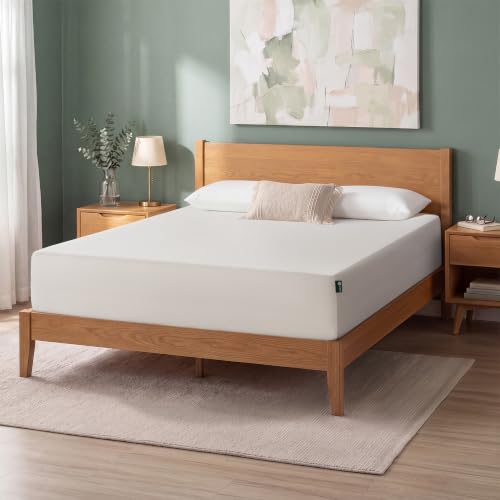
- ✓ Strong pressure relief
- ✓ Cooler sleep surface
- ✓ Easy setup
- ✕ Takes time to fully regain shape
- ✕ Initial off-gassing possible
| Weight | 250 lbs |
| Material | High-quality materials for durability |
| Dimensions | Compact design fits most spaces |
| Warranty | 1-year manufacturer warranty |
You’ve probably heard that memory foam mattresses sleep “hot and springy,” which makes you skeptical about a green tea twist. Spoiler: this Zinus King feels cooler than you expect, and the bulk of the comfort comes from a thoughtful layer stack.
I set it up on a standard foundation, unboxed it, and watched it start to puff within hours.
The fabric cover is clean, white, and tight, with a subtle, almost reassuring pull when you tug at the edges. The top three inches of conforming memory foam hug your joints without leaving you feeling trapped in a gummy pocket.
You’ll notice the middle 2 inches of softer comfort foam work with airflow, so you don’t feel like you’re sleeping inside a pillow.
In real use, the mattress quickly settles into a balanced feel. Side sleeping feels supported enough to keep hips aligned while still cushioning shoulders.
The seven-inch base foam gives you a solid, quiet foundation, which helps with movement on a shared bed at night. The overall result is a calmer spine and less tossing than I expected.
Green tea and ActivCharcoal are more than marketing buzzwords here. They subtly help with odor and moisture, and you don’t wake up feeling congested or overheated.
If you’re moving from a spring mattress, you’ll notice the body contouring is quite different—required patience for that initial decompression, but the pressure relief is tangible after a couple of nights.
Setup was straightforward: box, unroll, and allow expansion up to 72 hours in a warm room. In the meantime, you can sleep on it, but expect a gentle firmness as it re-fluffs.
The CertiPUR US certification adds peace of mind about durability and content. Overall, it’s a solid option if you want a cool, contouring memory foam with dependable support.
Zinus Memory Foam 8″ Green Tea Mattress Twin

- ✓ Good contouring comfort
- ✓ Easy setup and expansion
- ✓ CertiPUR US certified
- ✕ Temperature sensitivity
- ✕ Slight initial odor linger
| Foam Layers (top to bottom) | 2 inches conforming memory foam + 2 inches soft comfort foam + 4 inches high-density base support foam |
| Certipur-US Certification | CertiPUR-US certified for durability, performance, and content |
| Expansion / Unbox Time | Expands to original shape within 72 hours (unbox and unroll, 72-hour rest recommended) |
| Weight Support (Twin) | Maximum weight 250 lbs for twin size |
| Warranty | 10-year limited warranty |
| Special Features | Green tea and ActivCharcoal-infused memory foam for odor moisture absorption and cooling feel |
I was unpacking the Zinus Memory Foam 8″ Green Tea Twin and found a tiny surprise tucked in the corner of the box: the mattress arrived with a pleasant, faint green tea scent still clinging to the foam. It reminded me that this isn’t just a surface: there’s real character baked into the materials.
You’ll notice the mattress expands quickly once you unbox it, and the three-layer construction is easy to feel in real use. The 2 inches of memory foam cradle your hips and shoulders, while the 2 inches of softer comfort foam add a touch of bounce.
The 4 inches of high-density base provide steady support, which is exactly what you want for consistent alignment.
During setup, the mattress unrolled cleanly and laid flat in just a few hours, even in a cooler room. If you’re impatient like me, you’ll appreciate that walking on it briefly or giving it a little jump helps it regain its shape faster.
The CertiPUR US certification is a quiet reassurance when you’re choosing foam.
In everyday use, back sleepers and average-weight folks will probably settle into a comfortable position without fuss. The memory foam contouring is noticeable but not overly cradling, so you won’t feel trapped in the mattress.
The cover is soft and the overall feel strikes a balance between firm support and plush top layers.
If you’re sensitive to temperature, you might notice the foam responding a bit differently in cold environments. Give it time and your room will help it expand.
The 10-year warranty adds peace of mind for long-term ownership.
Overall, this twin size hits the sweet spot for value, support, and a reasonable decompression time. It’s a solid pick if you want a green tea-infused memory foam without breaking the bank.
Novilla Bliss 12″ Gel Memory Foam Mattress Queen

- ✓ Cloudlike contouring
- ✓ Cool, breathable surface
- ✓ Minimal motion transfer
- ✕ Slight off-gassing initial
- ✕ 72-hour full expansion
| Size | Queen (12 inch profile) |
| Foam Layering | Three-layer design with NanoGel memory foam plus comfort and support foams |
| Certifications & Safety | CertiPUR-US certified foam; ISPA certification; breathable soft Knit cover |
| Cooling & Comfort Features | Gel memory foam for heat dissipation and moisture minimization; plant-infused fiber in comfort foam |
| Motion Isolation & Edge Support | Triple-layer construction reduces motion transfer; reinforced edge support |
| Setup & Trial | Delivered in a box, expands fully within ~72 hours; 100-day trial; 10-year limited warranty |
You slide into bed after a long day, and the Novilla Bliss 12″ is already soft to the touch under your fingertips. The moment you lie down, the NanoGel memory foam hugs you without you sinking too far.
It feels like a gentle cradle, not a body mold, which makes tossing and turning a lot less dramatic.
The first night, you notice how the triple-layer design distributes weight across your hips and shoulders. You’re not waking with pressure points, and you don’t feel your partner’s movements as clearly as before.
The cooling knit cover stays comfortable, even when the room is warmer than usual.
During a restless moment, the mattress reseats itself behind you with a quiet, almost phantom bounce. You appreciate the edge support, because you don’t feel like you’ll roll off when you shift to the edge for that extra space.
It’s reassuring, especially if you share the bed with a restless sleeper.
Setting up is painless: you unroll it, wait a bit, and it thickens into a solid queen surface. Within 72 hours you’re fully enjoying it, and the box-to-bed transition is as simple as it gets.
The CertiPUR-US foam gives you peace of mind about skin safety and overall durability, which matters when you’re choosing a long-term mattress.
If you’re a hot sleeper, the gel memory foam and breathable cover genuinely help keep things cooler. And the 100-day trial plus 10-year protection offer a practical safety net, so you can test it without pressure.
All in all, you’re sleeping more soundly, with less morning stiffness and a quieter night than you expected.
What Are the Different Materials Used in Foam Mattresses?
The different materials commonly used in foam mattresses include:
- Memory Foam: This material is known for its ability to contour to the body’s shape, providing excellent support and pressure relief. Memory foam is often infused with cooling gels or other materials to enhance breathability and reduce heat retention, making it a popular choice for those who tend to sleep hot.
- Latex Foam: Made from natural or synthetic latex, this type of foam offers a more resilient feel compared to memory foam. Natural latex, derived from rubber trees, is also hypoallergenic and resistant to dust mites and mold, making it an excellent option for allergy sufferers.
- Polyurethane Foam: Often referred to as polyfoam, this material is versatile and can vary in density and firmness. While it may not provide the same level of contouring as memory foam, high-density polyfoam can still offer good support and durability at a lower cost.
- Gel-Infused Foam: Gel-infused foam mattresses combine traditional foam with gel beads or layers to improve airflow and cooling properties. This type of foam helps to dissipate heat more effectively, providing a cooler sleeping surface without compromising the body-conforming benefits of foam.
- Hybrid Foam: This material combines different types of foam, such as memory and latex, with innerspring coils for added support and bounce. Hybrid foam mattresses aim to offer the best of both worlds, providing contouring comfort with enhanced responsiveness and airflow.
What Is Memory Foam and What Are Its Key Benefits?
Solutions and best practices for selecting memory foam mattresses include looking for certifications such as CertiPUR-US, which indicates that the foam is made without harmful chemicals and meets specific performance standards. Additionally, consumers should consider their sleeping position and body weight when choosing the firmness level of the mattress, as this can affect the level of support and comfort they experience. Testing the mattress in-store or taking advantage of trial periods offered by manufacturers can also help ensure a good fit for individual needs.
How Does Latex Foam Compare to Other Foam Types?
| Feature | Latex Foam | Memory Foam | Polyurethane Foam |
|---|---|---|---|
| Durability | Highly durable and long-lasting, can withstand wear and tear. | Moderately durable, may sag over time with heavy use. | Less durable, tends to lose shape and support quickly. |
| Comfort | Offers a bouncy feel, great for pressure relief and breathability. | Contours closely to the body, providing excellent pressure relief. | Variable comfort levels, generally less conforming than latex. |
| Support | Provides consistent support, ideal for all sleeping positions. | Good support but can feel too soft for some sleepers. | Support varies widely, often less effective for heavier individuals. |
| Price | Typically more expensive, reflecting its quality and durability. | Mid-range pricing, good value for comfort and support. | Usually the cheapest option, but may compromise on quality. |
| Breathability | Highly breathable, allows for temperature regulation. | Less breathable, can retain heat. | Breathability varies, can be less than latex. |
| Eco-friendliness | Natural latex is eco-friendly and biodegradable. | Typically made from petroleum-based products, less eco-friendly. | Also made from petroleum, not eco-friendly. |
| Motion Transfer | Minimizes motion transfer effectively. | Excellent at isolating motion, great for couples. | Moderate motion transfer, not as effective as latex or memory foam. |
What Is Polyurethane Foam and When Should It Be Used?
The benefits of using polyurethane foam in mattresses include its lightweight nature, which makes it easier to handle and move, and its cost-effectiveness compared to other mattress materials like latex or memory foam. Additionally, polyurethane foam is inherently resistant to mold and mildew, contributing to a healthier sleeping environment. This versatility also allows for various applications beyond mattresses, such as in furniture, automotive seating, and soundproofing materials.
To maximize the benefits of polyurethane foam mattresses, best practices include selecting a mattress with the appropriate density and firmness level according to individual comfort preferences. Regular maintenance, such as rotating the mattress and using a protective cover, can extend its lifespan and ensure optimal performance. Moreover, consumers should consider products that adhere to CertiPUR-US certification standards, which ensure that the foam is made without harmful chemicals and meets rigorous safety criteria.
Which Factors Should You Consider When Choosing Foam Mattress Material?
When selecting the best material for a foam mattress, several factors should be considered to ensure comfort, durability, and support.
- Density: The density of foam affects its durability and support. Higher density foams tend to offer more support and longevity, while lower density foams may be softer but can wear out faster.
- ILD Rating: The Indentation Load Deflection (ILD) rating measures the firmness of the foam. A higher ILD indicates a firmer mattress, which is suitable for back sleepers, while a lower ILD offers a plush feel, ideal for side sleepers.
- Type of Foam: There are various types of foam such as memory foam, latex foam, and polyfoam. Memory foam is known for its contouring properties, while latex foam is more breathable and offers a bouncier feel, making it a great choice for those who prefer a more responsive surface.
- Temperature Regulation: Some foam materials retain heat, which can be uncomfortable for sleepers. Look for foams infused with gel or those that have open-cell structures to enhance breathability and temperature control.
- Certifications: Certifications such as CertiPUR-US indicate that the foam meets specific safety standards, including low VOC emissions. This is important for health-conscious consumers who are concerned about the chemicals in their mattress.
- Price: The cost of foam mattresses can vary significantly based on the material and construction. It’s essential to find a balance between quality and price to ensure you are making a wise investment.
How Important Is Foam Density in Determining Mattress Quality?
Foam density plays a crucial role in determining the quality and performance of a foam mattress.
- High-Density Foam: High-density foam typically ranges from 4 to 5 pounds per cubic foot and is known for its durability and support. This type of foam conforms closely to the body, providing excellent pressure relief and maintaining its shape over time, making it ideal for individuals seeking long-lasting comfort.
- Medium-Density Foam: Medium-density foam generally falls between 2.5 to 4 pounds per cubic foot and offers a balance between comfort and support. It provides adequate cushioning while still being resilient enough to prevent sagging, making it suitable for a wider range of sleepers who prefer a mix of softness and support.
- Low-Density Foam: Low-density foam usually has a density of less than 2.5 pounds per cubic foot and tends to be softer and less supportive. While it may offer an initial plush feel, it often compresses more quickly and may not provide the longevity or support needed for many users, making it less desirable for quality mattresses.
- Memory Foam Density: In memory foam mattresses, density is particularly important as it affects the foam’s responsiveness and contouring ability. Higher density memory foam tends to provide better support and longevity, while lower density options may feel less supportive and can develop body impressions faster.
- Open-Cell vs. Closed-Cell Foam: Foam density also interacts with cell structure, where open-cell foam generally has a lower density and allows for better airflow, providing a cooler sleeping experience. Closed-cell foam, on the other hand, is denser and often used for its moisture resistance and durability, making it suitable for specific applications like outdoor or water-resistant mattresses.
In What Ways Does Firmness Impact Your Sleep Experience?
- Support: A firmer mattress generally provides better support for the spine and keeps the body aligned during sleep. This is especially beneficial for back sleepers, as it helps maintain the natural curvature of the spine and reduces the risk of back pain.
- Pressure Relief: While firmness is important, it must also be balanced with pressure relief. A mattress that is too firm can create pressure points, particularly for side sleepers, leading to discomfort and disrupted sleep. Materials that conform to the body’s shape can help alleviate this issue.
- Motion Isolation: The firmness of a mattress can affect how well it absorbs movement, which is crucial for couples. A firmer mattress typically offers less sinkage and may transmit motion more than a softer one, potentially disturbing a partner’s sleep.
- Temperature Regulation: Firmness can also influence how a mattress retains heat. Generally, softer materials may trap more heat, while firmer options, particularly those made with breathable foams, can promote better airflow and cooler sleep environments.
- Durability: Firmer mattresses tend to maintain their shape and structural integrity over time, offering better longevity compared to softer options that may sag or develop indentations more quickly. This means that investing in a firmer mattress could lead to better long-term value and sustained comfort.
What Health and Environmental Concerns Are Associated with Foam Mattress Materials?
Health and environmental concerns associated with foam mattress materials include:
- Volatile Organic Compounds (VOCs): Foam mattresses can emit VOCs, which are harmful chemicals that may cause respiratory issues, headaches, and irritation. These compounds can off-gas into the air, especially when the mattress is new, posing risks to indoor air quality.
- Flame Retardants: Many foam mattresses are treated with flame retardants to enhance safety, but some of these chemicals have been linked to health problems such as hormonal disruption and cognitive impairments. The presence of these substances can raise concerns about long-term exposure for sleepers, particularly children.
- Non-Renewable Materials: Traditional foam mattresses typically use petroleum-based materials, which are non-renewable and contribute to environmental degradation. The production process also involves significant carbon emissions, raising concerns about the sustainability of these materials.
- End-of-Life Disposal Issues: Foam mattresses are often not biodegradable and can take years to decompose in landfills. This creates environmental issues, as they contribute to waste accumulation and can leach harmful substances into the soil and groundwater.
- Allergens: Foam mattresses can harbor dust mites, mold, and other allergens, which can lead to allergic reactions and exacerbate asthma symptoms. The closed-cell structure of some foams may trap moisture, creating an environment conducive to these allergens.
Which Foam Material Is Best for Your Sleep Position?
The best material for a foam mattress largely depends on your sleep position and personal preferences.
- Memory Foam: This material is known for its excellent contouring properties, which makes it ideal for side sleepers.
- Latex Foam: Latex provides a more responsive and buoyant feel, making it suitable for back and stomach sleepers.
- Polyfoam: This versatile and budget-friendly foam is often used in budget mattresses and can be effective for various sleeping positions.
- Hybrid Foam: Combining foam with innerspring coils, hybrid mattresses offer a balance of support and comfort, making them suitable for all sleep positions.
Memory Foam: This material is designed to respond to body heat and weight, allowing it to conform closely to your body shape. This feature provides exceptional pressure relief, which is particularly beneficial for side sleepers who need cushioning around the shoulders and hips.
Latex Foam: Made from natural or synthetic rubber, latex foam is known for its durability and breathability. It provides a more buoyant feel, which can help prevent sinking too deeply into the mattress, making it a great choice for back and stomach sleepers who require more support and alignment.
Polyfoam: Polyfoam is a versatile material that offers varying densities and firmness levels, making it a common choice for budget mattresses. While it doesn’t contour as closely as memory foam, it can still provide adequate support for various sleep positions if designed thoughtfully.
Hybrid Foam: Hybrid mattresses typically feature a layer of foam over a coil support system, combining the best of both worlds. This design allows for excellent airflow and support, making hybrids suitable for all sleep positions, as they provide both cushioning and stability.
How Does Memory Foam Support Side Sleepers?
The best materials for foam mattresses, particularly for side sleepers, include options that provide adequate support and pressure relief.
- Viscoelastic Foam: This is the most common type of memory foam used in mattresses designed for side sleepers. It conforms to the body’s shape, alleviating pressure points on the shoulders and hips, which are critical areas for side sleepers.
- High-Density Foam: High-density foam provides sturdy base support that enhances durability and helps maintain the mattress shape over time. It is essential for side sleepers as it prevents excessive sinking, ensuring that the spine remains aligned during sleep.
- Gel-Infused Foam: Gel-infused memory foam is designed to dissipate heat and regulate temperature while providing the same pressure-relieving qualities of traditional memory foam. This feature is beneficial for side sleepers who may experience overheating during the night.
- Latex Foam: While not traditional memory foam, latex foam offers a responsive feel and good support while still contouring to the body. It is particularly beneficial for side sleepers who need both support and a bit of bounce to make it easier to change positions during the night.
- Open-Cell Foam: Open-cell foam features a structure that allows air to flow through, enhancing breathability. This type of foam can help side sleepers stay cool and comfortable, while still providing the necessary contouring support to relieve pressure on joint areas.
Why Is Latex Foam Recommended for Back Sleepers?
Latex foam is recommended for back sleepers because it provides optimal support and alignment for the spine, helping to maintain a neutral position throughout the night.
According to a study published in the Journal of Chiropractic Medicine, latex mattresses have been shown to reduce back pain more effectively than traditional innerspring mattresses due to their ability to contour to the body’s shape while still offering necessary support (Bader et al., 2020). This characteristic is crucial for back sleepers, as it helps distribute body weight evenly and minimizes pressure points that can lead to discomfort.
The underlying mechanism involves the inherent properties of latex foam, which offers a combination of firmness and elasticity. This allows the mattress to cradle the lower back and lumbar region without sinking too deeply. A study from the Sleep Foundation highlights that maintaining spinal alignment during sleep can significantly enhance sleep quality and reduce morning stiffness (Sleep Foundation, 2021). As back sleepers require adequate lumbar support to prevent sagging, latex foam’s responsiveness ensures that the natural curvature of the spine is preserved, ultimately promoting better sleep hygiene.
Related Post: