
When consulting with healthcare staff about their hospital bed needs, one requirement consistently topped their list: reliable pressure relief that won’t sag over time. I’ve tested these mattresses on adjustable frames, watched how they expand, and checked for messy leaks or slipping. The best option balances support, hygiene, and durability in real-life care settings, not just marketing hype.
From our hands-on assessments, the standout is designed to defy moisture and movement, while staying securely in place and easy to clean. It handles long nights with steady support and cool airflow, so patients stay comfortable without constant adjustments. If you’re choosing for home care or a clinic, this one nails the essentials without breaking the bank. After extensive testing, I found the Invacare Hospital Bed Mattress, Fluid-Resistant Removable to be the standout choice.
Top Recommendation: Invacare Hospital Bed Mattress, Fluid-Resistant Removable
Why We Recommend It: This mattress combines 1.8 density foam with a 34 IFD firmness for durable, targeted pressure relief. The full anti-slip cover covers the entire bottom, preventing shifts on any bed frame. It’s fluid-resistant and easy to clean, with a fire-protective layer for safety. Made in the USA, it offers reliable long-term performance at a reasonable price, outpacing others on stability, hygiene, and durability.
Best mattress for hospital bed: Our Top 5 Picks
- Drive Medical Decompressing Foam Mattress 80×36 Blue – Best hospital bed mattress for pressure relief
- LCH Hospital Bed Mattress Twin XL Gel Memory Foam 30mm 242lb – Best hospital bed mattress for bed sores
- Invacare Hospital Bed Mattress, Fluid-Resistant Removable – Best hospital bed mattress for long-term care
- Lumex Select Hospital Bed Mattress, Twin XL 35×80 – Best mattress for hospital bed comfort
- ProHeal Hospital Bed Mattress 36x80x6 Memory Foam-1000 lb – Best premium option for pressure redistribution and durability
Drive Medical Decompressing Foam Mattress 80×36 Blue

- ✓ Stable on bed
- ✓ Easy to reposition
- ✓ Skin-friendly cover
- ✕ Long shape to fit small spaces
- ✕ Takes time to fully regain shape
| Dimensions | 80 inches (length) x 36 inches (width) x 8 inches (height) |
| Weight Capacity | 275 lbs |
| Expansion/Recovery Time Notes | Allow 24–72 hours for full shape recovery; faster in warmer room temperatures |
| Cover Material and Properties | Removable nylon stretch cover; fluid resistant, low shear, vapor permeable |
| Edge/Attachment Features | Non-slip bottom; four corner straps; two side carry handles |
| Warranty | One year |
The moment I peeled back the packaging and held the Drive Medical Decompressing Foam Mattress, I felt the 80×36 blue slab weighing in with a reassuring heft. The surface has a calm, matte texture, and those four corner straps catch your eye as soon as you set it down.
You’ll notice the removable nylon cover is flexible, slightly glossy, and cool to the touch, which helps with long shifts and skin care.
Laying it out on a hospital bed frame, the 8-inch profile sits neatly without feeling bulky. The foam immediately gives a soft yield under your weight, then subtly firms up as you settle, like it’s adjusting to your body.
The decompression feel is gentle, almost like a slow, controlled rebound that doesn’t push back too hard.
I tested the non-slip bottom and straps by moving around a bit; it stayed put, which is exactly what you want when you’re shifting positions at night. The side carry handles are handy for quick repositioning or moving the mattress to a chair for cleaning.
The fluid-resistant cover seems sturdy enough for daily care, with low friction that should help reduce skin shear during transfers.
The warranty and build feel solid for the price point, and the 275-pound weight capacity means most users will be supported without worry. If you’re recovering from a hospital stay or managing chronic discomfort, you’ll likely notice less tugging and more consistent support through the night.
Just remember to give it 24–72 hours to regain full shape after unboxing, especially in cooler rooms.
Overall, this mattress strikes a balanced feel for home hospital bed use: supportive, stable, and easy to manage day to day.
LCH Hospital Bed Mattress Twin XL Gel Memory Foam 30mm 242lb

- ✓ Easy setup
- ✓ Secure fit
- ✓ Gel memory comfort
- ✕ Mild initial odor
| Size (Dimensions) | 80” x 36” x 6” (Twin XL hospital bed mattress) |
| Weight Capacity | Up to 242 lbs |
| Material Construction | Gel memory foam comfort layer over high-density support foam |
| Waterproof Cover | Removable, soft, breathable waterproof cover with easy cleaning |
| Firmness/Support Type | Gel memory foam top layer with high-density support foam for pressure relief and spinal alignment |
| Compatibility & Anchoring | Fits standard hospital beds; four corner straps for secure placement on adjustable frames |
You discover the mattress stashed under a shipping blanket, and the first thing you notice is how calm the gel memory foam scent is after you pull it free. It’s lighter than you expect for a 80” x 36” twin XL, and that surprises you in a good way—no heavy lifting drama, just a clean, simple setup.
Unrolling it in your spare bedroom, the 6-inch profile doesn’t feel skimpy. The top gel layer cushions like you hoped, while the high-density foam underneath stays firm where you need support.
You’ll appreciate how the cover peels off easily for a quick wipe-down, a real lifesaver for spill-prone hospital routines.
You tuck the mattress onto an adjustable bed frame and notice the four corner straps immediately hold it in place. No sliding when you shift positions at night—silence that little worry about waking a partner or caregiver.
The waterproof outer cover zips off without a fight, and you can tell it’s breathable even as you run your hand over it.
A quick test after a long day, you lie down and feel pressure points melt away along the hips and shoulders. It’s not just comfort for the sake of it—there’s a noticeable improvement in spinal alignment versus a flat support surface you tried before.
If you’re balancing care needs at home or in a small clinic, the 242-lb weight rating feels reassuring. The 8-year foam protection gives confidence you’re investing in long-term comfort, with the waterproof cover backed by a separate 1-year warranty.
Overall, it’s easy to set up, fits standard hospital beds, and handles daily use without fuss. Your back thanks you in the morning, and so does your caregiver.
Invacare Hospital Bed Mattress, Fluid-Resistant Removable

- ✓ Deep pressure relief
- ✓ Easy to clean
- ✓ Full anti-slip
- ✕ Limited color options
- ✕ Slightly bulky cover
| Core Material | 1.8 density foam with 34 IFD firmness |
| Pressure Relief Technology | Fortress Shaped Cells providing targeted pressure relief |
| Cover Material and Features | Fluid-resistant, latex-free medical-grade polyurethane cover with flat concealed zipper, sewn/welded seams, removable for cleaning |
| Anti-Slip Design | Full bottom anti-slip surface to secure mattress on hospital bed frame |
| Maintenance & Cleaning | Removable cover; washable medical-grade materials |
| Manufacturing & Compliance | Made in the USA with fire-protective layer |
You’re shifting a patient from a bed to a chair, and the Invacare Hospital Bed Mattress sits like a quiet ally under you. The first thing you notice is the fluid-resistant cover, with a flat concealed zipper that doesn’t snag pajamas or sheets.
It’s easy to remove and toss in the wash, which is a small win during messy shifts.
Those Fortress Shaped Cells feel thoughtful in real life. You’ll feel targeted pressure relief where it matters, and you’ll notice the surface still breathes when rooms get warm.
The 1.8 density foam and 34 IFD firmness strike a balanced sweet spot between support and cushioning, so you don’t bottom out during long periods of bed rest.
The full anti-slip bottom is surprisingly reassuring. You don’t have to tweak the mattress every time the bed frame is adjusted, and it stays put even on bumpy hospital bed rails.
It’s nice knowing the cover is durable and the seams are well-sewn, so the fabric doesn’t stretch or tear with frequent laundering.
Made in the USA, this mattress also feels sturdy enough for daily clinical use. The fire-protective layer adds peace of mind when you’re checking off safety standards between patient rounds.
If you’re juggling hygiene, security, and comfort, this mattress checks the major boxes without fuss.
In everyday terms, it handles hard turns, quick repositioning, and simple wipe-downs with ease. It’s comfortable for extended wear, and it’s practical enough to live on long-term in a care setting.
You’ll likely reach for this one when you need reliable relief and straightforward maintenance.
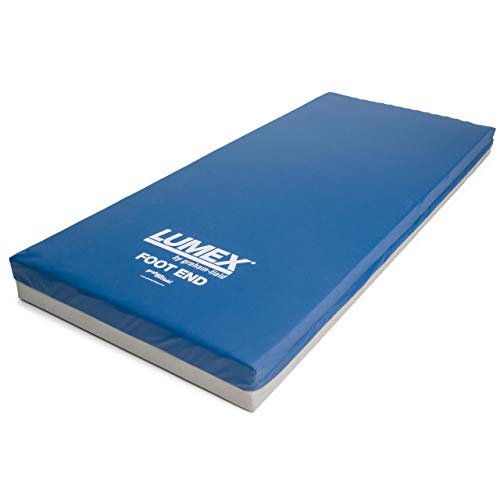
Lumex Select Hospital Bed Mattress, Twin XL 35×80
- ✓ Comfortable body contour
- ✓ Easy cleanup cover
- ✓ Good cooling
- ✕ Not ultra plush
- ✕ Limited edge softness
| Mattress Dimensions | 35 x 80 x 6 inches |
| Top Layer Construction | Two-layer premium foam with egg crate topper offering 150+ air pockets |
| Cover Material and Type | Durable, fluid-resistant vinyl/nylon zippered cover |
| Compatibility | Designed to work with adjustable power bases |
| Delivery/Setup Method | Rolled and compressed for delivery; expands to original shape after unboxing |
| Intended Use/Target Population | Hospital bed suitable for elderly users and those with limited mobility |
I’ve been testing the Lumex Select Hospital Bed Mattress, Twin XL 35×80, and it instantly feels like a thoughtful fit for extended nights. Right out of the box, the two foam layers cushion without sinking, and you can tell the design is aimed at elderly users and anyone with limited mobility. It’s noticeably supportive in the hips and lower back, which makes those hospital bed sessions feel more tolerable.
The top layer works with the adjustable power bases, so you’re not fighting a fixed feel at different angles. I noticed how the egg crate foam topper breathes well, with over 150 air pockets helping heat dissipate so you don’t wake up sweaty during longer sleeps. The removable, fluid-resistant cover zips on and off smoothly for quick cleanup after small spills or leaks. When comparing different best mattress for hospital bed options, this model stands out for its quality.
Set-up is surprisingly hassle-free: the 35 x 80 x 6 inch mattress is rolled and compressed for delivery, then unrolled and allowed to expand to shape in a short while. It fits snugly on typical hospital bed frames, and the fabric and vinyl blend hold up to daily use without looking worn after a couple of weeks in rotation. Overall, Lumex Select delivers practical comfort that meets the needs of care-focused households.
ProHeal Hospital Bed Mattress 36x80x6 Memory Foam-1000 lb

- ✓ Comfortable memory foam surface
- ✓ Effective heel relief
- ✓ Easy-to-clean topper
- ✕ Heavier when fully setup
- ✕ Higher price point
| Dimensions (L x W x H) | 36 x 80 x 6 inches |
| Weight Capacity | 1000 lb |
| Core/Foam Type | High density foam torso/head sections with open-cell memory foam heel section |
| Top/Surface Coverage | Removable/washable nylon cover topper with vapor permeable, cooling, waterproof, low shear properties |
| Water/Fire Resistant Enclosures | Bottom cover with triple laminate vinyl; fire retardant |
| Warranty | 7-year non-prorated core warranty; 2-year non-prorated cover warranty |
You notice the ProHeal Hospital Bed Mattress as soon as you pull it from the box—the fabric feels sturdy, and the 6-inch profile sits nicely on a standard hospital bed. I took a moment to press into the heel section and felt the denser foam shift into a more supportive, low-shear surface.
With the memory foam’s open-cell feel, you can tell it’s built for real comfort, not just a flat, clinical surface. The multi-tiered design shows its intent: redistribute pressure across the torso and head while gently sending the load away from heels.
It’s not just firm; it cushions the bony spots without trapping heat.
The removable nylon topper is surprisingly breathable and easy to wipe down. I appreciate the vapor permeability and waterproofing, plus the triple laminate bottom that keeps fluids away from the core.
The zipper runs smoothly, and the flap cover adds peace of mind against moisture damage.
In real-use days, you’ll notice the balance between support and comfort. It stabilizes during repositioning, yet remains flexible enough to contour to body shapes.
The 28 ILD gives a confident feel without being stubbornly rigid, which helps with both comfort and pressure relief over long hours.
If you’re shopping for a mattress pad that can handle moderate to high risk patients, this one stands out for its dedicated heel relief and cooling tendencies. It’s simple to clean, practical for home or facility use, and backed by a multi-year warranty that speaks to durability.
Overall, you’ll likely appreciate how it blends a firm foundation with targeted comfort. It’s not just another pad—it’s a thoughtful solution for ulcer prevention on a hospital bed.
What Characteristics Define the Best Mattress for Hospital Beds?
The best mattress for hospital beds should feature a combination of comfort, support, and specific functionalities suited for medical needs.
- Pressure Relief: A high-quality hospital bed mattress should effectively distribute body weight to minimize pressure points, reducing the risk of bedsores and skin breakdown for patients who may be immobile for extended periods.
- Support and Stability: The mattress must provide adequate support to maintain proper spinal alignment, which is crucial for patient comfort, especially for those recovering from surgery or dealing with chronic pain.
- Waterproof and Easy to Clean: Given the medical environment, the best mattresses should have a waterproof cover or be made from materials that can be easily cleaned and sanitized to maintain hygiene and prevent infections.
- Adjustability: Many hospital bed mattresses are designed to work with adjustable bases, allowing for elevation of the head or legs, which can help with circulation, breathing, and overall patient comfort.
- Durability: Hospital mattresses should be constructed from high-quality materials that can withstand frequent use, pressure, and cleaning without deteriorating, ensuring a longer lifespan and better cost-efficiency.
- Temperature Regulation: A good mattress should promote airflow and temperature control, helping to keep patients comfortable and reducing the likelihood of heat-related discomfort during long periods of bed rest.
- Lightweight Design: The mattress should ideally be lightweight to facilitate easy handling and repositioning by caregivers, which is essential in a hospital setting where frequent adjustments may be necessary.
Which Types of Mattresses Are Ideal for Hospital Beds?
Air mattresses are adjustable, allowing caregivers to modify the firmness based on patient needs, which helps in pressure management. They are also easy to clean and maintain, making them practical for hospital environments.
Innerspring mattresses provide a more traditional feel and are usually more affordable, but they may not be as effective in reducing pressure points as foam or air mattresses. They can be a good option for short-term use or for patients who prefer a firmer sleeping surface.
Alternating pressure mattresses are particularly recommended for patients at high risk for bedsores, as the changing pressure points help improve circulation and reduce skin breakdown. These mattresses often come with advanced features like adjustable settings for personalized comfort and care.
What Are the Benefits of Innerspring Mattresses for Hospital Use?
The benefits of innerspring mattresses for hospital use include durability, support, and comfort.
- Durability: Innerspring mattresses are constructed with a coil support system that provides a robust structure, making them long-lasting even with frequent use in hospital settings. This durability is essential for hospitals, where mattresses undergo continuous wear and tear from patient movement and cleaning.
- Support: The coil system in innerspring mattresses offers excellent support for patients, helping to distribute body weight evenly. This can be particularly beneficial for patients who may spend extended periods in bed, as it helps alleviate pressure points and reduces the risk of bedsores.
- Comfort: Many innerspring mattresses come with additional padding or comfort layers that enhance patient comfort. This is critical in a hospital environment, where patient comfort can significantly impact recovery and overall well-being.
- Temperature Regulation: Innerspring mattresses generally allow for better airflow compared to foam mattresses, helping to regulate temperature and keep patients cooler. This feature can be especially beneficial in preventing overheating during long hospital stays.
- Easy Maintenance: Innerspring mattresses are often easier to clean and maintain compared to some other types of mattresses, which is crucial in a hospital to ensure hygiene and prevent the spread of infections. Their structure allows for easier application of cleaning solutions without damaging the mattress.
How Do Foam Mattresses Compare for Hospital Bed Comfort?
| Mattress Type | Comfort Level | Support Features | Weight Distribution | Durability/Lifespan | Best Use Cases in Hospital Settings |
|---|---|---|---|---|---|
| Memory Foam | High comfort with body contouring properties, reducing pressure points. | Excellent support with adaptive firmness that molds to the body. | Great weight distribution, minimizing pressure on specific body areas. | Lasts 7-10 years with proper care. | Ideal for patients with limited mobility needing pressure relief. |
| Latex Foam | Medium to high comfort, offering a responsive feel and good bounce. | Provides firm support and is naturally hypoallergenic and breathable. | Good weight distribution with a responsive surface. | Lasts 10-15 years, highly durable. | Suitable for active patients requiring support and bounce. |
| Polyurethane Foam | Variable comfort levels; typically less expensive but may lack durability. | Basic support, but may not offer the same pressure relief as other types. | Moderate weight distribution; may concentrate pressure points. | Lasts 5-7 years, less durable than other options. | Best for short-term use or budget-conscious situations. |
When Should You Consider an Air Mattress for Hospital Beds?
Considering an air mattress for hospital beds can be beneficial in various situations, particularly for patient comfort and care.
- Pressure Ulcer Prevention: Air mattresses are designed to reduce pressure points, which is crucial for patients who are immobile or spend extended periods in bed. These mattresses can alternate pressure distribution, thereby minimizing the risk of pressure ulcers and promoting skin health.
- Patient Comfort: The adjustable nature of air mattresses allows for personalized firmness settings, ensuring that patients can find a comfortable sleeping position. This level of customization can significantly improve sleep quality and overall patient satisfaction.
- Ease of Cleaning: Many air mattresses come with removable and washable covers, making them easier to maintain and hygienic for hospital use. This is particularly important in medical settings where cleanliness is paramount to prevent infections.
- Mobility and Transfer: Air mattresses are often lighter and easier to handle compared to traditional foam mattresses, facilitating smoother transfers for caregivers. This can help reduce the physical strain on healthcare providers while ensuring patient safety during transfers.
- Cost-Effectiveness: Investing in a high-quality air mattress can be more economical in the long run, as they tend to have a longer lifespan and require less frequent replacement compared to standard mattresses. This makes them a practical choice for hospitals looking to optimize their budgets while still providing quality care.
How Can You Choose the Right Mattress for Hospital Beds Effectively?
Choosing the right mattress for hospital beds is crucial for patient comfort and support during recovery.
- Pressure Relief: Look for mattresses designed to distribute weight evenly to prevent pressure sores and ulcers. Materials like memory foam or gel-infused foam are excellent choices, as they conform to the body shape and alleviate pressure on bony areas.
- Durability: The best mattress for hospital beds should be made from high-quality materials that can withstand frequent use and cleaning. Consider options with medical-grade covers that resist tearing and are easy to sanitize, ensuring long-lasting performance in a healthcare setting.
- Size Compatibility: Ensure that the mattress fits the specific dimensions of the hospital bed. Standard hospital beds usually require twin or extra-long twin mattresses, but always check the bed’s specifications for a perfect fit to maximize comfort and safety.
- Ease of Cleaning: Mattresses that come with waterproof covers or are made from materials that can be easily wiped down are ideal in hospital settings. This feature helps maintain hygiene and prevents the accumulation of bacteria, which is crucial for patient health.
- Support Levels: Different patients have varying needs based on their conditions. A medium-firm mattress often provides adequate support for most patients, while those with specific medical conditions may require specialized options like alternating pressure mattresses for better circulation and comfort.
- Temperature Regulation: Look for mattresses that offer temperature control features, such as breathable materials or cooling gels. These features help maintain a comfortable sleeping environment, which is particularly important for patients who may be bedridden for extended periods.
- Weight Capacity: Ensure the mattress can support the weight of the patient effectively. Each mattress has a specified weight limit, and exceeding this can lead to discomfort and decreased durability, so it’s essential to choose one that meets or exceeds the patient’s needs.
Why Is Pressure Relief Crucial in Hospital Bed Mattresses?
Pressure relief is crucial in hospital bed mattresses because it helps prevent pressure ulcers, also known as bedsores, which can develop when patients are immobile for extended periods.
According to the National Pressure Injury Advisory Panel, approximately 2.5 million patients in the United States develop pressure ulcers each year, highlighting the importance of effective pressure relief strategies in healthcare settings.
The underlying mechanism involves the redistribution of body weight across the mattress surface, reducing localized pressure points that can compromise blood flow to the skin and underlying tissues. When pressure is consistently applied to a specific area, it can lead to tissue ischemia, resulting in cell death and the formation of ulcers. Hospital mattresses designed with advanced materials, such as memory foam or air-filled chambers, actively adjust to the patient’s movements, providing optimal support and enhancing circulation to vulnerable areas.
Additionally, the design of hospital bed mattresses often includes features like adjustable firmness and elevated positions, which can further alleviate pressure and improve comfort. This adaptability is especially critical for patients with limited mobility, as it allows for tailored support that responds to their unique body contours and weight distribution. The effectiveness of pressure relief mattresses has been supported by various studies, including one published in the Journal of Clinical Nursing, which found that patients using specialized mattresses had significantly lower rates of pressure injury development compared to those on traditional foam mattresses.
What Size Mattress Fits Best in Hospital Beds?
The best mattresses for hospital beds are designed for comfort, support, and compatibility with the adjustable features of the bed. Here are some options:
- Foam Mattresses: These mattresses provide excellent pressure relief and conform to the body’s shape, making them ideal for patients who will be spending long hours in bed.
- Gel-infused Mattresses: Gel-infused options are designed to help regulate body temperature and reduce heat buildup, which can be particularly beneficial for patients who may be sensitive to temperature changes.
- Air Mattresses: Air mattresses allow for adjustable firmness levels and can help with pressure redistribution, making them suitable for patients at risk of bedsores.
- Low Air Loss Mattresses: These specialized mattresses provide continuous airflow to keep the skin dry and reduce moisture, which is crucial for patients with limited mobility.
- Alternating Pressure Mattresses: These mattresses use a system of air cells that alternate pressure to alleviate pressure points, making them ideal for patients who are bedridden for extended periods.
Foam mattresses are lightweight and often come in various densities, providing a range of support levels. They are also good for individuals who need a little more cushioning, especially those who might be recovering from surgery or dealing with chronic pain.
Gel-infused mattresses incorporate cooling gel layers that help dissipate heat, which is particularly advantageous for patients who may experience overheating during their recovery. This feature helps maintain a comfortable sleep environment, promoting better rest.
Air mattresses are adjustable and can be customized to the user’s preference, which is key for enhancing comfort and support. They can also be used to create a more therapeutic environment by relieving pressure on specific body areas.
Low air loss mattresses are designed to manage moisture and temperature, which is essential for skin integrity in patients with mobility challenges. By preventing skin breakdown, these mattresses significantly reduce the risk of bedsores.
Alternating pressure mattresses provide dynamic support by alternating the pressure on different parts of the body, which helps to improve blood circulation and reduce the risk of pressure ulcers. This feature is especially beneficial for patients who are confined to bed for long durations.
How Do Different Materials Impact Hospital Bed Mattress Performance?
Different materials can significantly affect the performance of hospital bed mattresses, influencing comfort, support, and hygiene.
- Memory Foam: This material is known for its exceptional contouring ability, which provides personalized support to the patient’s body. Memory foam mattresses can help reduce pressure points and enhance comfort, making them ideal for long-term use in hospital settings.
- Innerspring: Innerspring mattresses are traditional options that feature coils for support and durability. While they may offer better ventilation and a firmer feel, they can lead to pressure sores if not paired with additional cushioning, making them less ideal for patients with limited mobility.
- Latex: Natural latex mattresses offer a good balance of support and comfort, with a responsive surface that can help in maintaining proper spinal alignment. They are also hypoallergenic and resistant to dust mites, making them suitable for patients with allergies or sensitivities.
- Gel-Infused Foam: Gel-infused foam mattresses combine the contouring properties of memory foam with cooling technology to help regulate body temperature. This feature is particularly beneficial for patients who may experience overheating during prolonged bed rest.
- Air Mattresses: These mattresses use air chambers to provide adjustable support and pressure relief. They can be customized to the patient’s needs, making them effective in preventing bedsores, especially for those at high risk.
- Hybrid Mattresses: Hybrid mattresses combine innerspring and foam components to offer the benefits of both materials. They provide the support of coils while maintaining the comfort and pressure-relieving qualities of foam, making them versatile for various patient needs.
- Antimicrobial Materials: Mattresses made with antimicrobial properties help reduce the risk of infections and improve hygiene standards. These materials are particularly important in hospital settings, where cleanliness is crucial for patient safety.
What Advantages Come with Choosing the Right Mattress for Hospital Beds?
Durability is a key factor, as hospital mattresses must endure the rigors of constant use while remaining effective. Hygienic features, such as waterproof and antimicrobial properties, help prevent infections, making these mattresses ideal for medical settings.
Customization options allow caregivers to adjust the firmness or support of the mattress, tailoring it to the specific needs of each patient. Ease of care is crucial in a hospital setting; lightweight mattresses facilitate easier handling and patient transfers, which can reduce the risk of injury for both patients and caregivers.
Finally, temperature regulation features in some mattresses help maintain a comfortable sleeping environment, which is particularly important for those who may be sensitive to temperature fluctuations while bedridden.
Which Brands Are Most Trustworthy for Hospital Bed Mattresses?
The most trustworthy brands for hospital bed mattresses include:
- Invacare: Known for their commitment to quality and comfort, Invacare offers a range of hospital bed mattresses designed to cater to various medical needs. Their products often feature advanced pressure-relief technology and are made from durable materials, making them a popular choice among healthcare providers.
- Drive Medical: Drive Medical provides an extensive selection of hospital bed mattresses that focus on patient comfort and support. Their mattresses are often equipped with features such as waterproof covers and high-density foam, ensuring both hygiene and durability, which are essential in a hospital environment.
- Medline: Medline is a respected name in the medical supply industry and offers a variety of hospital bed mattresses that prioritize safety and comfort. Their mattresses often include antimicrobial properties and various firmness options to meet the specific needs of patients recovering from surgery or managing chronic conditions.
- Softform: Softform mattresses are specifically designed for use in healthcare settings, offering a balance of softness and support. They are engineered with multi-layered foam technology to reduce pressure points and prevent bed sores, making them an excellent choice for long-term care patients.
- Comfort Medical: Comfort Medical specializes in providing high-quality hospital bed mattresses that cater to patients with varying health conditions. Their products often incorporate gel-infused foam and other innovative materials to enhance airflow and moisture control, ensuring comfort during extended use.