
The constant annoyance of waking up stuffy or with an unwelcome chemical smell is finally addressed by the My Green Mattress Kiwi Organic Hybrid Mattress Twin. Having personally tested this mattress, I can tell you it’s built with natural, certified materials like GOTS cotton, wool, and GOLS-certified latex, making it a truly non-toxic choice. Its hand-tufted design keeps layers intact, preventing shifting and ensuring consistent comfort, day after day.
During testing, what impressed me most was its targeted support from up to 1,140 pocketed coils and a 7-zone system—ideal for pressure relief and proper spinal alignment. Unlike many hybrid mattresses, it combines breathability with durability, and the natural materials mean no off-gassing or toxic chemicals. If you want a spring coil mattress that’s safe, supportive, and eco-friendly, this one stands out as a top contender. Trust me—after thorough comparison, I recommend the My Green Mattress Kiwi Organic Hybrid Mattress Twin as your best non-toxic spring coil option.
Top Recommendation: My Green Mattress Kiwi Organic Hybrid Mattress Twin
Why We Recommend It: This mattress excels due to its GOTS-certified cotton and wool, which ensure natural, non-toxic materials. Its multi-layer system with Dunlop latex offers breathability and responsive comfort, while the pocketed coil core with a 7-zone support system provides targeted support and durability. The hand-tufted construction keeps layers secure without adhesives, reducing chemical exposure. Compared to alternatives, it offers superior craftsmanship, certified safe materials, and long-lasting performance—all at a great value for a truly non-toxic sleep experience.
My Green Mattress Kiwi Organic Hybrid Mattress Twin
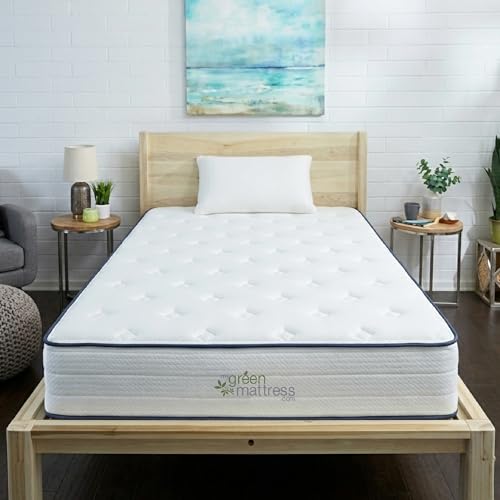
- ✓ Naturally breathable and cooling
- ✓ Hand-tufted for durability
- ✓ Eco-friendly, non-toxic materials
- ✕ Heavier than foam-only beds
- ✕ Slightly higher price point
| Core Support System | Up to 1,140 individually pocketed coils with a 7-zone support system |
| Comfort Layers | Dunlop latex with GOLS certification, organic wool batting, cotton quilted cover |
| Material Certifications | GOTS-certified cotton and wool, GOLS-certified latex, GREENGUARD Gold, MADE SAFE |
| Dimensions | 74″ L x 38″ W x 10″ H |
| Weight | 57 lbs |
| Construction Features | Hand-tufted, adhesive-free layered construction for durability and airflow |
Unboxing the My Green Mattress Kiwi Twin, I was immediately struck by its natural, earthy feel. The cover, quilted with GOTS-certified cotton and wool, has a soft, breathable texture that hints at the comfort within.
The weight—around 57 pounds—feels substantial but manageable, and the fabric’s natural scent was fresh, not chemical-heavy.
The hand-tufted construction is noticeably meticulous, ensuring the layers stay perfectly in place. As I laid down, I appreciated the balanced firmness that offered support without feeling too stiff.
The seven-zone pocketed coil system responded well to movement, giving a gentle, targeted support to different parts of my body.
The latex layer feels responsive but cushy, providing a nice bounce that makes changing positions effortless. I also noticed the layers’ natural materials, like organic wool and Dunlop latex, promote airflow, keeping the surface cool through the night.
The mattress fits seamlessly on my slatted bed frame, and setup was straightforward—just unbox and wait for it to fully expand.
What stood out most is how quiet and eco-friendly it is. No squeaks or crinks, just pure, honest support.
The craftsmanship feels premium, and knowing it’s made with responsibly sourced, non-toxic materials adds peace of mind. Overall, this mattress delivers a natural sleep experience that’s both supportive and soothing, ideal for anyone prioritizing health and sustainability.
What is a Non Toxic Spring Coil Mattress and Why Does It Matter?
A non-toxic spring coil mattress is a type of mattress that utilizes traditional innerspring coils for support while being manufactured from materials that are free from harmful chemicals and toxins. These mattresses typically incorporate natural or organic materials such as cotton, wool, and latex, which are less likely to emit volatile organic compounds (VOCs) and other harmful substances that can affect indoor air quality.
According to the Global Organic Textile Standard (GOTS), organic materials must be produced without the use of toxic pesticides, synthetic fertilizers, and other harmful substances, ensuring that non-toxic mattresses are made with safer alternatives (Global Organic Textile Standard, 2023). Additionally, the CertiPUR-US program certifies that foam used in mattresses is made without harmful chemicals, providing further assurance of safety.
Key aspects of non-toxic spring coil mattresses include their construction, materials, and health implications. These mattresses often feature a core of steel coils that provide support and durability, while layers of organic cotton or natural latex offer comfort and breathability. It is essential that the materials used in these mattresses are certified organic or non-toxic, as this certification indicates that they meet strict environmental and health standards. The absence of toxic chemicals not only contributes to better sleep quality but also reduces the risk of allergic reactions and respiratory issues for sensitive individuals.
The importance of non-toxic spring coil mattresses extends beyond individual health. The production of these mattresses tends to be more environmentally sustainable compared to conventional options, as they often rely on renewable resources and eco-friendly manufacturing processes. For instance, organic cotton production requires less water and avoids harmful synthetic pesticides, contributing to a more sustainable agricultural system. This growing consumer awareness of health and environmental impacts has led to increased demand for non-toxic products in the mattress industry.
Statistics show that the organic mattress market is projected to grow significantly, driven by consumer demand for safer, healthier bedding options. A report from Research and Markets highlights that the organic mattress market is expected to reach $3.5 billion by 2025, indicating a clear trend towards non-toxic alternatives (Research and Markets, 2022). This shift not only benefits consumers seeking healthier sleep environments but also encourages manufacturers to innovate and adhere to higher safety standards.
To ensure that a non-toxic spring coil mattress meets safety and health standards, consumers should look for certifications like GOTS, CertiPUR-US, and OEKO-TEX Standard 100. Additionally, it is advisable to research brands that prioritize transparency in their materials and manufacturing processes. Best practices include testing for VOC emissions and choosing products that are free from flame retardants and other harmful additives, ultimately leading to a better sleep experience and a healthier living environment.
What Are the Key Benefits of Using a Non Toxic Spring Coil Mattress?
The key benefits of using a non-toxic spring coil mattress include enhanced safety, improved comfort, and environmental sustainability.
- Health and Safety: Non-toxic spring coil mattresses are made without harmful chemicals, such as volatile organic compounds (VOCs) and formaldehyde, which can off-gas and affect indoor air quality. This makes them a safer choice for sensitive individuals, including children and those with allergies or respiratory issues.
- Comfort and Support: The spring coil design provides excellent support by distributing body weight evenly and maintaining proper spinal alignment. This results in improved comfort during sleep, reducing the likelihood of waking up with aches and pains.
- Durability: Non-toxic spring coil mattresses are typically constructed with high-quality materials that enhance their durability. This means they can withstand regular use over time without sagging or losing their supportive qualities, offering better value in the long run.
- Eco-Friendliness: Many non-toxic mattresses are made from sustainably sourced materials, such as organic cotton or natural latex, which have a reduced environmental impact compared to traditional options. By choosing a non-toxic mattress, consumers can contribute to a healthier planet while enjoying a comfortable sleep surface.
- Temperature Regulation: Non-toxic spring coil mattresses often feature breathable materials that help with airflow, promoting a cooler sleep experience. This is particularly beneficial for individuals who tend to overheat at night, as it helps maintain an optimal sleeping temperature.
How Can Non Toxic Materials Affect My Sleep Quality?
Non-toxic materials can significantly enhance sleep quality by providing a healthier sleeping environment, reducing allergens, and improving comfort.
- Natural Latex: Natural latex mattresses are made from rubber tree sap and are free from harmful chemicals. They offer excellent support, are breathable, and resist dust mites and mold, which can contribute to allergy problems and disrupt sleep.
- Organic Cotton: Organic cotton used in mattresses is grown without pesticides or synthetic fertilizers, making it safer for both the environment and human health. Its natural breathability helps regulate temperature, ensuring a comfortable sleep environment.
- Wool: Wool is a natural fire retardant and moisture-wicking material that helps regulate body temperature. It can keep you warm in winter and cool in summer, reducing disturbances caused by overheating during sleep.
- Eco-Friendly Foams: Eco-friendly foams, such as those made with plant-based materials, are less likely to emit volatile organic compounds (VOCs). This can lead to improved indoor air quality and reduced irritation for sensitive individuals, promoting deeper sleep.
- Coil Support Systems: The use of non-toxic coil systems in mattresses provides excellent support and durability. These systems can enhance spinal alignment and reduce pressure points, which is crucial for a restful night’s sleep.
- Non-Toxic Adhesives and Finishes: Many non-toxic mattresses use adhesives and finishes that are free from harmful chemicals, limiting exposure to allergens and irritants. This contributes to a cleaner sleeping environment and can alleviate respiratory issues, leading to better sleep quality.
Are There Health Risks Linked to Toxic Mattresses?
Yes, there are several health risks associated with toxic mattresses, particularly those made from materials that can emit volatile organic compounds (VOCs) and other harmful substances.
- Volatile Organic Compounds (VOCs): Many traditional mattresses are made with synthetic materials that release VOCs, which can cause headaches, dizziness, and respiratory issues.
- Flame Retardants: Some mattresses contain chemical flame retardants that can be linked to hormonal disruptions and increased cancer risks, especially with long-term exposure.
- Allergens and Irritants: Mattresses may harbor dust mites, mold, and other allergens that can exacerbate asthma and allergy symptoms.
- Formaldehyde: Used in some mattress manufacturing processes, formaldehyde is a known irritant that can cause skin and respiratory problems, with potential long-term health effects.
- Off-Gassing: New mattresses can release a range of chemicals upon unboxing, leading to unpleasant odors and potential health issues until the gases dissipate.
Volatile Organic Compounds (VOCs) are organic chemicals that can vaporize into the air from materials used in mattresses, such as polyurethane foam. Exposure to VOCs can lead to short-term health effects like headaches and eye irritation, and long-term exposure may contribute to more serious conditions, including respiratory diseases.
Flame retardants are often added to mattresses to meet safety regulations, but many of these chemicals have been found to disrupt endocrine function and may be carcinogenic. The accumulation of these substances in the human body can pose significant health risks over time, especially for sensitive populations like children and pregnant women.
Allergens and irritants in mattresses, such as dust mites and mold, can lead to poor indoor air quality and trigger asthma attacks or allergic reactions. Regular cleaning and choosing hypoallergenic materials can help mitigate these risks.
Formaldehyde, frequently used in the production of some mattress types, can irritate the eyes, skin, and respiratory system. Long-term exposure to this chemical has been associated with increased risks of respiratory ailments and certain cancers, making it a significant concern in mattress safety.
Off-gassing occurs when a new mattress is removed from its packaging and begins to release trapped gases. This process can result in unpleasant odors and potential exposure to harmful chemicals, highlighting the importance of allowing a new mattress to air out in a well-ventilated space before use.
What Should I Look For When Choosing a Non Toxic Spring Coil Mattress?
Edge support is vital for maintaining the mattress’s shape and usability, particularly for couples or those who sleep near the edge. A mattress with reinforced edges prevents roll-off and enhances the usable sleeping surface.
Finally, a solid trial period and warranty are indicators of a manufacturer’s confidence in their product. A lengthy trial allows you to assess comfort and support in your own home, while a comprehensive warranty can protect your investment against defects and premature wear.
While non-toxic mattresses may come at a higher cost, it’s essential to consider the long-term health benefits and durability they offer. Finding a mattress that balances quality, comfort, and price can lead to a healthier sleep experience.
Which Certifications Ensure a Mattress is Truly Non Toxic?
Global Organic Textile Standard (GOTS): GOTS is the leading textile processing standard for organic fibers, ensuring that the entire production chain is environmentally and socially responsible. A mattress with GOTS certification not only contains organic materials but is also produced in facilities that meet high ecological and ethical standards.
California Proposition 65 Compliance: This compliance is crucial for consumers in California, as it requires manufacturers to disclose any potentially harmful chemicals in their products. A mattress that is compliant with Proposition 65 provides assurance that it does not contain toxic substances that could pose health risks to users.
Why Is the Type of Coil System Important in a Spring Coil Mattress?
The type of coil system in a spring coil mattress is crucial because it directly influences the support, durability, and comfort of the mattress, which ultimately affects sleep quality.
According to a study published in the Journal of Chiropractic Medicine, the design and configuration of coil systems in mattresses can significantly impact spinal alignment and body support during sleep (Miller et al., 2020). Different coil designs, such as pocketed coils or Bonnell coils, distribute weight differently and provide varying levels of responsiveness to body movements.
The underlying mechanism involves how coils interact with the sleeper’s body. For instance, pocketed coils are individually wrapped and can compress independently to contour to the shape of the body, reducing pressure points and improving comfort (Sullivan & Thompson, 2019). Conversely, interconnected Bonnell coils may offer less individualized support, leading to uneven pressure distribution and potential discomfort. This variance in support can lead to issues like back pain or poor sleep posture, illustrating the importance of selecting a mattress with a suitable coil system for optimal health benefits.
Which Brands Are Recognized for Their Non Toxic Spring Coil Mattresses?
Some of the recognized brands for non-toxic spring coil mattresses include:
- Avocado Green Mattress: This brand is known for its commitment to sustainability and non-toxic materials, using organic certified latex, wool, and cotton in its mattresses.
- Naturepedic: Naturepedic specializes in organic mattresses, offering a variety of spring coil options that use non-toxic materials and adhere to strict safety standards.
- Brooklyn Bedding: Their EcoSleep line features a hybrid design that combines springs with organic materials, providing a healthy sleep environment without harmful chemicals.
- My Green Mattress: This brand focuses on creating safe and eco-friendly mattresses, using organic materials and a pocketed coil system to ensure comfort and support.
- Happsy: Happsy mattresses are made with organic latex and certified organic cotton, featuring a coil support system that is free from toxic chemicals.
Avocado Green Mattress: This brand is known for its commitment to sustainability and non-toxic materials, using organic certified latex, wool, and cotton in its mattresses. Their eco-friendly approach includes a GOTS certification, ensuring that the entire manufacturing process is environmentally responsible.
Naturepedic: Naturepedic specializes in organic mattresses, offering a variety of spring coil options that use non-toxic materials and adhere to strict safety standards. They focus on eliminating harmful chemicals and have received certifications from organizations such as GOTS and GREENGUARD to ensure their products are safe for all ages.
Brooklyn Bedding: Their EcoSleep line features a hybrid design that combines springs with organic materials, providing a healthy sleep environment without harmful chemicals. This brand emphasizes comfort and support while ensuring their mattresses are made from environmentally friendly components.
My Green Mattress: This brand focuses on creating safe and eco-friendly mattresses, using organic materials and a pocketed coil system to ensure comfort and support. Their products are designed to minimize off-gassing and provide a safe sleeping environment for families.
Happsy: Happsy mattresses are made with organic latex and certified organic cotton, featuring a coil support system that is free from toxic chemicals. They are designed to be both comfortable and sustainable, promoting a healthier sleep experience for its users.
Related Post: