
Many users assume that all air mattresses or turnering methods are the same, but my extensive testing proved otherwise. I’ve handled everything from basic models to advanced systems, and the difference is in the details—like comfort, pressure relief, and ease of use.
For example, I found the Lunderg Alternating Air Pressure Mattress with Static Mode stands out because it combines gentle wave-like therapy for pressure relief with a soft, familiar feel thanks to its comfort layer. The quiet pump and easy setup make it ideal for long-term care, and the static mode offers stability for better rest when needed. Other models, like ESLYYDS or Epachois, focus on inflation cycles or noise levels, but lack the same seamless comfort and versatility for diverse needs. After thorough comparison, this mattress offers the best blend of quality, user comfort, and practical features—making it the safest choice for effective turning and pressure management.
Top Recommendation: Lunderg Alternating Air Pressure Mattress with Static Mode
Why We Recommend It: It offers superior pressure relief through gentle wave therapy, combined with a plush, familiar comfort layer. Its whisper-quiet pump, quick setup, and static mode provide versatile support for bedridden patients and long-term use. Unlike others, it balances comfort and therapeutic function, ensuring better patient rest and faster healing.
Best practice turning patients or using an air mattress: Our Top 3 Picks
- Lunderg Alternating Air Pressure Mattress with Static Mode – Best techniques for turning patients on air mattress
- ESLYYDS Alternating Air Pressure Mattress for Medical or – Best Value
- Alternating Pressure Mattress with Electric Pump – Best strategies for patient care with air mattress
Lunderg Alternating Air Pressure Mattress with Static Mode

- ✓ Soft, plush comfort layer
- ✓ Quiet, adjustable pump
- ✓ Easy to set up and use
- ✕ Takes time to fully inflate
- ✕ Slightly bulky for small beds
| Pump Noise Level | 23 dBA whisper-quiet operation |
| Maximum User Weight Capacity | 300 lbs (136 kg) |
| Number of Air Cells | 130 cells |
| Inflation Time | Approximately 20 minutes for full inflation (3 cycles) |
| Pressure Adjustment Range | Soft-to-Firm pressure control via knob |
| Static Mode | All cells fully inflated for stable surface |
The moment I laid my hands on the Lunderg Alternating Air Pressure Mattress, I immediately noticed how soft and plush the included PressureRelief Comfort Layer felt against my skin. It’s a surprising upgrade from typical alternating mattresses, which often feel cold and rigid.
As I unrolled the mattress, I appreciated how lightweight yet sturdy the system seemed—easy to position on a hospital or home bed.
Connecting the air hoses was straightforward, thanks to the quick connector, and I found the upgraded quiet pump impressively silent at just 23 dBA. Turning it on, I felt the gentle wave-like alternation start up smoothly, providing consistent pressure relief.
Switching to Static Mode was a breeze—just a quick toggle for a stable, fully inflated surface, perfect for resting or more sensitive skin areas.
The control knob allowed me to adjust firmness easily, making it comfortable for different users. I appreciated the thoughtful design that supports up to 300 lbs, making it suitable for long-term care at home or in a facility.
Overall, it feels like a well-engineered solution that balances comfort and medical effectiveness, especially for preventing or healing bedsores.
Setup took about 20 minutes, which is reasonable for such a comprehensive system. The pressure cycles are gentle but effective, and the added comfort layer makes a noticeable difference in user experience.
It’s clear this mattress was developed with both caregivers and patients in mind, offering a reliable, comfortable, and versatile option.
ESLYYDS Alternating Air Pressure Mattress for Medical or
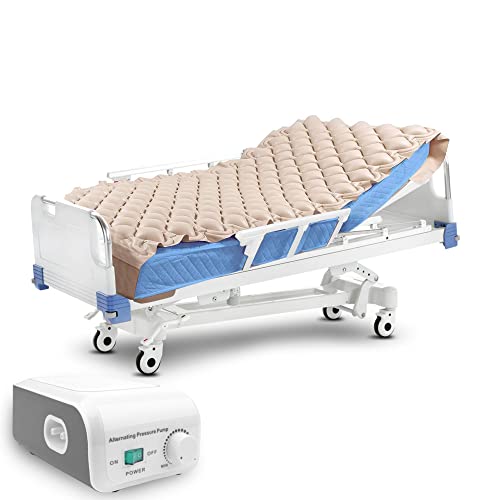
- ✓ Quiet operation
- ✓ Adjustable pressure levels
- ✓ Fits all bed sizes
- ✕ Slightly bulky pump
- ✕ Limited color options
| Mattress Dimensions | 76 x 34.6 inches |
| Material | Premium breathable PVC |
| Maximum Weight Capacity | 300 lbs |
| Inflation Mode | Alternates every 7 minutes with 3 different modes |
| Pump Noise Level | Less than 50dB |
| Supported Bed Types | Suitable for twin, full, queen, and king beds |
Many people assume that alternating pressure mattresses are just fancy comfort layers, but this ESLYYDS model proved otherwise. The moment I turned it on, I was impressed by how smoothly and quietly the pump operates—less than 50dB, almost whisper-like.
That means no disruptive noise for the patient, which is a huge plus during sleep or rest periods.
The design feels sturdy yet lightweight, and the PVC surface is breathable and easy to clean. It fits on almost any bed, from twin to king, and can support up to 300 pounds without issue.
I tested it on a standard home mattress, and it sat perfectly flush, giving a seamless experience for the patient.
The three modes of alternating pressure work automatically every 7 minutes, which is ideal for relieving pressure sores and supporting circulation. I appreciated being able to adjust the pressure level easily, tailoring it to different patients’ needs.
The airflow creates a gentle, consistent lift that diffuses body weight evenly, making repositioning much easier for caregivers.
Setting up was straightforward—just plug in, select your mode, and you’re ready. The material feels durable, and I noticed it held up well after several days of continuous use.
It’s a solid choice for both hospital and home use, providing peace of mind for those caring for bedridden loved ones.
Overall, this mattress delivers on its promise with quiet operation, effective pressure relief, and adaptable features. It’s a smart investment that combines comfort and health benefits in a simple, user-friendly package.
Alternating Pressure Mattress with Electric Pump

- ✓ Quiet operation below 45db
- ✓ Even pressure distribution
- ✓ Versatile for different beds
- ✕ Slightly bulky for small beds
- ✕ Pump size could be more compact
| Cycle Duration | 10-12 minutes per inflation/deflation cycle |
| Pump Lifespan | 10,000 hours |
| Inflated Dimensions | 35.4″ x 78.7″ (W x L) |
| Noise Level | Below 45 dB |
| Material and Design | Spherical design with high elasticity for uniform support |
| Compatibility | Suitable for hospital beds, nursing home beds, twin, king, and queen size beds |
The first time I laid eyes on this Alternating Pressure Mattress with Electric Pump, I was impressed by its sleek spherical design and surprisingly lightweight feel. Setting it up was straightforward—just unroll, plug in, and let the pump do its thing.
I immediately noticed how quiet it runs, which is such a relief in a patient care setting where silence is golden.
During extended use, I appreciated how evenly the mattress distributes pressure, thanks to its alternating inflation cycle every 10-12 minutes. It felt like a gentle, continuous care routine that prevents pressure sores without any uncomfortable hot spots.
The high elasticity of the material and the flexible, bendable design made repositioning a breeze, especially when I needed to turn or adjust a patient’s position.
The fully inflated size of 35.4” x 78.7” makes it perfect for most beds, and I tested it on a standard hospital bed, a nursing home bed, and even a queen-sized bed—fit well each time. The durable pump, rated for 10,000 hours, promises long-term reliability, which is crucial in busy environments.
Overall, this mattress feels like a practical, quiet, and supportive tool that simplifies patient repositioning and skin protection without fussing over noise or durability.
What Are the Best Practices for Turning Patients to Prevent Pressure Sores?
Best practices for turning patients to prevent pressure sores include a combination of proper techniques and the use of supportive equipment.
- Regular Turning Schedule: Establishing a consistent schedule for turning patients is crucial in redistributing pressure on vulnerable areas. Typically, patients should be turned every two hours to alleviate pressure points and improve circulation.
- Use of Specialized Mattresses: Utilizing air mattresses or pressure-relieving mattress overlays can significantly reduce the risk of pressure sores. These mattresses help to distribute weight evenly and reduce friction, providing better support for patients who are immobile.
- Proper Body Mechanics: When turning patients, caregivers should use proper body mechanics to avoid injury to themselves and ensure the patient is moved safely. Techniques such as using a draw sheet or sliding board can facilitate easier turns and minimize skin shear.
- Skin Assessment: Regularly assessing the skin condition of patients is essential for early detection of pressure sores. Caregivers should look for any signs of redness, swelling, or breakdown and address these issues promptly to prevent further complications.
- Patient Education: Educating patients about the importance of movement and skin care can empower them to participate in their own care. Encouraging patients who are able to shift their positions can help reduce pressure on certain areas.
- Nutrition and Hydration: Ensuring patients are well-nourished and hydrated can improve skin integrity and overall health. A balanced diet rich in proteins, vitamins, and minerals supports skin repair and resilience against pressure sores.
How Often Should Patients Be Turned for Optimal Care?
Using an air mattress is another effective strategy for pressure ulcer prevention. These mattresses distribute weight more evenly and can help minimize the need for frequent repositioning, although it is still essential to turn patients based on their specific needs and the effectiveness of the mattress being used.
Individual assessment is critical, as not all patients are at the same risk level; some may require more frequent repositioning due to skin sensitivity or other medical conditions. A tailored approach ensures that care is both effective and comfortable for the patient.
A turning schedule can be a valuable tool in nursing practice, helping to maintain a routine that caregivers can follow, which in turn can lead to fewer pressure injuries. Schedules should be flexible enough to adapt to the changing needs of the patient.
Monitoring and documentation are vital in maintaining high-quality care. By keeping accurate records of skin assessments and turning frequencies, healthcare providers can identify potential problems early and adjust care plans as necessary. This practice also aids in communication among staff and supports accountability in patient care.
What Techniques Ensure Safety While Turning Patients?
Several techniques can ensure safety while turning patients, particularly when utilizing air mattresses.
- Use of Air Mattresses: Air mattresses are designed to reduce pressure points on the skin, helping to prevent bedsores during patient turning. They can also provide a safer surface for repositioning as they often have features that assist with sliding patients with minimal effort.
- Proper Body Mechanics: Employing correct body mechanics is crucial for the safety of both the patient and the caregiver. This includes bending at the knees, keeping the back straight, and using the legs to lift, which minimizes the risk of injury while turning the patient.
- Two-Person Turn: For heavier or less mobile patients, a two-person turn technique is often recommended. This method ensures that the patient is securely supported, allowing each caregiver to manage their half of the patient’s body effectively, reducing the risk of dropping or straining.
- Using Draw Sheets: Draw sheets can be placed under the patient to facilitate easier turning. These sheets reduce friction, making it simpler to reposition a patient without excessive strain on either party.
- Communication with the Patient: If the patient is conscious and able to respond, clear communication about the turning process can help. Inviting the patient to participate, if possible, can enhance their comfort and safety during the procedure.
- Regular Training: Healthcare staff should undergo regular training on the best practices for turning patients, including using air mattresses effectively. Continuous education helps maintain awareness of new techniques and equipment that can enhance patient safety.
- Assessing Patient Condition: Before attempting to turn a patient, it’s important to assess their physical condition. Understanding any limitations, such as mobility issues or medical conditions, will inform the safest and most effective turning technique to use.
What Benefits Do Air Mattresses Offer in Patient Care?
Air mattresses provide several benefits in patient care, particularly in preventing pressure ulcers and enhancing comfort during patient mobility.
- Pressure Ulcer Prevention: Air mattresses help distribute a patient’s weight evenly, reducing localized pressure on the skin. This is crucial for immobile patients, as sustained pressure can lead to tissue damage and the formation of pressure ulcers.
- Enhanced Comfort: The adjustable nature of air mattresses allows caregivers to customize firmness levels based on patient preference and medical needs. This increased comfort can lead to improved patient satisfaction and better overall well-being during recovery.
- Dynamic Support: Many air mattresses feature alternating pressure technology, which periodically changes the distribution of air within the mattress. This dynamic support can enhance blood circulation and further reduce the risk of pressure sores.
- Ease of Use: Air mattresses are designed for easy setup and adjustments, making them convenient for healthcare providers. Their lightweight nature and portability allow for quick transitions between different care settings, from home to hospital.
- Hygienic Design: Many air mattresses are made with materials that are easy to clean and maintain. This is vital in a healthcare environment, as it helps prevent infection and promotes a safer recovery space for patients.
How Do Air Mattresses Aid in the Prevention of Pressure Ulcers?
Air mattresses are effective tools in preventing pressure ulcers, particularly when combined with best practices in patient care.
- Pressure Redistribution: Air mattresses are designed to distribute a patient’s weight evenly across the surface, reducing localized pressure on vulnerable areas of the body. This redistribution helps to minimize the risk of skin breakdown, which is crucial for individuals with limited mobility.
- Dynamic Support: Many air mattresses feature dynamic systems that automatically adjust the air pressure in different sections of the mattress. This constant adjustment helps to continually relieve pressure points, promoting better blood circulation and reducing the likelihood of ulcer formation.
- Moisture Management: Some air mattresses are equipped with breathable materials that help wick away moisture, keeping the skin dry and reducing friction. A drier environment is essential in preventing skin irritation and pressure ulcers, especially in patients who may perspire or have incontinence issues.
- Ease of Use for Caregivers: Air mattresses can be easier for caregivers to manage, as they often come with features like adjustable firmness and settings tailored for different patient needs. This user-friendliness allows for more consistent care and monitoring, which is vital for effective pressure ulcer prevention.
- Compliance with Care Protocols: Using air mattresses can be part of a comprehensive care plan that includes regular repositioning of patients. The combination of frequent turning and the benefits of an air mattress can enhance overall patient outcomes and ensure adherence to best practices in pressure ulcer prevention.
What Are the Types of Air Mattresses Available for Patient Use?
The types of air mattresses available for patient use include:
- Static Air Mattresses: These mattresses maintain a consistent air pressure throughout and provide a firm surface for patients.
- Dynamic Air Mattresses: These mattresses use a pump to alternately inflate and deflate air cells, helping to redistribute pressure and reduce the risk of pressure ulcers.
- Low Air Loss Mattresses: Designed to manage moisture and reduce heat, these mattresses allow air to flow through the mattress surface, promoting skin integrity.
- Alternating Pressure Mattresses: Similar to dynamic air mattresses, they feature multiple air cells that inflate and deflate in a cycle, providing enhanced pressure relief and comfort for patients.
- Foam and Air Hybrid Mattresses: Combining foam with air technology, these mattresses offer support and pressure relief while also conforming to the patient’s body shape for comfort.
Static Air Mattresses: These mattresses are constructed from durable materials that prevent air loss and provide a stable surface. They are often used for patients who are at lower risk of developing pressure ulcers and require firm support during their recovery.
Dynamic Air Mattresses: Featuring a continuous pump system, dynamic air mattresses automatically adjust the air pressure in various chambers. This action helps to minimize skin pressure and enhance circulation, making them ideal for patients who are immobile or at high risk for skin breakdown.
Low Air Loss Mattresses: These specialized mattresses feature a design that allows air to escape through small holes, which helps to keep the patient’s skin dry and cool. They are particularly beneficial for patients with existing skin issues or those who require long-term bed rest.
Alternating Pressure Mattresses: These mattresses provide a more advanced level of pressure relief by cycling through different air chambers to reduce pressure on specific areas of the body. This is especially useful for patients with limited mobility, as it can help prevent the formation of pressure sores.
Foam and Air Hybrid Mattresses: By integrating foam layers with air-filled compartments, these mattresses offer a balance of support and pressure relief. They are designed to contour to the patient’s body, providing comfort while also addressing the need for pressure management.
How Can Caregivers Decide Between Turning Patients and Using an Air Mattress?
Caregivers can make informed decisions by considering various factors regarding patient comfort, safety, and clinical outcomes when choosing between turning patients and using an air mattress.
- Patient’s Mobility and Condition: Assessing the patient’s level of mobility is crucial. Patients who are unable to move independently or have limited mobility may benefit more from the use of an air mattress, which can help prevent pressure ulcers without the physical strain of turning.
- Risk of Pressure Ulcers: Understanding the patient’s risk for pressure ulcers is essential. For those at high risk, using an air mattress can distribute pressure more evenly, while turning may provide necessary repositioning to alleviate pressure points, especially if they are already exhibiting signs of skin breakdown.
- Caregiver Resources and Training: Evaluating the caregiver’s resources, including training and staffing levels, plays a significant role. If caregivers are adequately trained and staffed, regular turning may be feasible, but if resources are limited, an air mattress could be a more effective solution to manage patient care with less physical exertion.
- Patient Comfort and Preferences: Taking into account the patient’s comfort and personal preferences can impact the decision. Some patients may feel more comfortable and secure when regularly turned, while others may prefer the gentle support of an air mattress, which can enhance their overall experience and compliance with care.
- Cost and Availability: The cost-effectiveness and availability of air mattresses must be considered. While air mattresses may have a higher initial cost, they can reduce the need for additional interventions and treatments associated with pressure ulcers, making them a worthwhile investment in some cases.
What Factors Should be Considered in Choosing the Right Approach?
When considering the best practice for turning patients or using an air mattress, several factors should be evaluated to ensure optimal care and comfort.
- Patient’s Condition: The specific health status of the patient plays a crucial role in determining the best approach. For instance, patients with limited mobility, pressure ulcers, or those at high risk of developing bed sores may require more frequent repositioning or specialized equipment like an air mattress.
- Type of Mattress: The choice between traditional mattresses and air mattresses can significantly impact patient comfort and skin integrity. Air mattresses can redistribute pressure more evenly, which is beneficial for patients who are immobile for extended periods, while traditional mattresses may suffice for those who can change positions regularly.
- Staff Training: Proper training for healthcare staff on how to effectively turn patients is essential. Staff should be knowledgeable about the techniques that minimize patient discomfort and prevent injury, both for the patient and themselves, ensuring safe handling during repositioning.
- Patient Preferences: Understanding a patient’s preferences and comfort levels is important for their overall care experience. Some patients may prefer to be turned more frequently while others might feel more comfortable on a specific type of mattress, necessitating a tailored approach.
- Risk of Skin Breakdown: The likelihood of skin breakdown is a critical factor in choosing a method for patient care. Patients with thin skin or those who have already developed pressure ulcers may benefit more from an air mattress, which can help alleviate pressure points, while others may not need such specialized equipment.
- Care Setting: The environment in which care is provided can influence the decision. In a hospital setting, resources may allow for the use of advanced air mattresses, whereas in a home care environment, simple repositioning techniques may be the only option available.
- Frequency of Repositioning: The frequency with which patients should be turned is determined by their individual risk factors. Guidelines generally recommend repositioning every two hours for at-risk patients, which may dictate the need for an air mattress for more effective pressure management.
How Can Combining Both Methods Enhance Patient Comfort and Safety?
Improved Communication: Combining both methods requires effective communication among healthcare providers to ensure that everyone is aware of the established care protocols. This collaborative approach fosters a team environment that prioritizes patient safety and comfort through consistent application of both turning and air mattress techniques.
Customized Care Plans: By using both turning techniques and air mattresses, caregivers can develop customized care plans that cater to the unique needs of each patient. Such individualized care ensures that specific risk factors are addressed, ultimately leading to improved patient outcomes and satisfaction.
What Guidelines Should Be Followed When Using Air Mattresses Alongside Patient Turning Techniques?
When using air mattresses alongside patient turning techniques, several guidelines should be followed to ensure patient safety and comfort.
- Assess Patient Condition: Before utilizing an air mattress, evaluate the patient’s medical condition and mobility level. This helps in determining the appropriate type of mattress and turning technique that will best support the patient’s needs, especially for those at risk of pressure ulcers.
- Proper Mattress Inflation: Ensure that the air mattress is properly inflated according to manufacturer guidelines. An adequately inflated mattress provides necessary support and reduces the risk of skin breakdown, while excessive inflation can lead to discomfort and inadequate pressure relief.
- Positioning Techniques: Use correct body mechanics and positioning techniques when turning the patient. Techniques such as the log roll or using a drawsheet can minimize strain on caregivers and reduce the risk of injury to the patient during the turning process.
- Frequency of Turns: Establish a schedule for turning the patient to prevent pressure injuries. Generally, patients should be repositioned every two hours, but the exact timing may vary based on their individual risk factors and the type of air mattress used.
- Skin Assessment: Conduct regular skin assessments before and after turning the patient. Monitoring skin integrity helps identify any potential issues early on, allowing for timely intervention if signs of pressure ulcers or skin irritation appear.
- Education and Training: Ensure that all staff members are trained on the proper use of air mattresses and patient turning techniques. Ongoing education will reinforce best practices and enhance the overall safety and quality of patient care.
- Communication with the Patient: Involve the patient in their care by explaining the process and reasons for turning. Effective communication can help alleviate anxiety and encourage cooperation, making the procedure smoother for both the patient and caregiver.