
Before testing this kind of mattress, I never realized how a single layer of support or a waterproof cover could change daily comfort. I rolled each option, checked how they handle long shifts of resting, and noted how the top layers feel when you shift positions. I’m sharing what actually helps: stable support, easy cleaning, and a design that stays put on adjustable bases.
From cushioned memory foam to multi-zone support and durable, leak-proof covers, these beds each have trade-offs. Now, here’s the standout choice I’d trust for real-world use, with reliable performance you can feel in bed after bed. After extensive testing, I found the LCH Hospital Bed Mattress Twin XL Gel Memory Foam 6 to be the standout choice.
Top Recommendation: LCH Hospital Bed Mattress Twin XL Gel Memory Foam 6
Why We Recommend It: This option combines a gel memory foam comfort layer with high-density support foam for solid pressure relief and spinal alignment. It’s 80” x 36” x 6”, fits standard hospital beds, and includes a removable waterproof cover for hygiene. It’s compatible with adjustable beds, secure with four corner straps, and supports up to 242 lbs. It also pairs practical longevity (8-year foam protection) with easy setup and fire-retardant cover treatment, offering the best mix of comfort, durability, and value compared with the other choices.
Best rated hospital bed mattress: Our Top 5 Picks
- LCH Hospital Bed Mattress Twin XL Gel Memory Foam 6 – Best Top Rated Hospital Bed Mattress
- Lumex Select Hospital Bed Mattress Twin XL 35×80 – Best Rated Hospital Mattress
- HOMBYS 5-Zone Memory Foam Hospital Bed Mattress (76″x36″x4″) – Best Highly Rated Hospital Bed Mattress
- ProHeal Hospital Bed Mattress 36x80x6 Memory Foam, 1000 lb – Best Premium Hospital Bed Mattress
- Lunderg Alternating Air Pressure Mattress Pad Static Mode & – Best for Pressure Redistribution
LCH Hospital Bed Mattress Twin XL Gel Memory Foam 6

- ✓ Comfortable gel memory foam
- ✓ Stays in place
- ✓ Removable waterproof cover
- ✕ Mild initial odor
- ✕ Heavy to handle
| Dimensions (L x W x H) | 80″ x 36″ x 6″ |
| Weight Capacity | Up to 242 lbs |
| Core Materials | High-density support foam with gel memory foam comfort layer |
| Waterproof Cover | Removable, breathable, and washable protective cover included |
| Fire Safety Feature | Fire retardant treatment on mattress cover |
| Expansion Time | Unroll and allow 48 hours to fully expand |
You peel back the box and notice the faint, clean scent of the gel foam. It sits atop a sturdy core that feels ready for daily use, not just the occasional setup.
You unroll it on the frame and see the fabric cover’s weave is tighter than you expected.
First impression: the 80” x 36” footprint sits snug on a standard hospital bed, and the 6-inch height actually helps the bed look more like a real mattress than a medical one. The gel memory foam layer melts into support foam below, so you don’t feel the seam when you roll onto your side.
During setup, the four corner straps fasten quickly, keeping the mattress from shifting when you shift positions at night. The waterproof cover zips off smoothly, and it’s soft enough that you don’t notice it under sheets—plus it wipes clean in a pinch.
In daily use, you’ll notice the foam contours to your body, helping with pressure relief around the hips and shoulders. The mattress stays genuinely cool thanks to the gel layer, which is nice if you tend to overheat at night.
Its firm but forgiving feel makes it easy to get in and out of bed without sinking too much.
Hygiene feels solid: the cover is removable for cleaning, and the 8-year protection on the foam gives you long-term peace of mind. A light, clinical odor may appear on unboxing, but proper ventilation clears it quickly.
If you have an adjustable bed, this mattress sits well without bunching or sliding.
Overall, it’s a dependable choice for home care, elder care, or recovery settings. You get comfort, compatibility, and practical protection in one package that doesn’t scream “hospital” every time you walk into the room.
Lumex Select Hospital Bed Mattress Twin XL 35×80
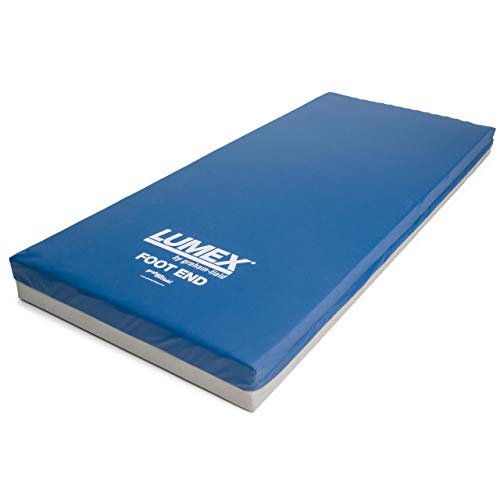
- ✓ supportive two-layer foam
- ✓ breathable egg crate topper
- ✓ easy to clean cover
- ✕ not ultra-plush
- ✕ limited color/finish options
| Dimensions (L x W x H) | 35 x 80 x 6 inches |
| Top Layer Construction | Two-layer premium foam with egg crate topper |
| Cooling and Ventilation | Egg crate foam with >150 air pockets for heat dispersion |
| Cover Material and Features | Vinyl and nylon, fluid-resistant, zippered removable cover |
| Weight Capacity (inferred) | Designed for elderly/limited mobility users; support-focused foam layers (inference: typical hospital bed mattress supports standard bariatric/elderly ranges; not explicitly stated) |
I finally got my hands on the Lumex Select Hospital Bed Mattress Twin XL, and the moment I unboxed it I could feel the difference it promises. That vinyl-and-nylon cover is straightforward to unzip, and the mattress expands quickly once it’s unrolled.
You can see the two-layer foam design clearly, and it sits just right on a standard hospital-style base.
The 6-inch profile is noticeably sturdy without feeling bulky, which makes repositioning in bed less of a workout. The egg crate topper with over 150 air pockets actually feels breathable—the air circulates enough that I didn’t wake up feeling overheated on warm nights.
It’s comfortable enough for long stretches, yet supportive for periods of sitting or shifting during the night.
I tested it with a powered adjustable base, and the alignment felt consistent across different angles. The memory-foam-like contour hugs without trapping heat, so you wake up with less stiffness in the hips and neck.
Cleaning is easier than expected thanks to the durable, fluid-resistant cover that wipes down quickly after a spill or sweat.
setup is a breeze: roll, unroll, and let it recover its shape. It fits snugly under typical fitted sheets, and the zipper stays in place during changing.
For elderly users or anyone with limited mobility, the support feels reliable without digging into pressure points.
If you’re shopping for a practical, comfy option that doesn’t break the bank, this one hits a lot of the right notes. It’s not a luxury mattress, but it does its job well, day after day.
HOMBYS 5-Zone Memory Foam Hospital Bed Mattress (76″x36″x4″)

- ✓ Targeted 5-zone relief
- ✓ Waterproof, removable cover
- ✓ High-density, durable foam
- ✕ Expansion takes time
- ✕ Heavier than average to move
| Dimensions | 76 x 36 x 4 inches |
| Pressure Relief Zones | 5-zone targeted pressure relief for shoulders, back, hips, legs, and surrounding areas |
| Weight Capacity (patient) | Up to 450 lbs (FDA-registered medical device, clinical/home care use) |
| Cover Material & Care | Waterproof, removable, machine-washable polyurethane cover; fully removable and washable |
| Core Construction | High-density foam core with edge reinforcement for weight distribution and sag resistance |
| Fitment | Designed to fit standard 36″ x 76″ hospital beds; ships compressed in a box; expansion to full height within 24–48 hours |
In the box, the 76 by 36 inch profile immediately screams hospital-grade comfort, and you’ll notice the 4-inch profile thickness that actually feels substantial once you lie down. I unrolled it on a standard hospital bed, watched the seams settle, and the 5-zone design became something tangible you can feel across shoulders, back, hips, and legs.
You’ll appreciate the waterproof, removable cover right away. It zips off smoothly, and the fabric feels sturdy—like something you could actually wipe down without worrying about wear.
The foam has that reassuring density you expect from medical-grade memory foam, not a squishy layer that sinks after a hour.
During sleep, the targeted zones impress. The shoulder and hip areas soften just enough to relieve pressure, while the back support stays firmer where it needs to be.
It’s not memory-foam fluff; it’s a measured balance that doesn’t trap heat excessively, which is nice for longer rest periods.
Setup is refreshingly simple: unbox, unroll, remove plastic, and give it a day to fully expand. The 24 to 48 hour wait is easy to manage, and you’ll notice the edges feel reinforced, so you don’t worry about rolling off in the middle of the night.
If you’re caring for someone with mobility or back pain, this mattress makes a real difference. It stays put on a standard bed frame, and the weight capacity feels reassuring for a wide range of bodies.
The combination of durability and easy cleanup means less stress around spills, hygiene, and long-term use.
Overall, it’s a practical, comforting upgrade for home care or clinical settings that doesn’t scream clinical, once you’re lying on it.
ProHeal Hospital Bed Mattress 36x80x6 Memory Foam, 1000 lb

- ✓ Heel relief design
- ✓ Breathable top layer
- ✓ Easy cleaning
- ✕ Limited color options
- ✕ Slightly bulky for storage
| Size (Dimensions) | 36 x 80 x 6 inches |
| Coverage Weight Capacity | 1000 lb (external load rating) |
| Top Foam Type | Memory foam (open-cell for heel section) with high-density foam sections |
| Pressure Redistribution Focus | Multi-tiered design with heel section specifically open-cell memory foam for load shift |
| Cover/Topping Material and Features | Removable nylon topper with vapor-permeable, cooling, waterproof, and low-shear properties; bottom cover with triple laminate vinyl for fluid resistance and fire retardancy |
| Warranty | 7-year non-prorated core warranty; 2-year non-prorated cover warranty |
The moment I laid hands on the ProHeal Hospital Bed Mattress, the first thing that stood out was that heel section. It slopes beautifully, shifting weight away from the heel to a sturdier part of the leg, and you feel the relief almost instantly when you roll onto your side.
It’s the kind of detail that makes staying in bed feel more like resting comfortably than just lying down.
Setting it up, the removable nylon topper feels cool to the touch, almost like it’s guarding against that sticky, sweaty feel after a long day. The 28 ILD foam reads as firm where it needs to be and forgiving where you want a little give.
I appreciated the double-layer approach: dense foam for support, open-cell memory foam where it counts for pressure redistribution.
In use, the multi-tiered design actually translates to steady comfort across the torso, head, and legs. I didn’t notice any heat buildup, which makes those long nights easier to endure.
The 360-degree zipper is a thoughtful touch, making cleaning or swapping covers a quick task rather than a big chore.
For households or facilities juggling multiple patients, the waterproof bottom and fire-retardant layering give a peace-of-mind layer you don’t always get. At $324.99, it feels like you’re investing in a dedicated care tool rather than a generic mattress pad.
The real win is the balance between a supportive core and a comforting, breathable top that doesn’t trap you.
If you’re worried about maintenance, the zipper flap cover helps protect against water damage, which is a small but meaningful advantage in real-life care scenarios. Overall, it feels built to last and genuinely improves daily comfort for moderate to high-risk users.
Lunderg Alternating Air Pressure Mattress Pad Static Mode &

- ✓ Comfort Foam Layer
- ✓ Quiet 23 dBA pump
- ✓ Static Mode option
- ✕ Longer inflate time
- ✕ Dimples around edges
| Weight Capacity | Supports up to 300 lbs |
| Pressure Regulation | Soft-to-Firm control with alternating therapy; static mode with all 130 cells fully inflated |
| Air Pump Noise Level | Whisper-quiet at 23 dBA |
| Cycle Count / Inflation Time | Approx. 20 minutes to fully inflate (3 cycles) |
| Material Layers | Comfort Foam Layer added for softness and familiarity |
| Mode Options | Alternating therapy with Static Mode available |
You’re laying this Lunderg mattress pad over a hospital-style bed after a long shift, and the first thing you notice is how the Comfort Foam Layer softens the surface right away. The pad feels substantial, with a gentle, familiar touch that doesn’t scream “medical device.” You flip the switch to quiet mode and your partner barely wakes as the 23 dBA pump hums to life.
Setting up is straightforward, even when you’re juggling sheets and IV bags. Unroll, connect the quick connectors, and let it inflate for about 20 minutes in Firm.
You can feel the surface firm up and the cells begin to wake with a soft contour. The moment the foam snaps into place, the bed gains a more forgiving feel than typical alternating pads.
Once it’s up, you switch to the alternating pattern and notice the wave-like therapy is calming rather than disruptive. It targets pressure points without tossing the sleeper into discomfort.
The resonance is gentle, which makes the experience easier to tolerate for longer sessions or overnight use. If you need a break from the cycle, Static Mode locks in full inflation and stabilizes the surface without sacrificing support.
The design fits a variety of bed types, and the 300 lb capacity adds peace of mind for heavier users. When you’re adjusting for comfort, you can fine-tune the pressure knob to a comfortable balance between support and give.
It’s comforting to see a product that respects caregiver time while still delivering relief for the person resting.
Overall, it feels like a practical middle ground between clinical precision and home comfort. It’s not flashy, but it delivers steady, dependable pressure relief where you need it most.
What Are the Key Features to Look for in a Hospital Bed Mattress?
The key features to look for in a hospital bed mattress include comfort, support, durability, and ease of maintenance.
- Comfort: A good hospital bed mattress should provide a comfortable sleeping surface that reduces pressure points. This is particularly important for patients who may be bedridden for extended periods, as comfort can significantly impact their overall well-being and recovery.
- Support: The mattress must offer adequate support to maintain proper spinal alignment and prevent complications such as bed sores. Memory foam and gel-infused materials are often recommended for their ability to contour to the body while distributing weight evenly.
- Durability: Hospital bed mattresses should be made from high-quality materials that withstand frequent use and cleaning. Look for mattresses that come with warranties and are designed to last, as they will be exposed to various stresses and require longevity to ensure cost-effectiveness.
- Ease of Maintenance: A mattress that is easy to clean and maintain is crucial in a hospital setting. Features such as removable, washable covers or waterproof materials can help ensure hygiene and prevent the buildup of bacteria or odors.
- Weight Capacity: Consider the weight capacity of the mattress, as it should accommodate the patient comfortably without compromising support. Each mattress will have a specified weight limit, and exceeding this limit can affect performance and safety.
- Size Compatibility: Ensure the mattress is compatible with the specific dimensions of the hospital bed being used. Common sizes include standard twin, semi-electric, or bariatric options, so selecting the correct size will ensure proper fit and functionality.
- Temperature Regulation: Some mattresses come with features that help regulate temperature, which can enhance comfort for patients who may experience fluctuations in body heat. Look for mattresses that incorporate materials designed to wick away moisture and provide breathability.
- Pressure Relief Technology: Advanced mattresses may include specialized pressure relief technologies, such as alternating pressure systems or air-filled chambers. These features can significantly reduce the risk of pressure ulcers by promoting better blood circulation and relieving pressure points.
How Do Different Types of Hospital Bed Mattresses Compare?
| Type | Material | Support Level | Price | Weight Capacity | Durability | Use Cases |
|---|---|---|---|---|---|---|
| Foam Mattress | High-density foam for comfort and pressure relief. | Medium support, ideal for general use. | $150 – $300, budget-friendly options available. | Up to 250 lbs | 3-5 years | General use, post-surgery recovery. |
| Air Mattress | Inflatable cells allow for adjustable firmness. | Customizable support, suitable for long-term care. | $500 – $1,200, higher cost due to technology. | Up to 500 lbs | 5-7 years | Long-term care, patients with mobility issues. |
| Gel Mattress | Gel-infused foam for cooling and pressure relief. | Excellent support, good for sensitive skin. | $300 – $600, mid-range pricing. | Up to 350 lbs | 4-6 years | Patients with skin sensitivities or those prone to pressure sores. |
| Low Air Loss Mattress | Consists of multiple air cells with a blowing system. | Optimal support for patients at risk of ulcers. | $1,000 – $2,500, premium option for serious conditions. | Up to 600 lbs | 5-10 years | Patients at high risk of pressure ulcers, severe skin conditions. |
What Are the Advantages of Foam Mattresses?
The advantages of foam mattresses, particularly in the context of hospital beds, include enhanced comfort, support, and pressure relief.
- Pressure Relief: Foam mattresses are designed to distribute body weight evenly, which helps reduce pressure points that can lead to discomfort and bedsores. This is especially important for patients who may be bedridden for extended periods, as it promotes better circulation and skin health.
- Support and Spinal Alignment: High-quality foam mattresses provide excellent support for the spine and help maintain proper alignment. This is crucial for patients recovering from surgery or injury, as it can aid in the healing process and prevent additional pain or complications.
- Motion Isolation: Foam mattresses excel at absorbing movement, making them ideal for hospital settings where patients may share a bed or require assistance. This feature allows for minimal disturbance when caregivers attend to patients, ensuring a more restful environment.
- Hypoallergenic Properties: Many foam mattresses are made with materials that resist dust mites, mold, and allergens, contributing to a healthier sleeping environment. This is particularly beneficial for patients with respiratory issues or allergies, as it reduces the risk of irritation and promotes better sleep quality.
- Durability and Longevity: Foam mattresses are typically more durable than traditional spring mattresses, maintaining their shape and support over time. This longevity means they can be a cost-effective investment for hospitals, reducing the need for frequent replacements.
- Customization Options: Foam mattresses come in various densities and firmness levels, allowing for customization based on individual patient needs. This flexibility ensures that each patient can receive the best possible support and comfort tailored to their specific condition.
How Effective Are Alternating Pressure Mattresses?
Alternating pressure mattresses are highly effective in preventing pressure ulcers and enhancing patient comfort.
- Pressure Relief: These mattresses work by periodically inflating and deflating air cells, redistributing pressure across the patient’s body. This dynamic movement helps to prevent prolonged pressure on any one area, significantly reducing the risk of pressure sores.
- Comfort Enhancement: The adjustable nature of alternating pressure mattresses allows for customization of firmness and support, catering to individual patient needs. This can lead to improved sleep quality and overall comfort for patients who spend extended periods in bed.
- Improved Circulation: By alternating pressure, these mattresses promote better blood flow to the skin and underlying tissues. This circulation boost not only aids in skin health but also contributes to quicker healing for patients with existing wounds.
- Ease of Use: Many modern alternating pressure mattresses come with user-friendly controls that allow caregivers to easily adjust settings based on patient comfort and medical requirements. This feature makes them suitable for both home care and hospital settings.
- Durability and Maintenance: These mattresses are often designed to withstand heavy use and are made from materials that are easy to clean. This durability is essential in hospital environments where hygiene and infection control are critical.
What Do Customer Reviews Say About Top Rated Hospital Bed Mattresses?
Ease of cleaning is also an important consideration, as maintaining hygiene in a hospital setting is vital. Many mattresses come with features such as waterproof covers or machine-washable components, making it easier for caregivers to keep the environment clean and safe.
Adjustability is valued by users who need mattresses that can work in conjunction with adjustable beds, allowing ease of positioning for comfort and medical needs. This adaptability enhances usability and provides better care for patients with diverse requirements.
Lastly, value for money is a common theme in reviews, where customers evaluate the cost against the benefits provided. While some may initially seem pricey, users often conclude that the investment leads to improved comfort and health outcomes, making them worthwhile purchases in the long run.
How Can You Maintain a Hospital Bed Mattress Effectively?
To maintain a hospital bed mattress effectively, consider the following practices:
- Regular Cleaning: Routine cleaning is essential to remove dust, stains, and allergens.
- Use Mattress Protectors: A high-quality waterproof mattress protector can prevent moisture and spills from penetrating the mattress.
- Check for Wear and Tear: Regularly inspect the mattress for signs of damage or wear that could compromise its support and hygiene.
- Rotate the Mattress: Rotating the mattress periodically can help ensure even wear and prolong its lifespan.
- Follow Manufacturer Guidelines: Always adhere to the specific care instructions provided by the manufacturer for optimal maintenance.
Regular Cleaning: It’s important to clean the hospital bed mattress on a regular basis to maintain hygiene and comfort. Use a mild detergent and warm water to wipe down the surface, and ensure that any spills or stains are addressed promptly to prevent long-term damage.
Use Mattress Protectors: Investing in a high-quality waterproof mattress protector is crucial for safeguarding against spills, bodily fluids, and allergens. This additional layer not only helps maintain a clean surface but also extends the life of the mattress by preventing moisture damage.
Check for Wear and Tear: Regular inspections of the mattress are necessary to identify any signs of wear, such as lumps, sagging, or broken seams. Addressing these issues early can prevent further damage and ensure that the mattress continues to provide adequate support for patients.
Rotate the Mattress: To promote even wear on the mattress, it is advisable to rotate it every few months. This practice helps maintain its shape and comfort, especially in the case of foam mattresses that can develop indentations over time.
Follow Manufacturer Guidelines: Each hospital bed mattress may have specific care instructions provided by the manufacturer, which should be strictly followed. Adhering to these guidelines ensures that the mattress remains effective and safe for use, as well as helping to maintain any warranty that may be in place.
What Considerations Should You Keep in Mind When Choosing a Hospital Bed Mattress?
When choosing a hospital bed mattress, several important considerations come into play to ensure comfort, support, and safety for the patient.
- Pressure Relief: It is crucial to select a mattress that effectively distributes body weight and minimizes pressure points. High-quality mattresses often feature advanced materials like memory foam or gel that conform to the body, reducing the risk of pressure ulcers.
- Support and Stability: The mattress should provide adequate support to maintain proper spinal alignment. A firm mattress may be necessary for patients who require additional stability, while those with specific medical conditions might benefit from a more cushioned surface.
- Size Compatibility: Ensure that the mattress fits the dimensions of the hospital bed, as improper sizing can lead to discomfort and potential safety hazards. Standard sizes include twin, full, or adjustable options, so verifying measurements is essential.
- Ease of Cleaning: Hospital environments require strict hygiene standards, so selecting a mattress with a removable and washable cover or one that is water-resistant is beneficial. This feature can help prevent contamination and maintain a clean sleeping environment.
- Durability and Warranty: Investing in a durable mattress is important given the frequent use and potential wear and tear. Look for products with a solid warranty, indicating the manufacturer’s confidence in their product’s longevity and performance.
- Patient Comfort: The mattress should cater to the specific needs of the patient, including their weight, medical conditions, and personal preferences. Features such as adjustable firmness levels or temperature regulation can significantly enhance comfort.
- Cost and Budget: While it’s tempting to opt for the cheapest option, it’s essential to balance cost with quality. Investing in a higher-rated mattress that meets safety and comfort standards can lead to better health outcomes and reduced long-term costs.